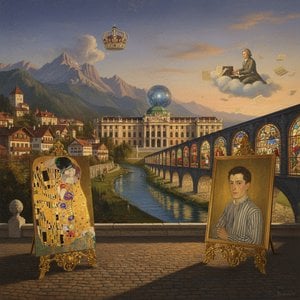
Friedensreich Hundertwasser: Uma Vida Dedicada à Harmonia e à Cor
- Nascimento: 15 de dezembro de 1928, Viena, Áustria
- Falecimento: 19 de fevereiro de 2000 (aos 71 anos), a bordo do RMS Queen Elizabeth 2, no mar
- Nome Completo: Friedrich Stowasser (pseudônimo adotado: Friedensreich Regentag Dunkelbunt Hundertwasser)
Friedensreich Hundertwasser, nascido como Friedrich Stowasser, foi um artista e arquiteto austríaco renomado por seus designs orgânicos e únicos que desafiaram as normas arquitetônicas convencionais. Seu próprio nome reflete sua filosofia – “Reino da Paz Cem-Águas”, personificando uma visão de harmonia com a natureza e uma rejeição às estruturas rígidas.
Primeiros Anos e Desenvolvimento Artístico
- Inícios Difíceis: A vida de Hundertwasser foi marcada por dificuldades, particularmente durante a era nazista. Ele e sua mãe judia escaparam por pouco da perseguição ao se passarem por cristãos. Essa experiência moldou profundamente sua visão de mundo e sua posterior expressão artística.
- Formação Artística e Rejeição à Convenção: Ele frequentou brevemente a Academia de Belas Artes em Viena, mas rapidamente rejeitou seu estilo acadêmico rígido. Essa rejeição impulsionou sua jornada artística independente, levando-o a desenvolver uma linguagem visual distinta, caracterizada por cores vibrantes, padrões sinuosos e uma aversão às linhas retas.
- Viagens e Influências: Extensas viagens pela Europa e África durante a década de 1950 expuseram Hundertwasser a diversas culturas e paisagens, influenciando sua arte e consolidando seu compromisso com as formas orgânicas e a beleza natural. Em Florença, conheceu René Brô, formando uma amizade vitalícia que impactou significativamente seu desenvolvimento artístico.
- O Motivo da Espiral: A espiral tornou-se um motivo central na obra de Hundert_wasser, simbolizando o crescimento, a harmonia e a natureza cíclica da vida – um contraste direto com a geometria rígida que ele desprezava.
Filosofia Arquitetônica e Projetos Notáveis
- Rejeição da "Arquitetura Curativa": Hundertwasser desenvolveu seu próprio conceito de arquitetura, o qual denominou “arquitetura curativa”. Ele acreditava que os edifícios deveriam estar em harmonia com a natureza, promovendo o bem-estar e a criatividade de seus habitantes.
- Hundertwasserhaus (Viena): Talvez sua criação mais famosa, a Hundertwasserhaus é um vibrante edifício residencial em Viena, caracterizado por seus andares ondulados, janelas irregulares e uma fachada colorida adornada com árvores e plantas. Ela exemplifica sua rejeição às linhas retas e ao design padronizado.
- Casa de Garrafas (Nova Zelândia): Localizada em Kawarau Falls, na Nova Zelândia, a Bottle House é uma residência única construída utilizando garrafas de vidro recicladas como material de construção. Este projeto demonstra o compromisso de Hundertwasser com a sustentabilidade e o uso inovador de recursos.
- Giardino Eden (Itália): Ele adquiriu e restaurou o Giardino Eden, incluindo o Palazzo Villa delle Rose, na Itália, demonstrando ainda mais sua paixão por preservar jardins históricos e integrar a arquitetura às paisagens naturais.
Ativismo Ambiental e Legado
- Defensor de Causas Ecológicas: Hundertwasser foi um apaixonado ativista ambiental que campaignou incansavelmente pela conscientização ecológica e práticas sustentáveis. Ele defendia o plantio de árvores, a criação de espaços verdes em áreas urbanas e a proteção dos recursos hídricos.
- "Direito à Janela": Um elemento chave de sua filosofia arquitetônica era o "direito à janela", que concedia aos moradores a liberdade de alterar suas janelas como bem entendessem, promovendo a individualidade e a criatividade dentro de um espaço de convivência compartilhado.
- Defesa da Monarquia Constitucional: Hundertwasser também expressou visões políticas fortes, defendendo uma monarquia constitucional na Áustria e criticando o que percebia como o desrespeito da União Europeia pelas peculiaridades regionais.
- Impacto Duradouro: O legado de Friedensreich Hundertwasser estende-se além de suas criações artísticas. Ele inspirou gerações de artistas, arquitetos e ambientalistas a abraçar a criatividade, desafiar as convenções e buscar uma relação mais harmoniosa entre a humanidade e a natureza. Sua obra continua a ressoar com o público mundial, lembrando-nos da importância da beleza, da individualidade e da responsabilidade ecológica.
Perguntas e Respostas
Como posso encontrar obras de Friedensreich Hundertwasser em uma paleta específica?
As obras de Friedensreich Hundertwasser podem ser exploradas por paleta de cores na página de Por Paletas do artista.
De onde é Friedensreich Hundertwasser?
Friedensreich Hundertwasser nasceu em Austria.
Onde as obras de Friedensreich Hundertwasser estão agrupadas por técnica?
A página Todos os Meios agrupa as obras de Friedensreich Hundertwasser por técnica.