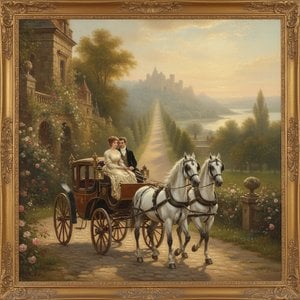
A Life Bridging Equine Grace and South American Identity
Carlos E. Colombino Frechou, born in Asunción, Paraguay on January 15, 1938, embodies a fascinating intersection of athletic prowess and cultural heritage. While perhaps best known for his participation as an equestrian athlete in the 1960 Summer Olympics – representing Uruguay in two demanding events – to define Colombino solely by this achievement would be to overlook a life deeply interwoven with the artistic and political currents of South America. His story is one of dedication, resilience, and a quiet embodiment of national pride within a continent undergoing significant transformation. He remains an active figure, continuing to live and contribute to the cultural landscape of his homeland.Early Life and Olympic Aspirations
Colombino’s early life was shaped by the vibrant yet often turbulent atmosphere of post-war Paraguay. Though details regarding his initial exposure to equestrianism are scarce, it is clear that he developed a profound connection with horses and the discipline of riding. The 1960 Rome Olympics marked a pivotal moment in his career, representing not only personal ambition but also Uruguay’s participation on the international stage. While specific results from his Olympic performances aren't widely documented, the very act of competing signified a commitment to excellence and a dedication to representing his nation. This period likely instilled within him a sense of discipline and focus that would resonate throughout his life, even as his path diverged into other areas of cultural expression.Beyond the Arena: A Parallel Artistic Journey
Interestingly, while Colombino is recognized for his Olympic participation, another Carlos Colombino – a Paraguayan visual artist born in 1937 – rose to prominence during the same era. This parallel existence highlights a common thread within South American identity: individuals often embody multiple passions and contribute to diverse fields of cultural expression. The artist Carlos Colombino (often referred to as Esteban Cabañas under a pseudonym) was a pivotal figure in Paraguayan art, fusing surrealist influences with sharp social and political critique during the authoritarian regime of Alfredo Stroessner. He worked across various mediums – painting, engraving, literature – using his art as a powerful tool for resistance and commentary. While it remains unclear whether the equestrian Carlos E. Colombino Frechou directly collaborated with or was influenced by this artistic counterpart, their shared nationality and temporal proximity suggest a potential awareness of each other’s work within the broader cultural context of Paraguay.Legacy and Historical Significance
The significance of Carlos E. Colombino Frechou lies not merely in his athletic achievements but in his representation of Uruguay during a period of global change. His participation in the Olympics, though perhaps understated in historical accounts, contributed to the nation’s visibility on the world stage. Furthermore, his continued presence and active life serve as a testament to the enduring spirit of South American identity – a blend of dedication, resilience, and cultural pride. While detailed information about his post-Olympic career remains limited, it is evident that he has lived a full and engaged life, embodying the values of discipline, commitment, and national representation. His story serves as a reminder that individuals can contribute to their communities in diverse ways, leaving lasting legacies through both athletic pursuits and quiet dedication to cultural heritage.Further Exploration
- Olympedia: Provides basic biographical information regarding his Olympic participation: https://en.wikipedia.org/wiki/Carlos_Colombino
- WahooArt.com: Offers a glimpse into the broader artistic landscape of Carlos Colombino Frechou and related artists: https://WahooArt.com/@/Carlos-E-Colombino-Frechou?srsltid=AfmBOorc290-6eF6J7gc8gffzNeDcr9mR19GvMbXBBC7Avv1RGnlvk3Y
- Grokipedia: Details the life and work of Paraguayan artist Carlos Colombino (Esteban Cabañas): https://grokipedia.com/page/carlos_colombino
Perguntas e Respostas
Quantas obras de Carlos E. Colombino Frechou estão disponíveis para visualização?
Você pode explorar 2 obras de arte obras de Carlos E. Colombino Frechou na página Todas as Obras de Arte.
Qual é o local e o ano de nascimento de Carlos E. Colombino Frechou?
Carlos E. Colombino Frechou nasceu em Asuncion, em 1938.
Onde as obras de Carlos E. Colombino Frechou estão agrupadas por movimento artístico?
Os movimentos em que Carlos E. Colombino Frechou trabalhou podem ser vistos na página de Todos os Movimentos do artista, que agrupa as obras por movimento.