Visualizar em escala Visualizar em RA Encomendar reprodução pintada à mão Ver Imagem Digital Enviar
Ver detalhes Adicionar aos favoritos Baixar imagem Semelhantes Raio X Apresentação de slides Estatísticas

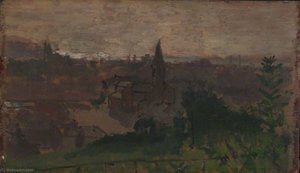
The Miner

Experience Walter Richard Sickert’s ‘The Miner,’ a raw & emotive oil painting capturing intense intimacy. Explore this Symbolist work's textured impasto and shallow perspective – a captivating glimpse into early 20th-century London.

Walter Richard Sickert (1860-1942) foi um pintor britânico influenciado por Whistler e Degas, conhecido por cenas realistas de Londres, music halls e interiores, sendo uma figura central do movimento vanguardista da arte inglesa.

Giclée / Impressão de Arte

Impressão giclée ou em tela de qualidade de museu, com produção rápida e opções flexíveis de acabamento. ( Encomendar reprodução pintada à mão Ver Imagem Digital)

P118B $10
P118H $10
P118W $10
P438Z $10
P508JH $12
P508YH $12
P805H $10
P805Z $10
P919BZ $10
P919G $10
P919XJ $10
P959ZH $10
P968JZ $12
W106C $8
W218G $10
W218JH $8
W218Y $10
W307PJ $10
W316G $10
W316PJ $8
W316Y $10
W398PJ $8
W4111J $10
W500HY $15
W500JH $15
W692G $12
W849H $8
W940BG $15
W953PJ $8

Padrão
sob medida
CM
INCH

Escolha entre os nossos tamanhos pré-definidos que respeitam as proporções originais da obra de arte.

largura
altura

Você pode inserir suas próprias dimensões para se ajustar a uma moldura ou espaço específico. Se o tamanho selecionado não corresponder às proporções da imagem original, iremos recortar a obra de arte ou estender a imagem com uma borda espelhada ou preenchimento sólido. Um mockup digital será enviado para sua aprovação antes do início da produção.
Por favor, observe que a visualização na tela não reflete o recorte ou a extensão real. Apenas o mockup mostrará com precisão a composição final.
Embora tamanhos personalizados estejam disponíveis, recomendamos selecionar uma dimensão da lista predefinida para preservar as proporções originais.

Entrega mundial () em 2 semanas, em vez das 4/5 semanas padrão. (16 Setembro)

why_choose_icon
Envio expresso gratuito para todo o mundo
why_choose_icon
Tela de Linho Premium
why_choose_icon
Seguro de transporte total
why_choose_icon
Garantia de Reembolso de Impostos Alfandegários
why_choose_icon
Garantia de Fidelidade de Cor
why_choose_icon
Política de Devolução em 100 Dias (Apenas para Defeitos)
why_choose_icon
Garantia de reembolso de 100%
why_choose_icon
Desconto para múltiplas unidades

Preço Total

$ 68

reproduction

The Miner

Giclée / Impressão de Arte

Dimensões da Reprodução

-

Preço Total

$ 68

Detalhes Rápidos

  • Artist: Walter Richard Sickert
  • Movement: Symbolism
  • Location: Birmingham Museums Trust
  • Artistic style: Romanticism/Symbolism
  • Subject or theme: Mining, intimacy, labor
  • Year: 1935-36
  • Title: The Miner

Teste de Conhecimentos Artísticos

Cada pergunta possui apenas uma resposta correta.

Questão 1:
What artistic movement is most closely associated with Walter Richard Sickert’s ‘The Miner’?
Questão 2:
What is a prominent technique used in 'The Miner' that contributes to its emotional intensity?
Questão 3:
According to the provided text, what is a key theme explored in ‘The Miner’?
Questão 4:
In what year was ‘The Miner’ painted?
Questão 5:
What does the shallow perspective in ‘The Miner’ primarily achieve?

A Glimpse into the Heart of Labor: Walter Richard Sickert’s “The Miner”

Walter Richard Sickert's "The Miner," painted in 1935-36, isn’t merely a depiction of a working man; it’s an intimate excavation of human experience. This oil painting, currently residing within the Birmingham Museums Trust collection, offers a profoundly unsettling and ultimately poignant meditation on isolation, hardship, and the enduring search for connection. Sickert, a figure perpetually navigating the boundaries between artistic tradition and modernism – born in Munich but firmly rooted in London’s vibrant art scene – masterfully captures the psychological weight of a life spent toiling beneath the earth.

The composition immediately draws the viewer into a claustrophobic space. Two figures, rendered with a deliberate lack of idealization, are locked in an intense embrace. The man, his face partially obscured by a dark cap and the rough texture of his clothing, leans forward with a palpable urgency. His body is taut, suggesting both vulnerability and a desperate need for solace. The woman, her hair cascading down her back, offers a yielding presence – not necessarily one of passive acceptance, but rather a quiet resilience in the face of an unforgiving world. Sickert’s brushwork is remarkably tactile; thick impasto layers create a sense of physicality, almost as if you could reach out and feel the grit of the mine dust clinging to their skin.

The Shadowy World of Camden Town: Context and Style

To understand “The Miner,” it’s crucial to situate it within Sickert's broader artistic practice. He was a key figure in the Camden Town Group, a collective of artists who rejected the academic traditions of the Royal Academy and embraced a more gritty, urban realism. This group, centered around the bohemian district of Camden Town in London, sought to depict the lives of ordinary people – particularly those on the fringes of society – with unflinching honesty. Sickert’s work often explored themes of sexuality, poverty, and the darker aspects of human nature, frequently drawing inspiration from music halls, pubs, and the city's underbelly.

The painting’s style aligns closely with Symbolism and early Modernism. Sickert deliberately eschewed photographic realism, prioritizing emotional impact over precise representation. The muted color palette – dominated by browns, grays, and blacks – reinforces the somber mood of the scene. Notice how he uses light to sculpt form, creating a dramatic chiaroscuro effect that emphasizes the figures’ faces and bodies while plunging the background into darkness. This technique not only adds depth but also contributes to the painting's overall sense of mystery and unease.

Decoding the Symbolism: More Than Just a Miner

“The Miner” is rich in symbolic meaning, extending far beyond its literal subject matter. The mine itself represents a metaphorical descent into darkness – both physical and psychological. It’s a place of isolation, hardship, and relentless labor, mirroring the protagonist's emotional state following his personal loss. The embrace between the figures can be interpreted as an attempt to bridge this gap, offering a fleeting moment of connection amidst the overwhelming sense of despair. The woman’s partially obscured face suggests a vulnerability that contrasts with the man’s apparent strength, hinting at a complex power dynamic.

Furthermore, Sickert's choice of subject – a working-class couple – was deliberately provocative for its time. He wasn’t interested in romanticizing labor; instead, he presented it as a brutal reality, stripped of any sentimental gloss. The painting subtly challenges societal norms and exposes the human cost of industrialization. The flower glimpsed in the background, visible only briefly, could symbolize hope or beauty amidst the darkness – a reminder that even in the most difficult circumstances, moments of grace can still be found.

A Timeless Exploration of Human Connection

“The Miner” is not simply a portrait; it’s a profound exploration of human connection, isolation, and the enduring search for meaning. Sickert's masterful use of light, color, and brushwork creates an intensely emotional experience, inviting viewers to contemplate the complexities of the human condition. It remains a powerful testament to his unique artistic vision and a haunting reminder of the lives lived in the shadows of modern society. Reproductions capture much of this evocative power, offering a window into a world both familiar and profoundly unsettling.


Biografia do Artista

A Life Painted in Shadows and Light

Walter Richard Sickert, born in Munich in 1860, was a figure perpetually caught between worlds – German by birth, British by adoption, and an artist forever oscillating between the established traditions of painting and the burgeoning currents of modernism. His early life was marked by movement; the family’s relocation to England in 1868, prompted by political shifts in Europe, instilled within him a sense of displacement that perhaps fueled his lifelong fascination with outsiders and marginalized figures. Though descended from a lineage of artists – his father, Oswald Sickert, was a Danish painter – young Walter initially harbored ambitions for the stage, briefly treading the boards as an actor alongside the renowned Sir Henry Irving. This early exposure to performance, to the art of illusion and character, would profoundly shape his artistic vision, imbuing his paintings with a theatricality and psychological depth that set him apart from his contemporaries. However, the allure of visual expression proved stronger, leading him to enroll at the Slade School in 1881 and subsequently become a devoted pupil of James Abbott McNeill Whistler. This mentorship was formative, instilling in Sickert a preference for tonal studies painted *alla prima*, directly from nature, and a refined aesthetic sensibility that would underpin his early work. The influence of Whistler wasn’t merely technical; it fostered an appreciation for artistic independence and a willingness to challenge conventional norms.

London's Underbelly and the Allure of Modern Life

Sickert’s artistic compass quickly gravitated towards the vibrant, often gritty realities of London life. He became captivated by the atmosphere of the city’s music halls – spaces teeming with energy, spectacle, and a diverse cross-section of society. His paintings from this period, such as Katie Lawrence at Gatti's, are remarkable for their unflinching portrayal of these environments and their inhabitants. These weren’t simply depictions; they were explorations of modern urban existence, capturing the fleeting moments and raw emotions experienced within those walls. He sought to paint life as it was lived, not as it was idealized, a radical departure from Victorian artistic conventions. The figures in his paintings—often women performers, street vendors, or casual observers—were rendered with a keen eye for detail and an understanding of their social context. Critics of the time often dismissed these scenes as vulgar and unsettling, but Sickert’s work offered a starkly honest portrayal of London's underbelly – a world largely ignored by mainstream art. His fascination with this milieu continued throughout his career, informing many of his most iconic works.

The Influence of Whistler and the Pursuit of Tone

James Abbott McNeill Whistler profoundly shaped Sickert’s artistic approach. The American painter championed *tonality*—the use of color and light to create mood and atmosphere—over detailed representation. This philosophy resonated deeply with Sickert, who developed a distinctive style characterized by subtle gradations of tone and a deliberate avoidance of sharp outlines. He favored *alla prima* painting—working directly onto the canvas without preliminary sketches—to capture the fleeting effects of light and shadow. Whistler’s emphasis on “art for art's sake” encouraged Sickert to prioritize aesthetic expression over narrative or moralistic themes, a principle that would become central to his artistic practice. This commitment to tonal harmony and atmospheric effect is evident in many of his early works, particularly those depicting landscapes and interiors.

The Camden Town Group and the Embrace of Modernism

As the 20th century dawned, Sickert became a central figure in the burgeoning British avant-garde movement. He joined the New English Art Club in 1888, aligning himself with artists who embraced French Impressionist principles. Later, he played a pivotal role in establishing the Camden Town Group in 1911 – a collective of artists dedicated to portraying modern life with unflinching honesty and stylistic innovation. Sickert’s influence on this group was profound, encouraging them to break away from traditional academic constraints and explore new forms of expression. He championed an unromanticized vision of the urban landscape, focusing on everyday scenes and ordinary people. His paintings during this period often featured unsettling subject matter, such as his Camden Town Murder series, reflecting a growing fascination with crime and psychological tension. This willingness to confront difficult themes cemented his reputation as a provocative and challenging artist.

Legacy and Lingering Mysteries

Walter Richard Sickert’s legacy extends far beyond his prolific output. He was a catalyst for change in British art, paving the way for subsequent generations of artists to embrace modernism and explore new avenues of expression. His influence can be seen in the work of numerous painters who followed, particularly those associated with the London Group and other avant-garde movements. Sickert’s pioneering spirit, his commitment to realism, and his willingness to challenge societal norms continue to resonate with artists today. While controversies surrounding his life – including speculation about his potential involvement in the Jack the Ripper murders – have added layers of intrigue to his story, they do not diminish his artistic achievements. These theories, though largely dismissed by scholars, speak to the unsettling quality of his work and its preoccupation with themes of violence and urban decay. His paintings remain powerful testaments to a changing world, offering glimpses into the lives and experiences of those often overlooked by traditional art history. He was an artist who dared to look beyond the surface, to confront the uncomfortable truths of modern life, and to capture them on canvas with unflinching honesty.

Key Details & Influences

  • Born: May 31, 1860, Munich, Bavaria
  • Died: January 22, 1942, Bathampton, England
  • Key Influences: James Abbott McNeill Whistler, Edgar Degas
  • Associated Groups: New English Art Club, Camden Town Group
Sickert’s work can be found in major museums worldwide, ensuring that his vision continues to inspire and provoke audiences for years to come. He remains a pivotal figure in the history of British art, an artist who dared to challenge conventions and to paint the world as he saw it – in all its beauty, ugliness, and complexity.

Walter Richard Sickert

Walter Richard Sickert

1860 - 1942 , Alemanha

Informações Rápidas

  • Artistic Movement Or Style: Pós-Impressionismo
  • Artists Or Movements Influenced By This Artist: ['Camden Town Group']
  • Artists Who Influenced This Artist:
    • Whistler
    • Degas
  • Date Of Birth: 31 de maio de 1860
  • Date Of Death: 22 de janeiro de 1942
  • Full Name: Walter Richard Sickert
  • Nationality: Britânico
  • Notable Artworks:
    • Katie Lawrence
    • Sinn Féiners
    • L'Hotel Royal
  • Place Of Birth: Munique, Alemanha