Biografia do Artista
A Life Forged in Geometry: The World of Victor Vasarely
Victor Vasarely (Pécs, 9 de abril de 1906 — Paris, 15 de março de 1997) foi um pintor e artista gráfico húngaro-francês, cuja jornada para se tornar um pioneiro do Op Art e da arte cinética não foi predeterminada. Sua vida inicial prenunciava um caminho distante da tela; inicialmente, estudou medicina na Universidade Eötvös Loránd em Budapeste. No entanto, o fascínio pela expressão visual provou ser mais forte, levando-o a abandonar a medicina para o mundo da pintura em 1927, matriculando-se na Academia Podolini-Volkmann. Essa decisão marcou não apenas uma mudança de vocação, mas o início de uma exploração contínua dos princípios fundamentais que governam a percepção e a forma. Um momento crucial foi sua inscrição no workshop de Sándor Bortnyik – Műhely, uma escola profundamente influenciada pelo movimento Bauhaus. Ali, Vasarely absorveu os preceitos do design funcional e da abstração geométrica, sementes que floresceriam em seu estilo característico. Esses anos formativos não foram apenas sobre adquirir técnica; eram sobre desmontar as convenções artísticas tradicionais e abraçar uma nova linguagem visual enraizada na lógica e na precisão.
Early Abstraction and the Dawn of Op Art
As décadas de 1920 e 1930 testemunharam a gradual partida de Vasarely da arte representacional, mergulhando mais profundamente no reino da abstração geométrica. Obras como “Estudo Azul” e “Estudo Verde”, criadas em 1929, exemplificam essa transição – uma renúncia deliberada do conteúdo narrativo em favor da forma pura e das relações de cores. Influenciado por mestres como Piet Mondrian e Kazimir Malevich, Vasarely não se contentava em simplesmente imitar seus estilos. Ele buscava transcender as composições estáticas de seus predecessores, visando uma dinâmica que engajaria ativamente a percepção do espectador. Essa busca o levou a Paris em 1930, onde se estabeleceu como designer gráfico e artista publicitário, aprimorando suas habilidades enquanto continuava a desenvolver sua visão artística única. Foi durante este período que começou a experimentar técnicas que mais tarde se tornariam marcas registradas do Op Art – manipulando formas e cores para criar ilusões de movimento e profundidade. As sementes foram plantadas para uma revolução na experiência visual.
The Systematic Illusion: Defining a Movement
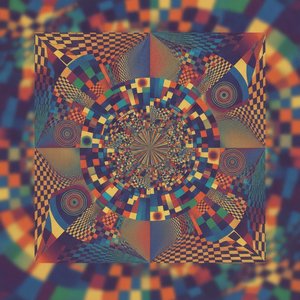
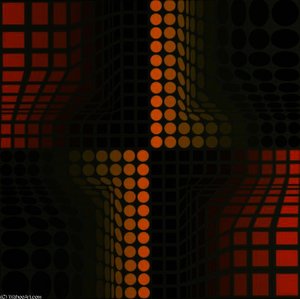
Na década de 1960, Victor Vasarely emergiu plenamente como uma figura proeminente no emergente movimento Op Art. Ao contrário de muitos artistas que se baseavam na intuição e na expressão espontânea, Vasarely abordava seu trabalho com uma metodologia distinta. Ele empregava grades e princípios matemáticos para gerar padrões que criavam poderosas ilusões ópticas – vibrações visuais, efeitos giratórios e sensações de profundidade onde não existiam fisicamente. Não se tratava de truque; era sobre revelar a dinâmica inerente à percepção em si. Ele acreditava na reprodutibilidade e no apelo popular, buscando democratizar a arte tornando-a acessível além dos limites das galerias e museus. Sua obra desafiou os espectadores a questionar sua própria experiência visual, forçando-os a participar ativamente da criação de significado. Essa interação deliberada com a percepção o diferenciava e consolidava seu lugar na vanguarda desse movimento. Ele não estava simplesmente pintando imagens; ele estava construindo experiências.
Historical Significance
A contribuição de Vasarely à história da arte é multifacetada. Ele se moveu além das técnicas tradicionais de pintura para criar obras que engajam ativamente a percepção do espectador. Sua abordagem sistemática desafiou as noções convencionais de criatividade artística e abriu o caminho para a arte gerada por computador e o design digital. Ao abraçar a reprodutibilidade e as aplicações comerciais, Vasarely borrou os limites entre a arte fina e a cultura popular, deixando uma marca duradoura tanto em ambos os campos. Ele não estava simplesmente criando objetos esteticamente agradáveis; ele estava conduzindo experimentos visuais que revelaram verdades fundamentais sobre como vemos o mundo. Sua obra continua a ressoar hoje, lembrando-nos do poder da abstração, da beleza da geometria e das infinitas possibilidades da criatividade humana.
Key Achievements and Legacy
A carreira de Vasarely foi marcada por inúmeras conquistas e um legado duradouro. Ele recebeu o Prêmio Guggenheim em Nova York em 1964 e o Prêmio de Melhor Exposição na Bienal de São Paulo em 1970. Sua obra influenciou profundamente a área do design gráfico, da moda, do design de interiores e até mesmo dos primeiros gráficos digitais. A Fundação Vasarely, estabelecida em Aix-en-Provence, garante a preservação e promoção de sua extensa obra, enquanto um evento notável – a inclusão de serigrafias a bordo da nave espacial soviético-francesa Salyut 7 em 1982 – simbolizou o reconhecimento global de sua arte e sua conexão com o empreendimento humano mais amplo de exploração.



 Visualizar em escala
 Encomendar reprodução pintada à mão
 Enviar
 Compartilhar
 Ver detalhes
 Guia de Obras do Aluno

 Baixar imagem
 Semelhantes
 Raio X
 Apresentação de slides
 Estatísticas

 Ver mais






































 A opção de vidro está disponível apenas para tamanhos inferiores a 110 cm