A Life Etched in Ink and Wood: The World of Tsukioka Yoshitoshi
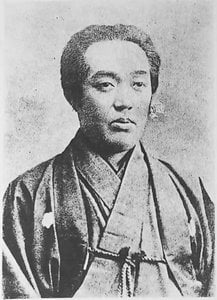
Tsukioka Yoshitoshi, born Owariya Yonejiro in 1839 amidst the bustling streets of Edo (modern Tokyo), stands as a monumental figure in the history of Japanese art. He is widely celebrated as the last great master of *ukiyo-e*, the “pictures of the floating world,” yet to define him solely by this title feels insufficient. Yoshitoshi wasn’t merely a preserver of tradition; he was an innovator, a visual storyteller who fearlessly captured the tumultuous spirit of a Japan undergoing radical transformation. His life unfolded against a backdrop of societal upheaval – the waning years of the Tokugawa shogunate, the Meiji Restoration, and the rapid influx of Western ideas – all profoundly shaping his artistic vision. From humble beginnings as the son of a merchant elevated to samurai status, Yoshitoshi’s path led him into an apprenticeship with Utagawa Kuniyoshi, a master whose influence would be indelible. This formative period instilled in him not only technical skill but also a deep appreciation for narrative and dynamic composition.
From Apprenticeship to Artistic Independence
Yoshitoshi's early years were steeped in the rigorous discipline of *ukiyo-e* training under Kuniyoshi. He absorbed his master’s techniques, honing his draftsmanship and learning to translate stories into compelling visual form. However, Yoshitoshi quickly began to forge his own path. While initially working within established conventions, he soon demonstrated a willingness to push boundaries, particularly in his depictions of violence and death. These weren't gratuitous displays but rather reflections of the era’s unrest and personal tragedies – the loss of both his father and Kuniyoshi deeply impacted his artistic direction. The mid-1860s saw Yoshitoshi gaining recognition for what became known as his “bloody prints,” a series characterized by graphic imagery and dramatic intensity. Series like *Eimei nijûhasshûku* (Twenty-Eight Famous Murders with Verse) shocked and captivated audiences, showcasing scenes of brutal killings rendered with startling realism. This willingness to confront dark themes set him apart from many of his contemporaries. He experimented with different series and subjects, including the popular *Tsūzoku saiyūki* (“A Modern Journey to the West”) and *Wakan hyaku monogatari* (“One Hundred Stories of China and Japan”), demonstrating a versatility that further cemented his reputation.
Innovation in a Changing World
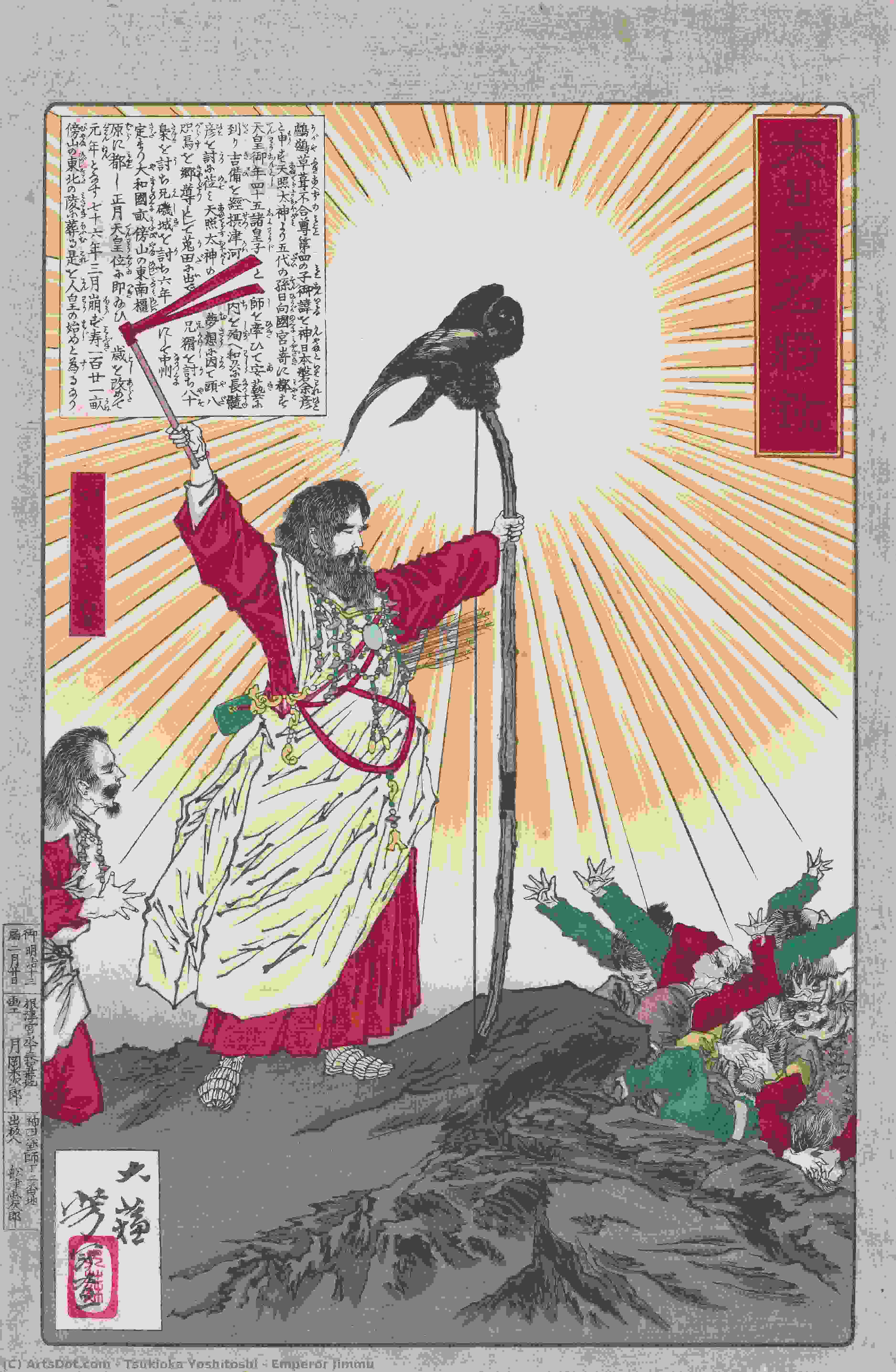
Yoshitoshi’s genius lay not only in his subject matter but also in his artistic technique. He masterfully blended traditional Japanese aesthetics with Western influences, incorporating elements of perspective and composition gleaned from imported prints and engravings. This fusion created a unique visual language that was both distinctly Japanese and strikingly modern. As Japan embraced modernization, new technologies like photography and lithography threatened the very existence of *ukiyo-e*. Yoshitoshi recognized this challenge and responded by elevating his craft to unprecedented levels of artistry. He experimented with color palettes, refined his carving techniques, and pushed the boundaries of narrative storytelling within the woodblock medium. His series *Musha Burui* (Warrior Prints) exemplifies this dedication – each print a dynamic explosion of action and emotion, showcasing his skill in portraying heroic figures and dramatic battles. He understood that to survive, *ukiyo-e* had to evolve, and he dedicated himself to ensuring its continued relevance.
Legacy and Enduring Influence
Yoshitoshi’s life was a struggle against time, a valiant effort to safeguard a cherished artistic tradition in the face of overwhelming change. He succeeded not only in preserving *ukiyo-e* but also in transforming it, leaving behind a body of work that continues to captivate and inspire. Despite facing immense challenges – financial hardship, personal struggles, and the decline of traditional art forms – Yoshitoshi remained steadfast in his commitment to *ukiyo-e*. He worked tirelessly until his death in 1892, leaving behind a vast body of work that continues to be studied and admired by collectors and scholars worldwide. His prints are more than just beautiful objects; they are windows into a bygone era, powerful expressions of human emotion, and enduring symbols of artistic excellence.
A Final Flourish: Yoshitoshi’s Lasting Impact
- Preservation of Tradition: In a rapidly modernizing Japan, Yoshitoshi championed traditional woodblock printing techniques.
- Artistic Innovation: He seamlessly blended Japanese aesthetics with Western influences, creating a unique and dynamic style.
- Narrative Power: His prints are renowned for their compelling storytelling and dramatic intensity.
- Historical Documentation: Yoshitoshi’s work provides valuable insights into the social, political, and cultural landscape of 19th-century Japan.
- A testament to his enduring legacy is the continued appreciation for his artistry by collectors and art enthusiasts worldwide.



 Visualizar na parede
 Comprar impressão
 Compartilhar
 Compartilhar
 Detalhes

 Baixar imagem
 Semelhantes
 Raio X
 Slideshow
 Ler mais






































 A opção de vidro está disponível apenas para tamanhos inferiores a 110 cm