Biografia do Artista
Um Eco Renascentista no Novo Mundo
Titian Ramsay Peale II ocupa um nicho fascinante, frequentemente negligenciado, na paisagem da arte americana do século XIX. Nascido na Filadélfia em 1799, ele foi imerso numa linhagem artística como o filho mais novo de Charles Willson Peale, uma figura central na pintura de retratos no início da América e fundador do primeiro museu da nação. Embora o legado de seu pai pairasse grande, Titian forjou seu próprio caminho, profundamente enraizado nos ideais estéticos do Alto Renascimento, particularmente aqueles emanados de Veneza. Ele não estava meramente replicando estilos; ele canalizava uma sensibilidade artística profunda, imbuindo suas telas com detalhes meticulosos e uma paleta vibrante que o diferenciava de muitos de seus contemporâneos. Sua vida se desenrolou em um cenário de identidade americana crescente, mas seu coração artístico permaneceu ligado aos mestres clássicos, criando uma tensão cativante entre a reverência ao Velho Mundo e a expressão do Novo Mundo.
Do Caderno de Estudos do Naturalista à Tela do Pintor
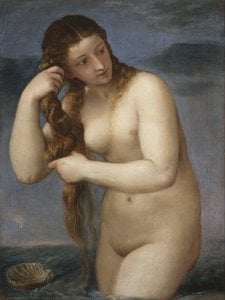
Os primeiros anos de Peale foram marcados por uma dupla fascinação pela arte e história natural – uma combinação fomentada pelas múltiplas atividades de seu pai. Ele acompanhou expedições, notavelmente a jornada de Stephen Harriman Long para as Montanhas Rochosas em 1819-20, documentando a flora e fauna com um olhar artístico cada vez mais refinado. Este período não se tratava apenas de registrar observações; era sobre *compreender* forma, luz e textura – habilidades que provariam ser inestimáveis quando ele voltou sua atenção total para a pintura. Seu trabalho como naturalista informou sua arte, emprestando uma precisão científica às suas representações do mundo natural, mas também imbuindo-as de uma ressonância emocional que transcendia a mera documentação. Ele não estava apenas mostrando como as coisas eram; ele estava revelando sua beleza inerente e significado espiritual. Essa dedicação a ambas as disciplinas é evidente em peças como “O Tributo”, uma renderização dramática que mostra um domínio magistral da luz e sombra reminiscente de Rubens, e "Ninfa e Pastor", misturando natureza, mitologia e beleza sensual.
Influências Venezianas e Visões Sagradas
A influência do colorismo veneziano – a ênfase em cores ricas e luminosas e efeitos atmosféricos defendidos por artistas como Ticiano (de quem ele tirou seu primeiro nome) – é inegável na obra de Peale. Ele não estava simplesmente copiando esses mestres; ele estava internalizando seus princípios e adaptando-os à sua própria visão artística. Isso é particularmente evidente em suas obras religiosas, como “Santuário do Altar com Quatro Santos” e "Adoração dos Pastores". Essas pinturas não são meras representações de cenas bíblicas; elas são experiências imersivas, atraindo o espectador para um mundo de contemplação espiritual por meio de composições cuidadosamente orquestradas e um uso magistral da cor para evocar emoção. A atenção meticulosa aos detalhes nessas obras fala não apenas de sua habilidade técnica, mas também de uma profunda reverência pelo seu assunto. “A Beleza”, um retrato impressionante, demonstra ainda mais sua capacidade de capturar a forma humana e o caráter com elegância e refinamento.
Redescoberta e Significado Duradouro
Por grande parte do século XX, Titian Ramsay Peale II permaneceu amplamente obscurecido nas narrativas da história da arte. Seu trabalho não se encaixava perfeitamente nas tendências predominantes, e sua dedicação a um estilo clássico parecia anacrônico em uma paisagem artística em rápida mudança. No entanto, os anos recentes testemunharam uma crescente reavaliação de suas contribuições. Estudiosos e colecionadores estão reconhecendo a mistura única de sensibilidades americanas e tradições europeias que caracteriza suas pinturas. A redescoberta de seu trabalho não se trata apenas de preencher lacunas na história da arte; é sobre obter uma compreensão mais profunda das forças culturais complexas que moldaram a América do século XIX. Peale representa uma ponte entre mundos, um testemunho do poder duradouro dos ideais clássicos e um lembrete de que a inovação artística muitas vezes surge de combinações inesperadas de influências. Suas pinturas, agora encontradas em coleções como as da WahooArt, Galeria Uffizi e Palazzo Pitti, oferecem um vislumbre cativante de um canto esquecido da história da arte americana – um canto iluminado pelo brilho radiante do Renascimento. A dedicação de Peale à precisão científica combinada com uma sensibilidade artística profundamente enraizada no ideal clássico o torna uma figura singular na história da arte americana.



 Visualizar em escala
 Encomendar reprodução pintada à mão
 Enviar
 Compartilhar
 Ver detalhes
 Guia
Guia

 Baixar imagem
 Semelhantes
 Raio X
 Apresentação de slides
 Estatísticas


 Ver mais






































 A opção de vidro está disponível apenas para tamanhos inferiores a 110 cm