Impressão giclée ou em tela de qualidade de museu, com produção rápida e opções flexíveis de acabamento. ( Comprar pintura feita à mão Alternar para Imagem Digital)





























Escolha entre os nossos tamanhos pré-definidos que respeitam as proporções originais da obra de arte.

Insira a largura e a altura desejadas para se ajustarem à sua moldura ou parede. Uma impressão pode ser apenas cortada, nunca ampliada além da imagem original; portanto, um tamanho com proporções diferentes resultará na perda de parte da imagem. Enviamos uma maquete digital para sua aprovação antes de realizarmos a impressão. A imagem exibida nesta página não mostra o corte real — apenas a maquete o faz.
Entrega mundial () em 2 semanas, em vez das 4/5 semanas padrão. (10 Novembro)
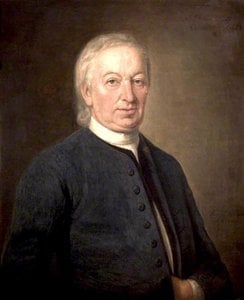
Captain Peter Marriette, Ship's Captain
Tamanho da Reprodução
In the quiet dignity of Tilly Kettle’s 1769 masterpiece, Captain Peter Marriette, Ship's Captain, we encounter more than just a likeness; we step into the very heart of Enlightenment-era Britain. This striking oil painting serves as a profound window into an age defined by maritime expansion and the burgeoning influence of the East India Company. Through Kettle’s masterful hand, the subject is not merely recorded but elevated, embodying the steadfastness and social ambition that characterized the era. As the viewer engages with the portrait, there is an immediate sense of meeting a man of consequence—a figure whose very presence commands respect through a composed, thoughtful stillness.
The composition is a triumph of Neoclassical restraint. Eschewing the flamboyant distractions of the preceding Rococo period, Kettle employs a focused, one-point perspective that directs all attention toward Marriette’s countenance. Seated in profile against a muted, unobtrusive backdrop, the Captain becomes the singular protagonist of his own story. The artist utilizes the vertical space of the canvas to emphasize the subject's stature, ensuring that the viewer's gaze is drawn upward to the subtle nuances of his expression. It is a deliberate arrangement designed to foster a sense of solemn contemplation, inviting us to wonder about the many voyages and heavy responsibilities etched into the lines of his face.
Technically, the painting is a testament to the precision of 18th-century oil portraiture. Kettle’s brushwork is remarkably smooth, creating a polished surface that allows light to dance across the textures of the subject's attire. There is a palpable sense of volume in the rendering of Marriette’s clothing; the heavy fabric of his coat feels substantial, almost tactile, thanks to the meticulous application of shadow and highlight. This realism extends to the delicate textures of his hair and the fine details of his skin, where the artist captures the grace of aging with profound sensitivity.
The color palette is deeply symbolic, woven with a narrative of status and duty. The dominance of deep blues evokes the vastness of the oceans Marriette navigated, suggesting maritime authority, reliability, and a steadfast spirit. These cool tones are balanced by crisp whites, which lend an air of nobility and purity to the composition. To complete this visual language of prestige, Kettle incorporates subtle accents of gold trim along the Captain's coat. This glint of precious metal serves as a quiet but powerful reminder of his elevated social standing and the wealth brought by the era's global trade. For the discerning collector or interior designer, these colors offer a sophisticated palette that brings a sense of historical weight and classical elegance to any curated space.
Beyond its historical significance, Captain Peter Marriette possesses an emotional resonance that transcends the centuries. It is a piece that speaks of legacy, duty, and the quiet strength found in leadership. The soft, diffused lighting creates an atmosphere of intimacy, making the encounter with the subject feel personal rather than distant. This artwork does not merely decorate a room; it anchors it, providing a focal point of intellectual and aesthetic depth.
For those seeking to incorporate a piece of British art history into their homes or galleries, a high-quality reproduction of this work offers an unparalleled opportunity. It brings the spirit of the 1760s—an era of discovery and refined order—into a contemporary setting. Whether placed in a study, a formal dining room, or a sophisticated lounge, Kettle’s portrait serves as a timeless conversation piece, inspiring admiration for the craftsmanship of the past and the enduring allure of the Neoclassical tradition.
Obras semelhantes a "Captain Peter Marriette, Ship's Captain" estão listadas na página de Obras semelhantes desta obra.
"Captain Peter Marriette, Ship's Captain", de Tilly Kettle possui uma luminância Soft Shadow. A luminância descreve quanta luz as cores parecem refletir.
Reproduções pintadas à mão de "Captain Peter Marriette, Ship's Captain", de Tilly Kettle podem ser adquiridas no este site: uma reprodução a óleo pintada à mão sobre tela de linho, através da sua página de encomendas Reprodução Pintada à Mão.

Tilly Kettle (1735–1786) ergue-se como uma figura singular na história da arte britânica — o primeiro retratista inglês de relevo a estabelecer-se com sucesso no vibrante cenário cultural da Índia durante o auge do domínio da Companhia das Índias Orientais. Nascido em Londres, filho de um pintor de carruagens de uma família imersa na tradição cervejeira por cinco décadas, a jornada artística de Kettle começou com uma formação fundamental sob a tutela de William Shipley, no Strand. Este aprendizado precoce inseriu-o num ambiente artístico florescente, ávido por explorar novos horizontes para além dos limites tradicionais do campo inglês.
Sua incursão profissional no retrato teve início na década de 1750, ganhando rapidamente reconhecimento pela sua capacidade de capturar semelhanças com notável precisão e sensibilidade. As primeiras telas de Kettle — primariamente autorretratos de 1760 — sinalizaram imediatamente a sua ambição e estabeleceram-no como um talento emergente na Society of Artists, fundada em 1761. Esta exposição inicial consolidou a sua posição entre colegas artistas que buscavam o aclame e impulsionou-o em direção a encomendas mais grandiosas. O início da sua carreira foi marcado por uma habilidade refinada em documentar a dignidade e o status de seus modelos, notadamente através do seu trabalho com membros da família Dartmouth.
Para além das fronteiras da Inglaterra, o legado de Kettle é definido pela sua extraordinária expedição em 1768. Viajando ao lado da Companhia das Índias Orientais, ele desembarcou em Madras, uma experiência que transformaria profundamente sua visão artística e temática. Este período permitiu-lhe unir dois mundos, fundindo técnicas neoclássicas europeias com o exotismo e a grandiosidade do subcontinente indiano. Sua obra desta era serve como um registro histórico vital, capturando as complexas intersecções entre a presença colonial britânica e a vida local indiana.
A técnica de Kettle era caracterizada por um realismo notável e uma capacidade de renderizar tanto as texturas de tecidos opulentos quanto as sutis nuances da emoção humana. Seu repertório abrange uma gama diversificada de temas, desde a elegância aristocrática da Inglaterra Georgiana até as figuras imponentes da influência da Companhia das Índias Orientais na Índia. Algumas de suas contribuições mais significativas para o mundo da arte incluem:
Através destas obras, Kettle fez mais do que meramente registrar rostos; ele capturou a própria essência de uma era definida pela expansão, pelo comércio e pelo encontro de culturas díspares. Sua capacidade de adaptar seu estilo para atender tanto aos requisitos formais do retrato britânico quanto à vibrante, e muitas vezes avassaladora, paisagem sensorial da Índia garante o seu lugar duradouro nos anais da história da arte.

1735 - 1786 , Reino Unido

Explore the refined world of Neoclassical portraiture. Discover the mastery of line, light, and order through an expert exploration of academic art history, from Jacques-Louis David to Jean-Antoine Houdon. Immerse yourself in the timeless elegance of classical realism.

Explore the profound elegance of Neoclassical art. Discover the principles of order, symmetry, and virtue through the works of masters like David and Mengs. Immerse yourself in a journey of classical grace and timeless aesthetic perfection.
 Visualizar na parede
 Compartilhar
 Compartilhar
 Detalhes
 Guia
Guia

 Baixar imagem
 Semelhantes
 Raio X
 Ver diaporama
 Perguntas e Respostas
 Estatísticas


 Ler mais









 A opção de vidro está disponível apenas para tamanhos inferiores a 110 cm