Visualizar em escala Visualizar em RA Alternar para Impressão Encomendar reprodução pintada à mão Enviar
Ver detalhes Guia Adicionar aos favoritos Baixar imagem Semelhantes Raio X Apresentação de slides Estatísticas

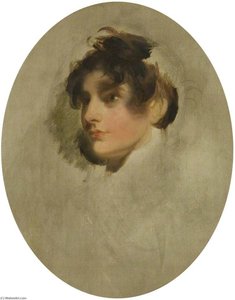
Dr John Richard Farre

Thomas Phillips (1770-1845) created this stunning depiction of Dr John Richard Farre, highlighting his intellect and contribution to ophthalmology. The painting's ornate frame complements the subject’s dignified pose amidst scholarly books.

Thomas Phillips (1770-1845): retratista renomado pela precisão e captura da essência de figuras históricas britânicas, como Lord Byron. Uma obra-prima do Romantismo! #ArteBritânica #Retratos

Adquira uma imagem digital de alta resolução e aprimorada, muito superior à prévia online.

Cada arquivo é meticulosamente preparado por nossos especialistas internos, utilizando ferramentas avançadas e retoques manuais de alta precisão. Garantimos que cada imagem apresente clareza excepcional, fidelidade de cores e detalhes minuciosos.

O arquivo final é entregue por e-mail em até 72 horas, otimizado para uso imediato em ambientes profissionais, editoriais e de impressão. Esta é a mesma qualidade utilizada por estúdios de design de alto nível, editoras e galerias.

Imagem Digital

Baixe um arquivo de alta resolução para exibição pessoal, impressão e projetos criativos. ( Alternar para Impressão Encomendar reprodução pintada à mão)

Preço Total

$ 24,90

Incluído em cada pedido de imagem digital

Entrega Digital Especializada e Garantida

Ao escolher o WahooArt.com, você não está apenas adquirindo uma imagem — você está recebendo uma obra de arte digital profissionalmente aprimorada, elaborada com precisão e com garantia de satisfação. Aqui está tudo o que acompanha seu pedido, automaticamente:

shipping_icon
Entrega rápida por e-mail

O seu arquivo de imagem digital em alta resolução será enviado por e-mail em até 72 horas após o pedido — pronto para uso imediato.

canvas_icon
Arquivo Digital com IA Otimizado

Sua obra de arte é otimizada profissionalmente por meio de ferramentas avançadas de IA e edição manual, garantindo o máximo de detalhes, clareza e precisão de cores.

insurance_icon
Reenvio gratuito vitalício

Apagou ou perdeu o seu ficheiro acidentalmente? Não se preocupe – nós reenviamos para si a qualquer momento, gratuitamente.

tax_icon
Sem Taxas de Importação - Sempre

Desfrute da sua obra de arte instantaneamente, sem taxas alfandegárias, impostos ou custos de entrega — downloads digitais são sempre isentos de taxas.

color_icon
Garantia de Precisão de Cores

Garantimos que sua imagem digital reflita as cores originais com a maior fidelidade possível, utilizando ferramentas profissionais e gerenciamento de cores.

return_icon
Garantia de satisfação de 100 dias

Se não estiver satisfeito com a sua imagem digital, nós a revisaremos ou reembolsaremos 100% dentro de 100 dias — sem perguntas.

guarantee_icon
Garantia de Reembolso 100%

Não está satisfeito? Receba o reembolso total em até 100 dias após o recebimento do seu arquivo digital — sem perguntas.

discount_icon
Descontos para pedidos em lote

Compre 3 imagens, economize 10% - Compre 5, economize 15% - Compre 10+, economize 20%. Ideal para projetos criativos, galerias e agências.

Detalhes Rápidos

  • Medium: Oil on canvas (implied)
  • Artistic style: Portraiture
  • Artist: Thomas Phillips
  • Title: Dr John Richard Farre
  • Notable elements or techniques:
    • Ornate frame
    • Books

Teste de Conhecimentos Artísticos

Cada pergunta possui apenas uma resposta correta.

Questão 1:
What is the primary subject depicted in this portrait?
Questão 2:
What elements in the painting suggest the subject's intellectual pursuits?
Questão 3:
Thomas Phillips, the artist, initially trained in what craft before focusing on portraiture?
Questão 4:
The overall atmosphere of the painting is described as one of:
Questão 5:
Which historical period does the subject's attire suggest?

A Portrait of Enlightenment and Intellect

This captivating portrait presents Dr John Richard Farre, a figure whose very presence seems steeped in the refined atmosphere of the early nineteenth century. The subject is rendered with an air of distinguished gravity; his white hair catches the light, complementing the crisp formality of his suit and the immaculate white cravat encircling his neck. Thomas Phillips, the masterful hand behind this work, captures not merely a likeness, but an entire persona—that of a man of considerable standing within polite society. The meticulous rendering of his attire speaks volumes about the social codes and expectations governing prominent gentlemen during that era, suggesting a life lived under the careful gaze of societal expectation.

The Symbolism of Scholarship

What elevates this piece beyond a mere portrait is the thoughtful inclusion of scholarly accoutrements. Scattered around Dr Farre are several volumes—books whose presence acts as a silent testament to his intellectual pursuits. These scattered texts are not decorative filler; they are potent symbols, suggesting that knowledge was not just an interest, but a cornerstone of his identity. They invite the viewer to look deeper, to contemplate the depth of thought and the breadth of learning that underpinned his societal stature. The overall composition balances the personal dignity of the sitter with the universal pursuit of wisdom, creating a dialogue between man and mind.

Mastery in Technique and Atmosphere

Thomas Phillips’s technique is evident in every brushstroke. While the subject matter grounds us firmly in portraiture, the execution hints at the broader technical prowess that characterized his career. The handling of fabric, the subtle gradation of skin tones, and the richness implied by the ornate frame surrounding the scene all speak to a high degree of craftsmanship. The atmosphere cultivated is one of profound sophistication and quiet authority. It is an environment where conversation would be measured, ideas debated with passion, and refinement was paramount.

A Touchstone for Contemporary Interiors

For the discerning collector or interior designer, this reproduction offers more than just wall art; it offers a curated piece of historical ambiance. Imagine this portrait gracing a library, a formal drawing-room, or an academic study. It instantly bestows an air of cultivated history and enduring taste upon any space. The combination of formal portraiture and intellectual symbolism makes it incredibly versatile, appealing to those who appreciate both the artistry of the past and the quiet dignity of learned pursuits.


Biografia do Artista

Early Life and Artistic Foundations

Thomas Phillips, born in Dudley, Worcestershire, in 1770, emerged from relatively modest beginnings to become a prominent figure in the British art scene of the late 18th and early 19th centuries. His initial artistic training wasn’t within the traditional confines of painting, but rather in the craft of glass-painting under Francis Eginton in Birmingham. This foundational experience instilled in him a meticulous attention to detail and an understanding of color and light that would later characterize his portraiture. The intricate designs and vibrant hues he mastered while working with stained glass undoubtedly shaped his visual sensibilities – a skill set that translated seamlessly into the creation of compelling portraits. A pivotal moment arrived in 1790 when Phillips journeyed to London, armed with an introduction to Benjamin West, a leading artist of the time and a key figure in the Royal Academy. West’s guidance proved invaluable, opening doors for Phillips and securing him employment on the painted-glass windows of St George's Chapel at Windsor Castle – a project that allowed him to hone his skills within a grand architectural context. This early exposure to large-scale decorative work undoubtedly shaped his compositional sensibilities and appreciation for narrative storytelling in art. The sheer scale of the chapel windows demanded a mastery of perspective, color harmony, and intricate detail—qualities that would become hallmarks of Phillips’s later portraits.

A Rising Portraitist: Style and Subject Matter

Phillips quickly found his niche in portraiture, though not without navigating a competitive landscape already populated by renowned artists like Thomas Lawrence and John Hoppner. Initially, his sitters were largely unknown individuals – members of the gentry, merchants, and professionals who sought to immortalize their likenesses on canvas. However, through dedication, skill, and a keen eye for capturing personality, he steadily ascended the social ladder, attracting increasingly prominent figures to his studio. His style was characterized by a meticulous realism, reflecting both the influence of his early training in glass-painting and the prevailing artistic tastes of the era. He possessed an ability to capture not just physical likeness, but also something of the sitter’s character and intellect – a subtle nuance that elevated his portraits beyond mere representations of appearance. He was particularly adept at conveying mood and emotion through carefully observed gestures, expressions, and the use of light and shadow. This talent proved particularly valuable when portraying the “men of genius” – scientists, writers, poets, and explorers – who became a recurring theme in his work. Phillips’s portraits weren't simply likenesses; they were windows into the souls of his subjects, revealing their intellect, ambition, and inner lives.

Royal Patronage and Academic Recognition

The year 1804 marked a significant turning point in Phillips’s career with his election as an associate of the Royal Academy, alongside William Owen. This recognition solidified his position within the artistic establishment and signaled a shift towards greater public acclaim. Shortly thereafter, he relocated to 8 George Street, Hanover Square, London – a prestigious address that would remain his home and studio for the next four decades. The move provided him with a more suitable environment for his work and facilitated access to a wider circle of patrons and fellow artists. His clientele continued to expand, encompassing members of the royal family, including Prince William IV, as well as prominent figures from the world of politics, literature, and science. He painted portraits of the Prince of Wales (later George IV), the Marchioness of Stafford, and Lord Thurlow – individuals who represented the pinnacle of British society at the time. A particularly celebrated portrait from this period is that of William Blake, now housed in the National Portrait Gallery – a work admired for its sensitive depiction of the poet’s intense gaze and visionary spirit. The painting captures not only Blake's physical appearance but also his intellectual intensity and spiritual depth.

Later Years: Professorship and Legacy

Phillips’s contributions to the art world extended beyond his own paintings. In 1825, he was appointed Professor of Painting at the Royal Academy, succeeding Henry Fuseli – a position he held until 1832. This role allowed him to share his knowledge and expertise with aspiring artists, shaping the next generation of British painters. He published *Lectures on the History and Principles of Painting* in 1833, offering insights into his artistic philosophy and pedagogical approach. His lectures were highly regarded for their clarity, erudition, and practical advice—demonstrating a deep understanding of both art history and technique. While his later years saw a slight decline in public acclaim, Phillips remained a respected figure within the art community until his death in 1845. His legacy lies not only in the numerous portraits he created – capturing the likenesses of many notable figures of his time – but also in his dedication to artistic education and his contribution to the development of British portraiture. He left behind a body of work that reflects both the technical skill and the intellectual curiosity of an artist deeply engaged with the cultural landscape of his era. His attention to detail, combined with a sensitivity to character, ensures his place as a significant figure in 19th-century British art.

Notable Works

Here are some of Thomas Phillips's most celebrated works:
  • Venus and Adonis (1806)
  • Portrait of William Blake (1807)
  • Portrait of Lord Byron (1806)
  • Portrait of Sir Charles Asgill, 2nd Baronet (circa 1800s - location unknown)
  • Portrait of the Prince of Wales (later George IV)

Thomas Phillips

Thomas Phillips

1770 - 1845 , Reino Unido

Informações Rápidas

  • Artistic Movement Or Style: Romantismo
  • Artists Or Movements Influenced By This Artist: ['Benjamin West']
  • Artists Who Influenced This Artist: ['Benjamin West']
  • Date Of Birth: 1770
  • Date Of Death: 1845
  • Full Name: Thomas Phillips
  • Nationality: Britânico
  • Notable Artworks:
    • Vênus e Adônis
    • Lord Byron
    • Canon Gisborne
  • Place Of Birth: Dudley, Reino Unido