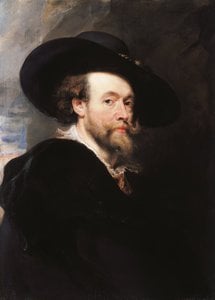
A Vida Forjada em Splendor Barroco
Sir Peter Paul Rubens, um nome que ressoa com a própria essência do dinamismo barroco, foi muito mais do que simplesmente um pintor. Ele foi um diplomata, um estudioso e um arquiteto cultural que remodelou fundamentalmente o cenário artístico da Europa no século XVII. Nascido em Siegen, Alemanha, em 1577, sua vida inicial foi marcada por deslocamento – uma experiência formativa que permeia sutilmente seu trabalho posterior com uma corrente de drama e profundidade emocional. Seu pai, Jan Rubens, um advogado fugindo de perseguições religiosas por suas crenças calvinistas, desfez a família de sua terra natal, Antuérpia, então sob o domínio espanhol. Essa primeira exílio instilou em Peter Paul um senso de resiliência e adaptabilidade, qualidades que lhe serviriam bem ao longo de sua multifacetada carreira. Após a morte do pai em 1587, a família retornou a Antuérpia, onde ele recebeu uma educação humanista antes de embarcar em seu treinamento artístico por volta de 1590, aprendendo com Tobias Verhaecht e Adam van Noort, aprimorando habilidades fundamentais em desenho e técnicas de pintura. No entanto, seu tempo com Otto van Veen provou ser crucial, expondo-o ao rico legado da arte renascentista italiana – um mundo que ele logo abraçaria plenamente.
O Despertar Italiano e a Síntese Artística
Em 1600, Rubens embarcou em uma jornada transformadora para a Itália, uma peregrinação que moldou irrevogavelmente sua visão artística. Por oito anos, mergulhou-se nas obras-primas de Michelangelo, Rafael e Tician, absorvendo sua maestria na forma, cor e composição. A influência desses gigantes renascentistas é evidente em seus primeiros trabalhos italianos, caracterizados por temas clássicos e figuras idealizadas. No entanto, Rubens não apenas imitou; ele sintetizou essas influências com seu próprio talento inato, desenvolvendo um estilo distinto marcado por tons vibrantes, composições dinâmicas e uma representação sensual da forma humana. Estudou a anatomia meticulosamente, resultando em figuras que possuíam tanto realismo físico quanto poder emocional – corpos robustos imbuidos de vida e movimento. Este período não foi apenas um desenvolvimento artístico; foi uma profunda despertar intelectual, fomentando uma apreciação profunda pela mitologia e literatura clássicas, que se tornariam motivos recorrentes em sua obra. Ao retornar a Antuérpia em 1608, Rubens rapidamente estabeleceu-se como o principal artista da época, recebendo uma torrente de comissões que testemunhavam sua crescente reputação e solidificavam sua posição na vanguarda da arte flamenga.
Um Mestre de Muitas Formas: Pintura Além dos Limites
A produção artística de Rubens foi incrivelmente diversa e prolífica. Ele não se restringiu a um único gênero; em vez disso, destacou-se em pinturas históricas, cenas mitológicas, retratos, paisagens e obras religiosas – um testemunho de sua versatilidade e criatividade ilimitada. Suas telas grandiosas, frequentemente destinadas a igrejas, palácios e espaços públicos, eram displays impressionantes de virtuosismo técnico e narrativa dramática.
A Descida da Cruz (c. 1616-1617) exemplifica seu domínio magistral no uso de luz e sombra para criar uma cena de intensidade emocional profunda, envolvendo os espectadores no coração da narrativa.
O Levantamento da Cruz (1610-1611), com suas figuras em turbilhão e composição dinâmica, demonstra sua capacidade de transmitir movimento e energia – um traço característico de seu estilo barroco. Mesmo em temas estáticos como
O Julgamento de Paris (c. 1636), Rubens infundiu um senso de vida e vitalidade por meio de sua paleta de cores vibrantes e representação sensual da forma humana. Sua técnica foi igualmente notável – um domínio magistral da pintura a óleo, empregando impasto para criar textura e profundidade, juntamente com técnicas delicadas de esmalte para alcançar efeitos luminosos. Frequentemente, ele incorporava figuras alegóricas e simbolismo, sobrepondo narrativas com significados complexos que convidavam à contemplação e interpretação.
Diplomacia, Legado e Influência Duradoura
A influência de Rubens se estendeu muito além do reino da arte. Suas habilidades diplomáticas eram altamente procuradas pelos Países Baixos do Sul (moderno Bélgica), e ele realizou inúmeras missões para a Inglaterra, França e Espanha, negociando tratados e promovendo alianças políticas – um papel dual único que lhe proporcionou uma perspectiva refinada sobre os assuntos europeus e reforçou ainda mais sua reputação como um homem de inteligência e influência. Em 1630, ele se casou com Hélène Fourment, quem se tornou tanto sua musa quanto tema frequente em suas pinturas – sua juventude adornando muitos de seus trabalhos posteriores, personificando a sensualidade e vitalidade que caracterizavam seu estilo. Ele continuou a pintar prolifixamente até sua morte em Antuérpia em 1640, deixando para trás um legado vasto que continua a inspirar admiração e apreço. Seu impacto nas gerações futuras de artistas é imensurável; pintores como Anthony van Dyck, Jacob Jordaens e Eugène Delacroix todos se inspiraram em suas composições dinâmicas, cores vibrantes e figuras sensuais. Rubens não apenas definiu o estilo barroco – ele elevou a pintura a um novo nível de prestígio e influência, solidificando Antuérpia como um importante centro de produção artística durante o século XVII. Ele permanece, séculos depois, uma figura imponente na história da arte, um testemunho do poder da criatividade humana e do fascínio duradouro do esplendor barroco.
Características Chave do Estilo de Rubens
- Composição Dinâmica: As pinturas de Rubens são conhecidas por suas composições enérgicas e dramáticas de figuras.
- Paleta de Cores Vibrantes: Ele empregou uma paleta de cores rica e quente que deu vida às suas telas.
- Figuras Sensuais: Suas representações da forma humana eram caracterizadas por plenitude, vitalidade e frequentemente, sensualidade aberta.
- Uso Magistral de Luz e Sombra: Rubens manipulou habilmente a luz e a sombra para criar profundidade, drama e impacto emocional.
- Simbolismo Alegórico: Suas obras frequentemente incorporavam figuras alegóricas e simbolismo, adicionando camadas de significado e complexidade.



 Visualizar em escala
 Alternar para Impressão
 Enviar
 Compartilhar
 Ver detalhes
 Guia
Guia

 Baixar imagem
 Semelhantes
 Raio X
 Apresentação de slides
 Estatísticas

 Ver mais