

Obtenha um arquivo pronto para impressão que vai muito além da visualização na web. Cada imagem digital que vendemos provém de um arquivo mestre de alta resolução em nosso banco de dados — geralmente entre 5.000 e 15.000 pixels de largura — para que você possa imprimir em grandes formatos, realizar cortes precisos ou reproduzir detalhes minuciosos com total confiança.
Nenhum arquivo sai do nosso estúdio sem passar por um cuidadoso processo de revisão. Um especialista digital verifica as cores em relação à pintura original e as corrige se necessário, aumentando então a clareza e o detalhe com ferramentas profissionais de retoque — sempre mantendo a fidelidade às pinceladas e ao estilo do artista. O resultado é uma imagem que se assemelha à pintura, e não a um scan com filtros.
Aprovação antes da finalização: nosso especialista enviará a imagem por e-mail em até 72 horas para sua revisão. Não ficou satisfeito? Solicite melhorias ou correções, ou peça o reembolso caso a qualidade não atenda às suas expectativas.
Esta é a qualidade em que confiam editoras, estúdios de design, galerias e gráficas.
Baixe um arquivo de alta resolução para exibição pessoal, impressão e projetos criativos. ( Alternar para Impressão Comprar pintura feita à mão)
Ao escolher o WahooArt.com, você não está apenas adquirindo uma imagem — você está recebendo uma obra de arte digital profissionalmente aprimorada, elaborada com precisão e com garantia de satisfação. Aqui está tudo o que acompanha seu pedido, automaticamente:
O seu arquivo de imagem digital em alta resolução será enviado por e-mail em até 72 horas após o pedido — pronto para uso imediato.
Sua obra de arte é otimizada profissionalmente por meio de ferramentas avançadas de IA e edição manual, garantindo o máximo de detalhes, clareza e precisão de cores.
Apagou ou perdeu o seu ficheiro acidentalmente? Não se preocupe – nós reenviamos para si a qualquer momento, gratuitamente.
Desfrute da sua obra de arte instantaneamente, sem taxas alfandegárias, impostos ou custos de entrega — downloads digitais são sempre isentos de taxas.
Garantimos que sua imagem digital reflita as cores originais com a maior fidelidade possível, utilizando ferramentas profissionais e gerenciamento de cores.
Se não estiver satisfeito com a sua imagem digital, nós a revisaremos ou reembolsaremos 100% dentro de 100 dias — sem perguntas.
Não está satisfeito? Receba o reembolso total em até 100 dias após o recebimento do seu arquivo digital — sem perguntas.
Compre 3 imagens, economize 10% - Compre 5, economize 15% - Compre 10+, economize 20%. Ideal para projetos criativos, galerias e agências.
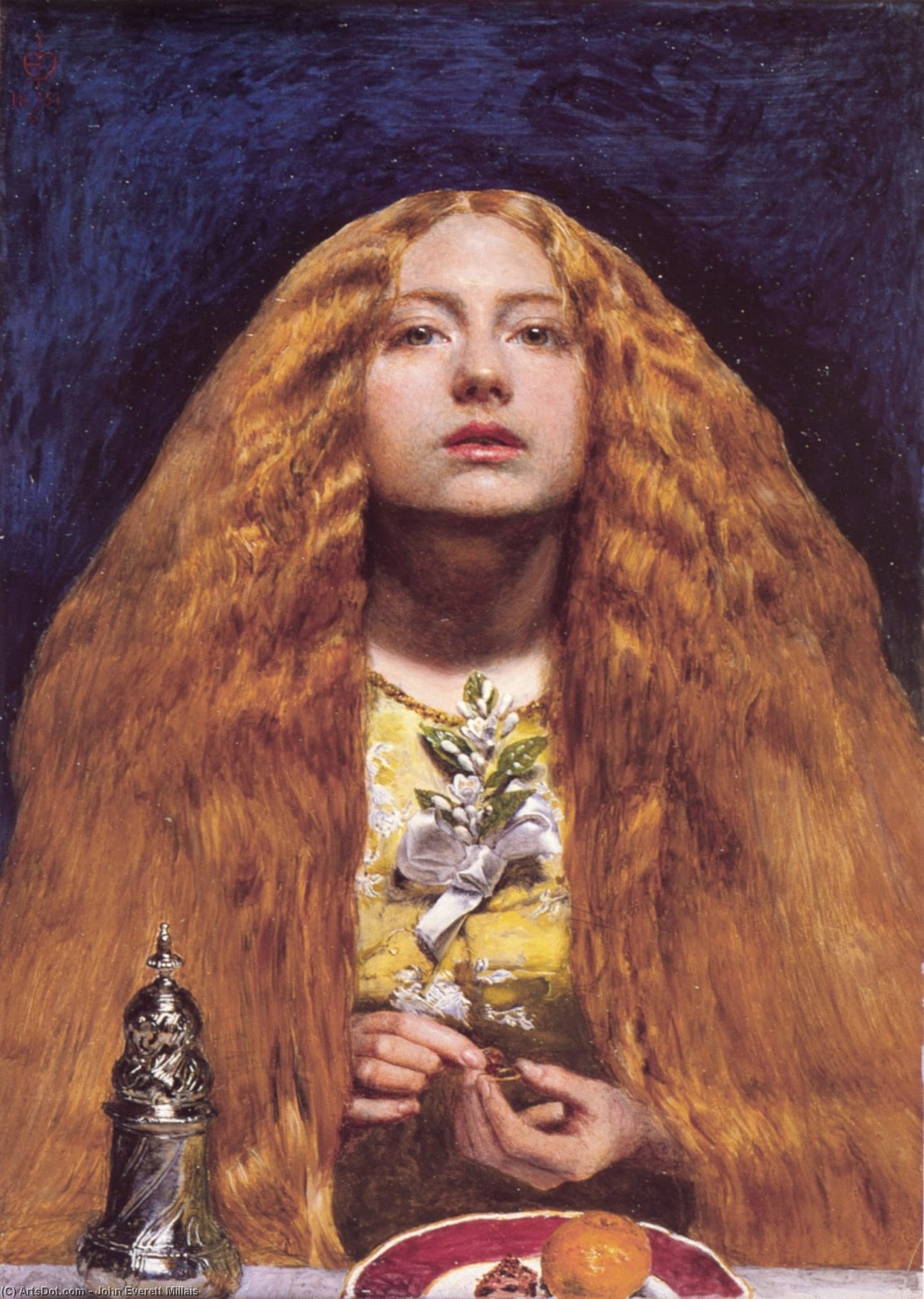
“The Bridesmaid,” painted by Sir John Everett Millais in 1851, is more than just a portrait; it's a window into the intricate social customs and romantic sensibilities of Victorian England. This captivating work depicts a young woman, seemingly caught in a moment of quiet contemplation following her role as a bridesmaid at a wedding ceremony. The painting’s enduring appeal lies not only in Millais’ masterful technique but also in its subtle yet profound exploration of themes like love, expectation, and the passage of time.
Millais' "The Bridesmaid" is a prime example of the Pre-Raphaelite Brotherhood’s artistic philosophy. Founded in 1848 by Millais, William Holman Hunt, and Dante Gabriel Rossetti, this movement sought to reject what they perceived as the artificiality of academic art and return to the detailed observation and vibrant colors of early Renaissance painting – before Raphael, hence "Pre-Raphaelite." However, Millais also incorporated elements of realism into his work. Notice the meticulous rendering of the woman’s hair, the textures of her dress, and the details of the objects in the background—all hallmarks of a commitment to portraying reality with exceptional accuracy.
Beyond its aesthetic beauty, "The Bridesmaid" is rich in symbolic meaning. The scene depicts the woman performing a traditional Victorian custom – passing a piece of wedding cake through a ring nine times, hoping to foresee her future husband. This ritual speaks to the era’s emphasis on marriage and the societal expectations placed upon young women. The inclusion of two apples resting on a table adds another layer of interpretation; apples have long been associated with love, wisdom, and abundance, suggesting that the subject is contemplating her own life and relationships. The clock in the upper left corner subtly reinforces the theme of time's passage and the fleeting nature of youth and opportunity. The woman’s expression—a blend of hope and perhaps a touch of melancholy—invites viewers to ponder her inner thoughts and feelings.
“The Bridesmaid” was created during a period of significant social change in England. The Victorian era (1837-1901) was characterized by rapid industrialization, strict moral codes, and a growing emphasis on domesticity. Millais’ painting reflects these values while simultaneously challenging them through its realistic portrayal of everyday life and its exploration of female subjectivity. The Pre-Raphaelites were often critical of the materialism and social inequalities of their time, and "The Bridesmaid," with its quiet intimacy and subtle symbolism, can be seen as a commentary on the complexities of Victorian society.
“The Bridesmaid” remains a beloved work of art, admired for its beauty, technical skill, and evocative storytelling. Handmade oil painting reproductions are available, allowing you to bring this iconic piece into your own home or collection. Experience the charm and depth of Millais’ masterpiece—a testament to the power of art to capture the essence of a bygone era.
"The Bridesmaid", de Sir John Everett Millais possui um formato Portrait. O formato descreve as proporções da composição.
"The Bridesmaid" inclina-se para um tom Warm Sunset Tones.
"The Bridesmaid", de Sir John Everett Millais retrata portrait, victorian, bridesmaid, symbolism, red hair, flowers, realism, em uma atmosfera Romantic. O tema e a ambientação descrevem, juntos, a obra.


1829 - 1896 , Reino Unido
 Visualizar na parede
 Compartilhar
 Compartilhar
 Detalhes
 Guia
Guia

 Baixar imagem
 Semelhantes
 Raio X
 Ver diaporama
 Perguntas e Respostas
 Estatísticas

 Ler mais


