A Vida e a Identidade de Simone Martini
Nascido em Siena, na Itália, por volta de 1284, Simone Martini viveu uma existência que espelhava as marés mutáveis de sua era. Conhecido também como Simone di Martino, ele foi uma figura central no desenvolvimento da pintura italiana primitiva. Sua presença no mundo da arte foi sentida desde o coração da Toscana até as cortes papais da França, marcando-o como um homem cujo alcance se estendia muito além de seu local de nascimento. Ele foi um pintor que compreendeu a linguagem de seu tempo, movendo-se pelos centros religiosos e cívicos da Europa com uma mão firme e decidida.
Sua identidade estava profundamente ligada à cidade de Siena, um lugar de comércio e de profunda devoção. Este ambiente ajudou a moldar um homem capaz de navegar tanto pelas exigências sagradas de uma igreja quanto pelos gostos sofisticados de uma corte real. Ele não era uma figura solitária trabalhando em isolamento; sua vida estava tecida no tecido social e intelectual do século XIV. Suas conexões alcançaram até o famoso poeta Petrarca, sugerindo uma vida vivida entre os pensadores e líderes daquela época.
A amplitude de sua vida pode ser compreendida através das diversas cidades onde deixou sua marca, incluindo:
- Siena, Itália
- Nápoles, Itália
- Orvieto, Itália
- Assis, Itália
- Avignon, França
Vida Inicial, Família e Formação
Nascido em Siena, na Itália, por volta de 1284, Simone Martini cresceu em uma cidade onde a arte era a linguagem tanto da fé quanto do orgulho cívico. Embora os detalhes exatos de sua infância permaneçam um tanto obscurecidos pelo tempo, seu caminho no mundo da pintura parece ter sido guiado pelas mãos de mestres. Ele foi, muito provavelmente, discípulo de Duccio di Buoninsegna, o principal artista de Siena, cuja influência ajudou a moldar a sensibilidade precoce do jovem que, eventualmente, redefiniria o estilo sienense.
As conexões familiares desempenharam um papel fundamental em sua vida e em seu círculo profissional. Irmão de Donato, seus laços sociais e artísticos foram ainda mais fortalecidos através de seu matrimônio. Em 1324, ele se casou com Giovanna, filha de Memmo di Filippuccio. Esta união o inseriu em uma rede coesa de criadores, uma vez que seu cunhado era o artista Lippo Memmi. Tais relacionamentos provavelmente ofereceram mais do que apenas companhia; eles proporcionaram uma linguagem técnica compartilhada e um espírito de colaboração que caracterizaria grande parte da atividade artística em Siena durante essa era.
Atividade Artística em Siena e na Toscana
Por volta de 1315, Simone Martini já estava a deixar a sua marca na vida cívica de Siena. Naquele ano, pintou o fresco da Maestà para o Palazzo Pubblico, a sede do governo da cidade. Esta obra colocou-o no centro da vida pública sienese, trabalhando nos salões onde se reuniam os líderes da cidade. A sua presença na região cresceu de forma constante à medida que se deslocava entre a cidade e os seus territórios circundantes, estabelecendo uma reputação que em breve o levaria muito além das muralhas de Siena.
As suas mãos estiveram ocupadas com diversos encargos ao longo da década seguinte. Em 1319, concluiu o Políptico de Santa Catarina de Alexandria em Pisa. À medida que a sua carreira progredia, o seu alcance estendia-se a outras cidades toscanas, incluindo Orvieto, onde esteve ativo em 1320. Estes anos foram um período de movimento constante e produção constante, enquanto navegava pelas necessidades de diferentes patronos religiosos e civis por toda a paisagem.
A obra que produziu durante este tempo refletia uma familiaridade crescente com as exigências específicas dos seus patronos. Por volta de 1324, foi encarregado de pintar o Retábulo de Santo Agostinho Novello. Este período da sua vida foi definido por este ritmo constante de viagem e criação, enquanto percorria as colinas e vales da Toscana, deixando para trás um rastro de superfícies pintadas que documentavam a sua presença na região.
Patronos, Oficina e Comissões
A trajetória de Simone Martini foi moldada pelas constantes mudanças nos centros de poder que atravessavam a Itália e a França. Em seus primeiros anos, ele colaborou estreitamente com o Governo dos Nove em Siena, decorando os salões do Palazzo Pubblico. Este vínculo cívico proporcionou uma base sólida para sua crescente reputação, permitindo que seu alcance se estendesse, eventualmente, até as cortes reais, como ocorreu quando foi comissionado pela Casa de Anjou, em Nápoles, no ano de 1317. Tais papéis iniciais permitiram-lhe transitar entre o domínio religioso e o político, encontrando obras que exigiam tanto profundidade espiritual quanto um refinado senso de graça cortesã.
Sua reputação de elegância acabou por levá-lo aos mais altos níveis do mecenato europeu. Em 1336, ele aceitou uma comissão de enorme importância concedida pelo Papa Bento XII. Este compromisso levou-o a Avignon, onde recebeu a tarefa de criar afrescos para o Palácio Papal. Ao viver no coração da corte papal, Simone Martini inseriu-se em um círculo intelectual que incluía o célebre poeta Petrarca. Este período de sua vida foi marcado por uma transição fascinante: o abandono das tradições locais da Toscana em direção aos gostos sofisticados e internacionais da corte francesa.
Estilo Artístico e Técnica
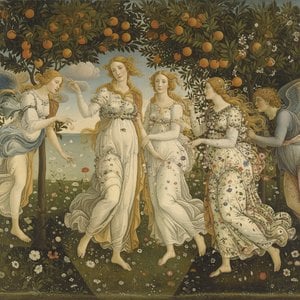
Simone Martini trabalhava com uma sensibilidade delicada que privilegiava a graça em detrimento das formas pesadas e monumentais encontradas em Florença. Ele era um arquiteto da elegância, concentrando-se na maneira como uma linha poderia fluir sobre uma superfície para criar uma sensação de movimento. Suas composições frequentemente apresentavam figuras alongadas e detalhes decorativos suaves que conferiam ao seu trabalho um refinamento cortesão. Esta estética foi moldada pela chegada de influências francesas através da Via Francigena, especificamente os padrões intrincados encontrados na iluminação de manuscritos e as texturas finas da escultura em marfim. Ele não apenas adotou esses estilos estrangeiros; ele os fundiu com as tradições de Siena para criar uma linguagem visual que parecia, ao mesmo tempo, sofisticada e profundamente espiritual.
Para alcançar a qualidade luminosa de suas cores, Martini confiava na técnica da têmpera. Ele utilizava a gema de ovo como aglutinante para seus pigmentos, um método que permitia pinceladas precisas e finas, além de uma clareza duradoura. Esta precisão técnica era essencial para a ornamentação intrincada que ele tanto favorecia. Em suas pinturas, o jogo de luz e cor era utilizado para transmitir emoção através de mudanças sutis na postura e no gesto, em vez de recorrer a escalas dramáticas. Sua habilidade em equilibrar esses elementos decorativos com um senso de clareza narrativa permitia-lhe retratar cenas religiosas complexas com uma intensidade silenciosa e poética.
Obras-Primas e Legado Imortal
As mãos de Simone Martini mantiveram-se incansáveis ao longo de suas viagens, deixando um rastro de obras que refletem as mutáveis necessidades de seus patronos. Em 1317, ele dedicou seu talento ao Altar de São Luís de Toulouse, uma peça que retrata o santo ao lado de seu irmão, Roberto de Anjou. Esta obra, hoje preservada no Museo Nazionale di Capodimonte, em Nápoles, captura um momento de profunda conexão familiar e espiritual. Sua habilidade em conduzir narrativas complexas tornou-se evidente também no Políptico de Santa Catarina de Alexandria, produzido em 1319.
À medida que sua reputação crescia, tanto a escala quanto a intimidade de seus temas se expandiam. Em 1333, ele pintou a Anunciação com Santa Margarida e Santo Ansanus, uma obra que reside atualmente na Galleria degli Uffizi, em Florença. Esta peça demonstra sua maestria em equilibrar a devoção religiosa com um senso de graça cortesã. Mesmo em seus anos tardios, seu pincel manteve sua firmeza e precisão. Em 1342, ele concluiu o Cristo Encontrado no Templo, uma pintura que pode ser encontrada na Walker Art Gallery, em Liverpool.
Entre suas criações mais emblemáticas, destacam-se:
- São Luís de Toulouse Coroando seu Irmão Roberto de Anjou, 1317
- Políptico de Santa Catarina de Alexandria, 1319
- Anunciação com Santa Margarida e Santo Ansanus, 1333
- Cristo Encontrado no Templo, 1342
Anos Tardios e Morte
Os anos finais da vida de Simone Martini foram marcados por uma transição significativa, tanto em sua geografia quanto em seus círculos sociais. Por volta de 1334 ou 1335, ele deixou as paisagens familiares da Toscana para se estabelecer em Avignon, na França. Esta mudança colocou-o no epicentro do poder europeu, onde passou a colaborar estreitamente com a corte papal. Sua presença em Avignon permitiu que ele transitasse por ambientes altamente intelectuais, cultivando uma amizade com o poeta humanista Petrarca. Este intercâmbio entre as artes visuais e o humanismo emergente da época tornou-se uma característica definidora de seu período na França.
Durante sua estada em Avignon, sua obra continuou a refletir o gosto sofisticado de seus patronos. Alguns relatos sugerem que ele teria pintado um retrato de Laura de Noves, a mulher que serviu como musa de Petrarca ao longo de toda a vida, embora essa obra específica tenha se perdido nos séculos. Seu tempo na corte francesa foi um período de engajamento de alto nível, muito distante da vida provincial de seus primeiros anos de formação. Simone Martini permaneceu ativo neste ambiente cosmopolita até sua morte, em julho de 1344. Ele partiu em Avignon, deixando para trás um legado artístico que já havia começado a construir pontes entre as diversas tradições europeias.
Legado e Influência Duradoura
Simone Martini ajudou a construir a ponte entre a era medieval e o Renascimento. Sua presença no mundo da arte sinalizou uma transição para uma nova forma de enxergar, afastando-se das formas pesadas e monumentais do passado. Ao levar o estilo sienense para além das montanhas, ele permitiu que a pintura de Siena penetrasse em território francês, possibilitando que sua estética particular criasse raízes em novas terras. Esse movimento foi fundamental para a propagação do estilo Gótico Internacional por toda a Europa, influenciando a maneira como artistas de todo o continente abordariam a linha e a ornamentação.
O alcance de sua obra estendeu-se muito além de sua própria existência. Gerações de artistas seguiram os caminhos que ele desbravou, adotando a graça e o detalhe refinado que definiam seu traço. Sua habilidade em fundir o espiritual com uma certa elegância cortesã deixou uma marca indelével no desenvolvimento da pintura europeia. Mesmo com a mudança dos estilos, a forma como ele utilizava a cor e a silhueta permaneceu como um ponto de referência para todos aqueles que vieram depois dele.
- Saint Louis of Toulouse Crowning His Brother Robert of Anjou, 1317
- Annunciation with St. Margaret and St. Ansanus, 1333
- Christ Discovered in the Temple, 1342
Onde Contemplar suas Obras Hoje
Para encontrar a presença física da arte de Simone Martini, é necessário viajar pelas paisagens da Itália e além de suas fronteiras. Em Siena, o Palazzo Pubblico abriga o afresco da Maestà, uma obra que ocupa seu espaço desde 1315. Contemplá-la na sede do governo da cidade permite uma percepção da escala e da importância cívica que suas pinturas outrora possuíam. Em Nápoles, o Museo di Capodimonte preserva o Altar de São Luís de Toulouse, uma peça que reflete a habilidade do artista em conduzir narrativas religiosas complexas através da cor e da forma.
Seu alcance estendeu-se muito além das fronteiras da Toscana. Em Florença, a Galleria degli Uffizi contém a Anunciação com Santa Margarida e Santo Ansanus, criada em 1333. Esta obra oferece um vislumbre das linhas delicadas e fluidas que definiram sua abordagem durante seus anos de grande atividade. Para aqueles que viajam ao Reino Unido, a Walker Art Gallery, em Liverpool, abriga Cristo Encontrado no Templo, uma obra de 1342 que demonstra sua maestria mesmo em seus anos de maturidade.
A jornada de suas obras espalha-se por diversos tesouros mundiais:


 Visualizar na parede
 Compartilhar
 Compartilhar
 Detalhes
 Guia
Guia

 Baixar imagem
 Semelhantes
 Raio X
 Ver diaporama
 Perguntas e Respostas
 Estatísticas


 Ler mais
 Alternar para Impressão





































 A opção de vidro está disponível apenas para tamanhos inferiores a 110 cm