Visualizar em escala Visualizar em RA Encomendar reprodução pintada à mão Ver Imagem Digital Enviar
Ver detalhes Guia de Obras do Aluno Adicionar aos favoritos Baixar imagem Semelhantes Raio X Apresentação de slides Estatísticas

Janela

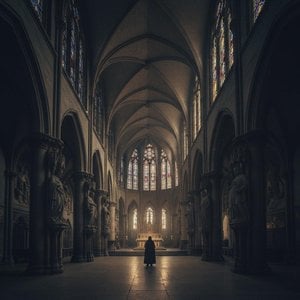
Uma janela magnífica pintada por Simone Martini, mestre da Elegância Internacional Gótica. Explore os detalhes vibrantes deste painel de vidro colorido e descubra o legado artístico sienês.

Descubra Simone Martini, mestre da elegância e graça! Suas pinturas góticas internacionais – como 'Maestà' – unem temas religiosos à sofisticação e detalhes deslumbrantes.

Giclée / Impressão de Arte

Impressão giclée ou em tela de qualidade de museu, com produção rápida e opções flexíveis de acabamento. ( Encomendar reprodução pintada à mão Ver Imagem Digital)

Corner sample of the P118B picture frame: moulded polystyrene, 5 cm wide and 3 cm thick
P118B €10
Corner sample of the P118H picture frame: moulded polystyrene, 5 cm wide and 3 cm thick
P118H €10
Corner sample of the P118W picture frame: moulded polystyrene, 5 cm wide and 3 cm thick
P118W €10
Corner sample of the P438Z picture frame: moulded polystyrene, 5.5 cm wide and 3.5 cm thick
P438Z €10
Corner sample of the P508JH picture frame: moulded polystyrene, 7 cm wide and 3.5 cm thick
P508JH €12
Corner sample of the P508YH picture frame: moulded polystyrene, 7 cm wide and 3.5 cm thick
P508YH €12
Corner sample of the P805H picture frame: moulded polystyrene, 5 cm wide and 3.5 cm thick
P805H €10
Corner sample of the P805Z picture frame: moulded polystyrene, 5 cm wide and 3.5 cm thick
P805Z €10
Corner sample of the P919BZ picture frame: moulded polystyrene, 7 cm wide and 3.5 cm thick
P919BZ €10
Corner sample of the P919G picture frame: moulded polystyrene, 7 cm wide and 3.5 cm thick
P919G €10
Corner sample of the P919XJ picture frame: moulded polystyrene, 7 cm wide and 3.5 cm thick
P919XJ €10
Corner sample of the P959ZH picture frame: moulded polystyrene, 5 cm wide and 3 cm thick
P959ZH €10
Corner sample of the P968JZ picture frame: moulded polystyrene, 6 cm wide and 4 cm thick
P968JZ €12
Corner sample of the W106C picture frame: solid wood, 5 cm wide and 3 cm thick
W106C €8
Corner sample of the W218G picture frame: solid wood, 5 cm wide and 3 cm thick
W218G €10
Corner sample of the W218JH picture frame: solid wood, 5 cm wide and 3 cm thick
W218JH €8
Corner sample of the W218Y picture frame: solid wood, 5 cm wide and 3 cm thick
W218Y €10
Corner sample of the W307PJ picture frame: solid wood, 6 cm wide and 3 cm thick
W307PJ €10
Corner sample of the W316G picture frame: solid wood, 6 cm wide and 3 cm thick
W316G €10
Corner sample of the W316PJ picture frame: solid wood, 6 cm wide and 3 cm thick
W316PJ €8
Corner sample of the W316Y picture frame: solid wood, 6 cm wide and 3 cm thick
W316Y €10
Corner sample of the W398PJ picture frame: solid wood, 5 cm wide and 3 cm thick
W398PJ €8
Corner sample of the W4111J picture frame: solid wood, 6.5 cm wide and 3.5 cm thick
W4111J €10
Corner sample of the W500HY picture frame: solid wood, 7 cm wide and 5 cm thick
W500HY €15
Corner sample of the W500JH picture frame: solid wood, 7 cm wide and 5 cm thick
W500JH €15
Corner sample of the W692G picture frame: solid wood, 8 cm wide and 4 cm thick
W692G €12
Corner sample of the W849H picture frame: solid wood, 5 cm wide and 3 cm thick
W849H €8
Corner sample of the W940BG picture frame: solid wood, 7.5 cm wide and 4.5 cm thick
W940BG €15
Corner sample of the W953PJ picture frame: solid wood, 6 cm wide and 3.5 cm thick
W953PJ €8

Padrão
sob medida
CM
INCH

Escolha entre os nossos tamanhos pré-definidos que respeitam as proporções originais da obra de arte.

largura
altura

Você pode inserir suas próprias dimensões para se ajustar a uma moldura ou espaço específico. Se o tamanho selecionado não corresponder às proporções da imagem original, iremos recortar a obra de arte ou estender a imagem com uma borda espelhada ou preenchimento sólido. Um mockup digital será enviado para sua aprovação antes do início da produção.
Por favor, observe que a visualização na tela não reflete o recorte ou a extensão real. Apenas o mockup mostrará com precisão a composição final.
Embora tamanhos personalizados estejam disponíveis, recomendamos selecionar uma dimensão da lista predefinida para preservar as proporções originais.

Entrega mundial () em 2 semanas, em vez das 4/5 semanas padrão. (10 Outubro)

Envio expresso gratuito para todo o mundo
Tela de Linho Premium
Seguro de transporte total
Garantia de Reembolso de Impostos Alfandegários
Garantia de Fidelidade de Cor
Política de Devolução em 100 Dias (Apenas para Defeitos)
Garantia de reembolso de 100%
Desconto para múltiplas unidades

Preço Total

€ 59

Janela

Giclée / Impressão de Arte

Dimensões da Reprodução

-

Preço Total

€ 59

Detalhes Rápidos

  • Artistic style: Elegant; refined; decorative
  • Medium: Glass enamel
  • Title: Window
  • Dimensions: 570 x 400 cm
  • Notable elements or techniques: Complex stained glass design; meticulous detail.
  • Influences: Duccio di Buoninsegna
  • Movement: International Gothic

Uma Janela para o Gótico Internacional e a Elegância Siena

Simone Martini, um nome que ressoa com beleza e maestria artística no século XIV, permanece como uma figura emblemática da transição entre o estilo medieval e o renascimento italiano. Sua obra mais famosa, "Janela" (Maestà), não é apenas uma pintura; é uma janela para um mundo de simbolismo religioso, refinamento cortesão e uma técnica inovadora que estabeleceu novos padrões estéticos para a época. Criada em Siena entre 1312 e 1344, esta obra extraordinária captura a essência do Gótico Internacional, um estilo que combina elementos da tradição medieval com influências provenientes do norte europeu, particularmente Florença. A composição da pintura é dominada por uma janela monumental, adornada com vitrais coloridos que irradiam luz e cor em direção ao espectador. Os círculos concentrados no centro – azul profundo e ouro reluzente – evocam imagens religiosas significativas, como o círculo divino ou a roda do destino, símbolos comuns na arte medieval que refletem a crença na ordem cósmica e na importância da fé cristã. Além dos círculos principais, uma miríade de outras formas geométricas e padrões intricados preenchem o espaço visual, criando uma experiência estética rica e complexa que desafia os limites da percepção humana. Martini demonstra um domínio excepcional da linha e da cor, utilizando técnicas como o uso de pigmentos ricos e brilhantes – incluindo lapislázuli azul egípcio para o círculo central – e a aplicação cuidadosa de camadas finas de tinta para obter efeitos luminosos e translúcidos que são característicos do Gótico Internacional. A beleza estética da obra não se limita à sua aparência visual; ela carrega consigo uma profunda carga simbólica. O círculo divino representa a unidade espiritual e a perfeição divina, enquanto o ouro simboliza a riqueza celestial e a divindade. Os círculos menores ao redor do centro podem ser interpretados como símbolos de diferentes aspectos da fé cristã, como os evangelhos ou os sacramentos. Martini, influenciado pelo pensamento filosófico medieval e pela tradição artística sienesa, demonstra uma compreensão profunda dos princípios estéticos e simbólicos que governam a arte da época. A obra "Janela" é mais do que apenas um objeto de beleza; ela é um testemunho da cultura intelectual e artística de Siena no século XIV. Martini, como artista profundamente conectado à sua comunidade religiosa e cultural, busca transmitir uma mensagem espiritual poderosa ao espectador através da linguagem visual da pintura. Sua maestria técnica e seu olhar atento aos detalhes contribuem para criar uma obra que permanece relevante até hoje, inspirando artistas e amantes da arte em todo o mundo. Uma reprodução de alta qualidade desta magnífica pintura pode trazer beleza e elegância para qualquer espaço interior, permitindo que você compartilhe a riqueza estética do Gótico Internacional com seus amigos e familiares.


Perguntas e Respostas

Com que idade Simone Martini criou "Janela"?

Quando "Janela" foi criada em 1312, Simone Martini — nascido(a) em 1284 — tinha 28 anos.

Em que fase da carreira de Simone Martini se situa "Janela", considerando a sua data?

"Janela", criado em 1312, pertence ao Mature Period da carreira de Simone Martini.

Quem criou "Janela"?

O artista por trás de "Janela" é Simone Martini. A obra está catalogada sob o nome de Simone Martini.

De qual país é a obra do International Gothic "Janela"?

"Janela" foi criada por Simone Martini, nascido em Itália, dentro do movimento International Gothic. A origem do artista vincula a obra ao International Gothic conforme praticado por artistas de Itália.

Onde posso encontrar estatísticas sobre "Janela" de Simone Martini?

A página Estatísticas de "Janela" de Simone Martini apresenta estatísticas de visitas públicas: visitas mensais desta obra, uma comparação com as obras mais visualizadas do artista e a origem dos seus visitantes.

Em que ano foi criado "Janela" de Simone Martini?

"Janela" data de 1312. A data situa a obra na carreira de Simone Martini e em sua época.

O que explica a situação dos direitos autorais de "Janela" de Simone Martini?

O status de direitos autorais de "Janela" - em domínio público - seus direitos autorais expiraram - decorre do falecimento do artista em 1344.


Biografia do Artista

A Sienese Master of Elegance and Grace

Simone Martini, born around 1284 in the heart of Siena, Italy, stands as a pivotal figure in the transition from medieval to Renaissance art. He wasn’t merely a painter; he was an architect of elegance, a master of line and color who infused his works with a courtly refinement that distinguished him from contemporaries like Giotto. While historical accounts vary regarding his early training—some suggest apprenticeship under Duccio di Buoninsegna, the leading Sienese artist of the time, while others point to Florence and the influence of Giotto—Martini undeniably forged a unique artistic path. His brother-in-law, Lippo Memmi, was also an artist with whom he frequently collaborated, further enriching the vibrant artistic landscape of Siena. The city itself played a crucial role in shaping Martini’s aesthetic; Siena, a thriving center of commerce and culture, fostered an environment where art flourished, blending religious devotion with worldly sophistication.

The Flourishing of International Gothic

Martini's style is immediately recognizable for its departure from the more monumental forms favored in Florence. He embraced a delicate sensibility, characterized by flowing lines, soft decorative details, and an overall sense of grace. This aesthetic wasn’t born in isolation; it was profoundly influenced by external forces. The Via Francigena, a major pilgrimage route traversing Europe, brought with it artistic currents from France—particularly the refined elegance of French manuscript illumination and ivory carving. These influences are readily apparent in Martini's work, manifesting as intricate patterns, elongated figures, and a heightened attention to surface ornamentation. He didn’t simply copy these styles; he synthesized them with existing Sienese traditions, creating something entirely new. His paintings weren’t merely representations of religious scenes but rather elegant narratives imbued with emotional depth and visual poetry.

From Siena to Avignon: A Courtly Appointment

Martini's reputation extended beyond the borders of Italy, leading to a significant turning point in his career. In 1336, he accepted a commission from Pope Benedict XII to create frescoes for the Papal Palace in Avignon, France—a move that placed him at the heart of European power and patronage. This appointment wasn’t merely about artistic skill; it was a testament to Martini's ability to cater to the tastes of a sophisticated courtly audience. While in Avignon, he entered into a remarkable intellectual circle, befriending Francesco Petrarca—better known as Petrarch, the renowned humanist poet. The connection with Petrarch is particularly poignant, as Vasari and other sources suggest that Martini painted a portrait of Laura de Noves, Petrarch’s lifelong muse. Though the portrait itself is lost to time, its very existence speaks volumes about Martini's status as a celebrated artist capable of capturing not only physical likeness but also the essence of beauty and inspiration. The Annunciation with St. Margaret and St. Ansanus, created during his time in Florence before moving to Avignon, is a testament to this period, showcasing delicate beauty and refined aesthetic.

Major Works and Artistic Techniques

Martini’s most celebrated works exemplify the culmination of his artistic development. The *Maestà*, painted between 1312 and 1315 for the Palazzo Pubblico in Siena, remains a cornerstone of his legacy. This monumental fresco depicts the Virgin Mary enthroned with angels and saints, showcasing Martini's mastery of perspective, color, and composition. It’s a prime example of the International Gothic style—characterized by its elegance, refined details, and graceful figures. His *Saint Louis of Toulouse Crowning His Brother Robert of Anjou*, painted in 1317 during his time in Naples, demonstrates his ability to depict complex scenes with clarity and grace, while simultaneously imbuing them with a sense of courtly splendor. The *Annunciation* triptych, created for the Siena Cathedral (now housed in the Uffizi Gallery), is another significant work—a testament to Martini’s skill in creating emotionally resonant religious narratives. His equestrian portrait representing Guidoriccio da Fogliano, general of the Sienese republic, painted around 1328, stands as a pioneering example of this genre in Italy.

Legacy and Enduring Influence

Simone Martini’s impact on the development of European art cannot be overstated. He played a crucial role in disseminating the International Gothic style—a movement characterized by its elegance, refinement, and emphasis on decorative detail—across the continent. His influence extended to generations of artists who followed, shaping the course of late medieval and early Renaissance painting. Martini’s work wasn’t simply about technical skill; it was about creating a visual language that resonated with the sensibilities of his time—a language of beauty, grace, and spiritual devotion. Even today, his paintings continue to captivate viewers with their exquisite detail, harmonious compositions, and enduring sense of elegance. His frescoes in San Francesco d’Assisi demonstrate his mastery of large-scale decorative painting, while works like the Saint Catherine of Alexandria Polyptych showcase his unparalleled command of color and form. Simone Martini died in Avignon in 1344, leaving behind a legacy that continues to inspire awe and admiration centuries later—a testament to the enduring power of art to transcend time and touch the human spirit.

Simone Martini

Simone Martini

1284 - 1344 , Itália

Informações Rápidas

  • Artistic Movement Or Style: Gótico Internacional
  • Artists Or Movements Influenced By This Artist: ['Escola Sienesa']
  • Artists Who Influenced This Artist:
    • Duccio di Buoninsegna
    • Giotto
  • Date Of Birth: c. 1284
  • Date Of Death: 1344
  • Full Name: Simone Martini
  • Nationality: Italiano
  • Notable Artworks:
    • Maestà
    • Anunciação
    • Saint Louis
  • Place Of Birth: Siena, Itália
Explore obras de arte organizadas por temas, estilos e características.