Visualizar em escala Visualizar em RA Encomendar reprodução pintada à mão Ver Imagem Digital Enviar
Ver detalhes Adicionar aos favoritos Baixar imagem Semelhantes Raio X Apresentação de slides Estatísticas

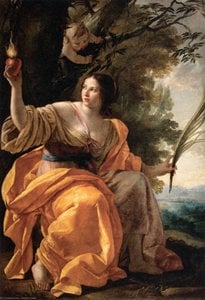
Parnassus or Apollo and the Muses

Simon Vouet's "Parnassus or Apollo & the Muses" (1640) depicts Greek gods and goddesses on Mount Parnassus, a masterpiece of French Baroque art with rich detail and harmonious composition.

Simon Vouet foi um pintor barroco francês que revolucionou a arte francesa ao introduzir o estilo italiano e influenciar gerações de artistas. Conheça suas obras-primas e sua importância na história da pintura.

Giclée / Impressão de Arte

Impressão giclée ou em tela de qualidade de museu, com produção rápida e opções flexíveis de acabamento. ( Encomendar reprodução pintada à mão Ver Imagem Digital)

P118B $10
P118H $10
P118W $10
P438Z $10
P508JH $12
P508YH $12
P805H $10
P805Z $10
P919BZ $10
P919G $10
P919XJ $10
P959ZH $10
P968JZ $12
W106C $8
W218G $10
W218JH $8
W218Y $10
W307PJ $10
W316G $10
W316PJ $8
W316Y $10
W398PJ $8
W4111J $10
W500HY $15
W500JH $15
W692G $12
W849H $8
W940BG $15
W953PJ $8

Padrão
sob medida
CM
INCH

Escolha entre os nossos tamanhos pré-definidos que respeitam as proporções originais da obra de arte.

largura
altura

Você pode inserir suas próprias dimensões para se ajustar a uma moldura ou espaço específico. Se o tamanho selecionado não corresponder às proporções da imagem original, iremos recortar a obra de arte ou estender a imagem com uma borda espelhada ou preenchimento sólido. Um mockup digital será enviado para sua aprovação antes do início da produção.
Por favor, observe que a visualização na tela não reflete o recorte ou a extensão real. Apenas o mockup mostrará com precisão a composição final.
Embora tamanhos personalizados estejam disponíveis, recomendamos selecionar uma dimensão da lista predefinida para preservar as proporções originais.

Entrega mundial () em 2 semanas, em vez das 4/5 semanas padrão. (16 Setembro)

why_choose_icon
Envio expresso gratuito para todo o mundo
why_choose_icon
Tela de Linho Premium
why_choose_icon
Seguro de transporte total
why_choose_icon
Garantia de Reembolso de Impostos Alfandegários
why_choose_icon
Garantia de Fidelidade de Cor
why_choose_icon
Política de Devolução em 100 Dias (Apenas para Defeitos)
why_choose_icon
Garantia de reembolso de 100%
why_choose_icon
Desconto para múltiplas unidades

Preço Total

$ 68

reproduction

Parnassus or Apollo and the Muses

Giclée / Impressão de Arte

Dimensões da Reprodução

-

Preço Total

$ 68

Detalhes Rápidos

  • Title: Parnassus or Apollo and the Muses
  • Year: 1640
  • Medium: Oil on panel
  • Location: Private Collection
  • Artist: Simon Vouet
  • Artistic style: Classicism, Italian Baroque
  • Dimensions: 88 x 221 cm

Teste de Conhecimentos Artísticos

Cada pergunta possui apenas uma resposta correta.

Questão 1:
What is the primary subject depicted in Simon Vouet’s ‘Parnassus or Apollo and the Muses’?
Questão 2:
According to the description, what artistic style is prominently featured in ‘Parnassus or Apollo and the Muses’?
Questão 3:
In the image description, what is emphasized regarding Apollo's pose and expression?
Questão 4:
Simon Vouet was a pivotal figure in the transition of French painting. What period did he primarily work during?
Questão 5:
Based on the provided information, what was Simon Vouet’s role in French art during his career?

A Celestial Gathering: Simon Vouet’s “Parnassus or Apollo and the Muses”

Simon Vouet's "Parnassus or Apollo and the Muses," painted around 1640, isn’t merely a depiction of Greek mythology; it’s an immersive experience—a carefully constructed tableau of intellectual pursuit, divine inspiration, and harmonious beauty. The painting, now housed in collections worldwide, captures a pivotal moment on Mount Parnassus, the legendary home of the Muses – goddesses who preside over arts and sciences. Vouet, a key figure in transitioning French art from Mannerism to the Baroque, masterfully blends Italian influences with his own distinctly French sensibility, creating an image that resonates with both classical grandeur and intimate human connection. The sheer scale of the work—measuring 88 x 221 cm—draws the viewer into this vibrant scene, inviting them to become a silent participant in the gathering.

A Baroque Symphony of Light and Color

Vouet’s technique is characterized by a remarkable realism combined with an idealized elegance – hallmarks of the Baroque style. He employs *sfumato*, a subtle blurring of lines and colors, to create a sense of atmospheric depth and volume, particularly evident in the drapery and the figures themselves. The palette is rich and luminous, dominated by warm earth tones—ochres, siennas, and reds—contrasted with cooler blues and greens that suggest the ethereal quality of Mount Parnassus. Light plays a crucial role; it’s not merely illuminating the scene but actively shaping it, emanating from unseen sources to bathe the figures in a golden glow. This masterful use of light creates an almost theatrical effect, as if we are witnessing a sacred performance. The composition is carefully balanced, with Apollo, the central figure, positioned at the heart of the gathering, radiating authority and artistic inspiration.

The Muses and Their Domains

At the center of this intellectual haven stands Apollo Musagetes, the leader of the Muses, engaged in playing a lyre. Each Muse is depicted with distinct attributes reflecting her specific domain: Calliope, the muse of epic poetry, holds a scroll; Terpsichore, the muse of dance, carries a flute; and Clio, the muse of history, clutches a laurel wreath. The arrangement isn’t random; it represents the interconnectedness of all artistic disciplines. The figures are not simply posed but engaged in conversation and activity—a lively exchange of ideas and creative sparks. Notice the details: the instruments, the books, the gestures – each element contributes to the painting's narrative richness. The inclusion of musical instruments underscores the importance of music as a source of inspiration for all the arts.

Symbolism and the Pursuit of Knowledge

“Parnassus or Apollo and the Muses” is laden with symbolism, reflecting the Renaissance fascination with classical learning and the pursuit of knowledge. Mount Parnassus itself represents the highest point of intellectual achievement—a place where inspiration flows freely. The gathering embodies the ideal of *studia humanitatis* – the study of humanities – a cornerstone of Renaissance education. Apollo’s role as the patron of the arts reinforces this theme, suggesting that artistic creation is divinely inspired and fundamentally linked to reason and intellect. The painting isn't just about beautiful imagery; it’s a meditation on the nature of creativity, the importance of learning, and the enduring power of human imagination.

A Timeless Masterpiece for Reflection and Inspiration

Vouet’s “Parnassus or Apollo and the Muses” remains a profoundly moving work of art. Its harmonious composition, luminous colors, and rich symbolism continue to captivate viewers centuries after its creation. Whether admired as a historical document, a technical masterpiece, or simply a beautiful image, it serves as a potent reminder of the enduring value of knowledge, creativity, and the pursuit of beauty in all its forms. Reproductions of this painting offer an opportunity to bring this celestial gathering into any space, fostering contemplation and inspiring a deeper appreciation for the arts.

Biografia do Artista

Simon Vouet: O Pioneiro da Pintura Barroca Francesa

Simon Vouet emerge como uma figura crucial na transição da pintura francesa do Maneirismo para o vibrante estilo Barroco. Nascido em Paris, em 1590, numa família já dedicada às artes – seu pai, Laurent, era pintor e seu irmão, Aubin, também trilhou esse caminho artístico – Vouet recebeu uma formação inicial sólida que lançou as bases para sua futura ascensão. A continuidade da tradição familiar seria assegurada por seu neto, Ludovico Dorigny, perpetuando o legado artístico da família.

Os Primeiros Passos e a Influência Italiana (1608-1627)

A carreira de Vouet floresceu inicialmente através do retrato, demonstrando um talento precoce para capturar a essência dos seus modelos. Aos meros 14 anos, já se aventurava por terras estrangeiras, viajando para a Inglaterra a convite para pintar um retrato encomendado, sinalizando o reconhecimento crescente de seu nome. Em 1611, acompanhou o Barão de Sancy, embaixador francês no Império Otomano, numa jornada que o levou através de Constantinopla e, posteriormente, à encantadora Veneza em 1612. Roma, contudo, provou ser um ponto de inflexão transformador em sua trajetória artística. Durante os treze anos que passou na cidade, imergiu-se no fervilhante cenário artístico do período Barroco nascente.

Sua estadia italiana foi uma verdadeira imersão em diversas influências artísticas. Vouet estudou avidamente as técnicas inovadoras de iluminação dramática de Caravaggio, abraçou elementos do Maneirismo italiano e analisou meticulosamente as paletas de cores e a perspectiva di sotto in su (perspectiva caputexta) magistralmente utilizada por Paolo Veronese. A inspiração também veio das obras dos irmãos Carracci, Guercino, Lanfranco e Guido Reni, sintetizando essas diversas influências num estilo único e pessoal.

A Formação de um Estilo Distintivo

O reconhecimento de Vouet em Roma culminou com sua eleição como presidente da prestigiosa Accademia di San Luca em 1624, uma prova incontestável de sua habilidade e prestígio no mundo da arte italiana. Seu estilo se caracterizava pela capacidade singular de absorver e refinar diversas influências artísticas, não apenas copiando, mas integrando-as numa estética Barroca distintamente italianizante. Ao retornar à França em 1627, desempenhou um papel crucial na introdução do estilo Barroco italiano à pintura francesa, impactando profundamente a paisagem artística do país.

O Auge e o Legado

A nomeação como Premier peintre du Roi (Primeiro Pintor do Rei) coroou sua carreira, conferindo-lhe prestígio e influência consideráveis. Vouet manteve um ateliê vasto e ativo, formando inúmeros artistas que moldariam a geração seguinte de pintores franceses. Entre seus alunos mais influentes destacam-se Charles Le Brun (que posteriormente organizou toda a pintura decorativa em Versalhes), Valentin de Boulogne, Charles Alphonse du Fresnoy, Pierre Mignard, Eustache Le Sueur e Claude Mellan. Sua influência se estende além de suas próprias obras; seus alunos disseminaram seu estilo e técnicas por toda a França, estabelecendo uma escola de pintura barroca distintamente francesa. A marca de Vouet é particularmente evidente nos grandiosos esquemas decorativos encomendados por Luís XIV.

Significado Histórico

O legado de Simon Vouet reside em seu papel fundamental como ponte entre a arte italiana e a francesa. Ele conseguiu importar com sucesso o dinamismo e a grandiosidade do Barroco italiano, transformando-o num estilo que ressoava com os gostos da corte e da aristocracia francesas. Sua influência é inegável no desenvolvimento da pintura francesa durante o século XVII, e suas contribuições continuam sendo reconhecidas por historiadores de arte até hoje.

Simão Vouet

Simão Vouet

1590 - 1649 , França

Informações Rápidas

  • Artistas Influenciados:
    • Charles Le Brun
    • Valentin de Boulogne
  • Artistas Que Influenciaram:
    • Caravaggio
    • Paolo Veronese
    • Guercino
  • Data De Falecimento: 30 de junho de 1649
  • Data De Nascimento: 9 de janeiro de 1590
  • Local De Nascimento: Paris, França
  • Movimento Artístico: Pintura Barroca
  • Nacionalidade: Francês
  • Nome Completo: Simon Vouet
Explore obras de arte organizadas por temas, estilos e características.