Visualizar na parede Visualizar em RA Comprar pintura feita à mão Alternar para Imagem Digital Compartilhar
Detalhes Guia Adicionar aos favoritos Baixar imagem Semelhantes Raio X Ver diaporama Estatísticas

Sem título

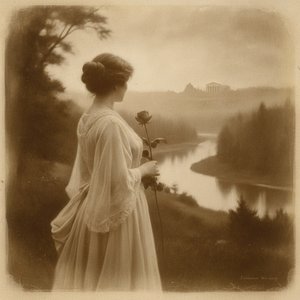
Uma obra provocadora de Shi Xinning que desafia a história ao inserir Mao Zedong em imagens icônicas do século XX, explorando temas de poder e cultura com ironia e maestria artística.

Discover Shi Xinning's captivating art: historical paintings reimagined with Mao Zedong inserted into iconic 20th-century photos, blending social realism & cultural commentary.

A obra de arte exibida nesta página é protegida por leis de direitos autorais, o que significa que não podemos criar ou vender legalmente uma reprodução idêntica. Esta proteção é aplicada por meio de acordos internacionais, tais como a Convenção de Berna e pelas leis nacionais, incluindo as estabelecidas por Lei de Direitos Autorais dos EUA - Título 17.

Este método cumpre plenamente as regulamentações de direitos autorais, pois não envolve a cópia ou duplicação da obra protegida. Em vez disso, trata-se de uma reinterpretação criativa — uma nova pintura que é influenciada pela original, mas não idêntica a ela.

Giclée / Impressão de Arte

Impressão giclée ou em tela de qualidade de museu, com produção rápida e opções flexíveis de acabamento. ( Comprar pintura feita à mão Alternar para Imagem Digital)

Corner sample of the P118B picture frame: poliestireno moldado, 5 cm wide and 3 cm thick
P118B €10
Corner sample of the P118H picture frame: poliestireno moldado, 5 cm wide and 3 cm thick
P118H €10
Corner sample of the P118W picture frame: poliestireno moldado, 5 cm wide and 3 cm thick
P118W €10
Corner sample of the P438Z picture frame: poliestireno moldado, 5.5 cm wide and 3.5 cm thick
P438Z €10
Corner sample of the P508JH picture frame: poliestireno moldado, 7 cm wide and 3.5 cm thick
P508JH €12
Corner sample of the P508YH picture frame: poliestireno moldado, 7 cm wide and 3.5 cm thick
P508YH €12
Corner sample of the P805H picture frame: poliestireno moldado, 5 cm wide and 3.5 cm thick
P805H €10
Corner sample of the P805Z picture frame: poliestireno moldado, 5 cm wide and 3.5 cm thick
P805Z €10
Corner sample of the P919BZ picture frame: poliestireno moldado, 7 cm wide and 3.5 cm thick
P919BZ €10
Corner sample of the P919G picture frame: poliestireno moldado, 7 cm wide and 3.5 cm thick
P919G €10
Corner sample of the P919XJ picture frame: poliestireno moldado, 7 cm wide and 3.5 cm thick
P919XJ €10
Corner sample of the P959ZH picture frame: poliestireno moldado, 5 cm wide and 3 cm thick
P959ZH €10
Corner sample of the P968JZ picture frame: poliestireno moldado, 6 cm wide and 4 cm thick
P968JZ €12
Corner sample of the W106C picture frame: madeira maciça, 5 cm wide and 3 cm thick
W106C €8
Corner sample of the W218G picture frame: madeira maciça, 5 cm wide and 3 cm thick
W218G €10
Corner sample of the W218JH picture frame: madeira maciça, 5 cm wide and 3 cm thick
W218JH €8
Corner sample of the W218Y picture frame: madeira maciça, 5 cm wide and 3 cm thick
W218Y €10
Corner sample of the W307PJ picture frame: madeira maciça, 6 cm wide and 3 cm thick
W307PJ €10
Corner sample of the W316G picture frame: madeira maciça, 6 cm wide and 3 cm thick
W316G €10
Corner sample of the W316PJ picture frame: madeira maciça, 6 cm wide and 3 cm thick
W316PJ €8
Corner sample of the W316Y picture frame: madeira maciça, 6 cm wide and 3 cm thick
W316Y €10
Corner sample of the W398PJ picture frame: madeira maciça, 5 cm wide and 3 cm thick
W398PJ €8
Corner sample of the W4111J picture frame: madeira maciça, 6.5 cm wide and 3.5 cm thick
W4111J €10
Corner sample of the W500HY picture frame: madeira maciça, 7 cm wide and 5 cm thick
W500HY €15
Corner sample of the W500JH picture frame: madeira maciça, 7 cm wide and 5 cm thick
W500JH €15
Corner sample of the W692G picture frame: madeira maciça, 8 cm wide and 4 cm thick
W692G €12
Corner sample of the W849H picture frame: madeira maciça, 5 cm wide and 3 cm thick
W849H €8
Corner sample of the W940BG picture frame: madeira maciça, 7.5 cm wide and 4.5 cm thick
W940BG €15
Corner sample of the W953PJ picture frame: madeira maciça, 6 cm wide and 3.5 cm thick
W953PJ €8

Tamanho padrão
personalizado
CM
INCH

Escolha entre os nossos tamanhos pré-definidos que respeitam as proporções originais da obra de arte.

largura
altura

Insira a largura e a altura desejadas para se ajustarem à sua moldura ou parede. Uma impressão pode ser apenas cortada, nunca ampliada além da imagem original; portanto, um tamanho com proporções diferentes resultará na perda de parte da imagem. Enviamos uma maquete digital para sua aprovação antes de realizarmos a impressão. A imagem exibida nesta página não mostra o corte real — apenas a maquete o faz.

Entrega mundial () em 2 semanas, em vez das 4/5 semanas padrão. (28 Outubro)

Envio expresso gratuito para todo o mundo
Tela de Linho de Alta Qualidade
Seguro de transporte completo
Garantia de Reembolso de Impostos Alfandegários
Garantia de Fidelidade Cromática
Política de Devolução em 100 Dias (Apenas para Defeitos)
Garantia de reembolso de 100%
Oferta de desconto por quantidade

Preço Total

€ 60

Sem título

Giclée / Impressão de Arte

Tamanho da Reprodução

-

Preço Total

€ 60

Informações Rápidas

  • Movimento: Arte Contemporânea Chinesa
  • Artista: Shi Xinning
  • Tema: Iconografia XX Século
  • Dimensões: Desconhecidas
  • Ano: 1969
  • Localização: Lu Xun Academy of Fine Arts

Uma Reimaginação Subversiva da História: A Arte de Shi Xinning

Shi Xinning é um artista chinês contemporâneo cuja obra desafia constantemente as percepções tradicionais sobre o passado, utilizando uma abordagem inovadora que combina elementos históricos com uma estética visual marcante. Sua trajetória artística é marcada por uma profunda conexão com o contexto político e social da China pós-libertação, influenciando diretamente seu estilo único e suas mensagens artísticas.

  • Estilo Singular: Shi Xinning se destaca pela inserção audaciosa de Mao Zedong em fotografias icônicas do século XX. Essa prática não é apenas uma questão estilística; é um ato deliberado de revisão histórica, carregado de ironia e comentários culturais que provocam reflexões sobre o poder da imagem e a narrativa dominante.
  • Técnica Apurada: Sua maestria técnica reside na combinação entre métodos tradicionais chineses de pintura e técnicas modernas de fotografia digital. Ele emprega uma abordagem meticulosa para criar obras que capturam tanto a beleza estética quanto a força comunicativa desejada.

A escolha de Mao Zedong como figura central em imagens famosas representa um ponto crucial na obra de Shi Xinning. Essa estratégia permite ao artista explorar temas como controle estatal, propaganda e o impacto da ideologia política na cultura visual. Além disso, a utilização de técnicas fotográficas avançadas garante que as obras sejam reproduzidas com alta qualidade, preservando os detalhes originais e transmitindo a emoção capturada pelo artista.

  • Simbolismo Profundo: O uso de símbolos como flores de cerejeira – frequentemente associadas à beleza efêmera da vida e à passagem do tempo – adiciona camadas significativas à obra. Essas imagens evocam uma sensação de nostalgia e contemplação sobre a história, convidando o espectador a considerar diferentes perspectivas sobre eventos importantes.
  • Contexto Histórico: Shi Xinning está inserido em um período histórico marcado por mudanças políticas e sociais significativas na China contemporânea. Sua arte reflete essa dinâmica, oferecendo uma crítica inteligente às instituições de poder e promovendo uma discussão aberta sobre questões relacionadas à identidade nacional e à memória coletiva.

Em suma, a obra de Shi Xinning transcende o mero registro visual do passado, transformando-o em matéria prima para uma reflexão artística que busca estimular o pensamento crítico e inspirar novas interpretações sobre a história da China. Sua abordagem inovadora e seu estilo único garantem que sua arte continue relevante e emocionante para artistas e amantes da cultura contemporânea.

Perguntas e Respostas

"Sem título", de Shi Xinning é uma obra de arte conhecida?

O nível de popularidade registrado para "Sem título", de Shi Xinning é Icônico.

Qual uso e espaço são recomendados para "Sem título", de Shi Xinning?

"Sem título" é sugerida para Ponto de cor, e o espaço recomendado é um(a) Sala de Estar.

Qual tamanho de impressão de "Sem título", de Shi Xinning se adequa ao ambiente recomendado?

Para um(a) Sala de Estar, sugere-se que "Sem título" seja impresso no tamanho Grande.


Biografia do Artista

A Subversive Reimagining of History: The Art of Shi Xinning

Born in 1969 in Yingkou, China, to parents serving within the People’s Liberation Army, Shi Xinning's artistic trajectory is deeply interwoven with the socio-political currents of his homeland. His upbringing instilled a unique perspective, one that would later manifest in a compelling body of work challenging conventional historical narratives. Formal training at the Lu Xun Academy of Fine Arts in Shenyang provided him with a solid technical foundation, but it was the decade following his graduation in 1990 that proved crucial in honing his distinctive artistic voice. Initially exploring various avenues, Shi Xinning eventually arrived at the signature style for which he is now celebrated: the audacious insertion of Mao Zedong into iconic photographs from the 20th century. This wasn’t merely a stylistic choice; it was a deliberate act of historical revisionism, imbued with layers of irony and cultural commentary.

Blending Realism and Anachronism

Shi Xinning's artistic approach is characterized by a masterful blend of social realism and European art influences. He doesn’t simply paint portraits; he constructs elaborate scenarios, meticulously recreating the atmosphere and aesthetic of historical moments before subtly – yet powerfully – introducing Mao Zedong as an unexpected participant. The effect is often jarring, even humorous, forcing viewers to confront the incongruity of his presence. This deliberate disruption isn't intended as a simple provocation but rather as a catalyst for deeper reflection on history, memory, and power dynamics. His palette predominantly favors black and white, occasionally accented with sepia tones, deliberately evoking the look of historical press photography or aged newsprint. This stylistic choice reinforces the sense of authenticity while simultaneously highlighting the fabricated nature of his interventions. Mao and McCarthy, for example, presents a surreal juxtaposition – Mao observing the HUAC hearings, an image that immediately challenges established ideological boundaries. Similarly, Yalta reimagines the pivotal conference with Mao seated amongst Roosevelt and Churchill, questioning alternative geopolitical outcomes.

Themes of Isolation, Eurocentrism, and Alternative Histories

At the heart of Shi Xinning’s work lies a complex exploration of several interconnected themes. He grapples with China's historical isolationism, particularly its relationship with the West, and critiques Western Eurocentrism by subtly suggesting alternative trajectories for global events. His paintings often pose a provocative question: what if China had not followed its chosen path? What if Mao Zedong had been a participant – or even an influencer – in key moments of 20th-century history? These aren’t presented as definitive answers but rather as thought experiments, inviting viewers to reconsider their understanding of the past. The recurring motif of inserting Mao into impossible scenarios serves as a commentary on the potential for different outcomes and the constructed nature of historical narratives. His work isn't about glorifying Mao; it’s about using his image as a symbolic tool to deconstruct established power structures and challenge conventional wisdom.

Recognition and Legacy

Shi Xinning’s innovative approach has garnered significant international recognition, with exhibitions at prestigious venues including the Kunstmuseum Bern, Marella Gallery Milan, and Fondazione Carisbo Bologna. He is currently represented by leading galleries in Beijing, Milan, Shanghai, and Berlin, solidifying his position within the contemporary art world. His paintings have also achieved considerable commercial success, demonstrating a growing appreciation for his unique vision. Mao and McCarthy, valued between $50,000 and $70,000 in 2007, and Yalta, fetching between $98,020 and $137,227 in 2008, are testaments to the market’s recognition of his artistic merit. Furthermore, he has been featured in prominent publications such as “China Art Book” and "The 80 Most Renowned Chinese Artists," cementing his legacy as a significant figure in contemporary Chinese art. His work continues to provoke dialogue and inspire critical thinking about history, identity, and the enduring power of images.

Continuing Influence

Shi Xinning’s contribution extends beyond mere aesthetic innovation; he has opened up new avenues for exploring historical representation and challenging established narratives. He demonstrates how art can serve as a powerful tool for questioning authority, deconstructing ideologies, and prompting viewers to engage with the past in a more critical and nuanced way. His work resonates particularly strongly in an era marked by increasing globalization and a growing awareness of diverse perspectives. By subtly subverting familiar images, Shi Xinning compels us to look beyond the surface and consider the hidden layers of meaning embedded within our collective memory.
  • Born: Yingkou, China (1969)
  • Education: Lu Xun Academy of Fine Arts, Shenyang
  • Signature Style: Inserting Mao Zedong into iconic 20th-century photographs.

Shi Xinning

Shi Xinning

1969 - , China

Dados Rápidos

  • Artistic Movement Or Style: Social Realism, European styles
  • Artists Who Influenced This Artist:
    • Social Realism
    • European Art Styles
  • Date Of Birth: 1969
  • Full Name: Shi Xinning
  • Nationality: Chinese
  • Notable Artworks:
    • Duchamp Retrospective Exhibition
    • Mao and McCarthy
    • Yalta
  • Place Of Birth: Yingkou, China
Explore obras de arte organizadas por temas, estilos e características.