Visualizar na paredeVisualizar na parede Ver em RAVer em RA Alternar para Impressão Alternar para ImpressãoAlternar para Imagem Digital Alternar para Imagem Digital CompartilharCompartilhar
DetalhesDetalhes Adicionar aos favoritos Adicionar aos favoritos Baixar imagemBaixar imagem SemelhantesSemelhantes Raio XRaio X SlideshowSlideshow EstatísticasEstatísticas

La fuite en Egypte

Explore Sébastien Bourdon's 17th-century French art! Master of portraiture & dramatic scenes, known for his Caravaggio influence & works like 'The Crucifixion'. Discover his legacy!

Explore a arte francesa de Sébastien Bourdon do século XVII! Mestre do retrato e de cenas dramáticas, conhecido pela influência de Caravaggio e obras como 'A Crucificação'. Descubra o seu legado!

Reprodução em Óleo Feita à Mão

Óleo sobre tela pintado à mão no tamanho e moldura de sua escolha, feito sob encomenda pelos nossos artistas. (Alternar para Impressão Alternar para ImpressãoAlternar para Imagem Digital Alternar para Imagem Digital)

P118B $10
P118H $10
P118W $10
P438Z $10
P508JH $12
P508YH $12
P805H $10
P805Z $10
P919BZ $10
P919G $10
P919XJ $10
P959ZH $10
P968JZ $12
W106C $8
W218G $10
W218JH $8
W218Y $10
W307PJ $10
W316G $10
W316PJ $8
W316Y $10
W398PJ $8
W4111J $10
W500HY $15
W500JH $15
W692G $12
W849H $8
W940BG $15
W953PJ $8

Tamanho padrão
personalizado
CM
INCH

Escolha entre os nossos tamanhos pré-definidos que respeitam as proporções originais da obra de arte.

largura
altura

Pode inserir as suas próprias dimensões para se adequar a uma moldura ou espaço específico. Se o tamanho selecionado não corresponder às proporções da imagem original, iremos cortar a obra de arte ou estender a pintura com elementos adicionais pintados à mão. Um esboço digital será enviado para sua aprovação antes do início da produção.
Tenha em atenção que a pré-visualização no ecrã não reflete o corte ou extensão real. Apenas o esboço mostrará com precisão a composição final.
Embora tamanhos personalizados estejam disponíveis, recomendamos selecionar uma dimensão da lista predefinida para preservar as proporções originais.

Exemplos do que pode ser personalizado: Substituir o rosto pela foto do cliente; Adicionar um animal de estimação (ex: substituir gato por cão); Incluir uma mensagem oculta no fundo; Alterar a paisagem ou elementos do fundo.
Após o pedido, a equipa WahooArt.com enviará um e-mail ao cliente para solicitar instruções e fornecer uma prévia do esboço.

Entrega mundial () em 3 a 4 semanas, em vez das 5 semanas padrão. (11 Setembro). Sem comprometer a qualidade.

why_choose_icon
Envio expresso gratuito para todo o mundo
why_choose_icon
Tela de Linho de Alta Qualidade
why_choose_icon
Seguro de transporte completo
why_choose_icon
Garantia de Reembolso de Impostos Alfandegários
why_choose_icon
Garantia de Fidelidade Cromática
why_choose_icon
Política de Devolução de 100 Dias (Apenas Defeitos)
why_choose_icon
Garantia de reembolso de 100%
why_choose_icon
Oferta de desconto por quantidade

Preço Total

$ 322

reproduction

La fuite en Egypte

Técnica de Reprodução

Tamanho da Reprodução

-

Preço Total

$ 322

Informações Rápidas

  • Artist: Sébastien Bourdon
  • Dimensions: 97 x 130,7 cm
  • Influences:
    • Nicolas Poussin
    • Claude Lorrain
  • Artistic style: Dramatic composition; Rich colors
  • Subject or theme: Religious
  • Title: La fuite en Egypte
  • Notable elements or techniques: Atmospheric perspective; Soft brushstrokes

Quiz de Arte

Cada pergunta possui apenas uma resposta correta.

Pergunta 1:
What artistic movement is Sébastien Bourdon’s ‘La Fuite en Egypte’ primarily associated with?
Pergunta 2:
The painting depicts a biblical story about:
Pergunta 3:
What is Bourdon’s style known for?
Pergunta 4:
Where did Bourdon spend a significant portion of his artistic career?
Pergunta 5:
What type of painting is ‘La Fuite en Egypte’?

A Divine Journey Through Light and Shadow

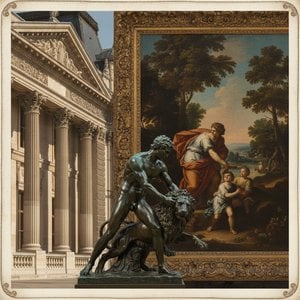
In the heart of the seventeenth century, Sébastien Bourdon captured a moment of profound spiritual urgency and celestial peace in his masterpiece, La Fuite en Égypte. This evocative work, completed between 1644 and 1645, serves as a breathtaking window into the Baroque era, where the tension between earthly struggle and divine intervention is rendered with unparalleled emotional depth. The painting depicts the Holy Family’s desperate flight from the tyranny of Herod, yet Bourdon transcends the mere recording of a biblical event to create an immersive atmosphere that feels both intimate and monumental. As viewers encounter this scene, they are drawn into a landscape where the ruggedness of the desert meets the ethereal glow of the heavens, making it a captivating centerpiece for any collection dedicated to the grandeur of classical art.

The composition is a masterclass in Baroque equilibrium, utilizing a triangular arrangement that guides the eye through a narrative of protection and grace. On the left, Joseph strides forward with a resolute gaze, his staff held high as a symbol of paternal authority and steadfast guardianship. His figure provides a grounded, earthly weight to the scene, contrasting beautifully with the delicate presence of Mary. Seated upon a grey ass, her posture radiates a poignant blend of humility and vulnerability. Nestled within her arms, the infant Jesus is swathed in vibrant crimson fabric—a deliberate stroke of color by Bourdon that draws the eye immediately to the heart of the painting, symbolizing both the sacrificial nature of his destiny and the purity of his innocence.

The Alchemy of Technique and Atmosphere

Bourdon’s technical prowess is most evident in his use of atmospheric perspective, a technique that breathes life into the vast, hazy distance of the Egyptian wilderness. The background dissolves into muted greens, browns, and soft greys, creating a palpable sense of depth that pulls the observer into the far reaches of the horizon. This sense of space is balanced by the meticulous layering of oil paints, which allows for a rich, painterly texture. One can almost feel the weight of the drapery and the warmth of the sun-drenched landscape. The lighting is particularly transformative; a soft, diffused radiance seems to descend from an unseen celestial source, illuminating the faces of the Holy Family and casting gentle shadows that lend a three-dimensional realism to the figures.

Adding a layer of supernatural wonder to the composition are the two hovering angels, whose luminous wings act as beacons of divine reassurance. One angel carries a banner adorned with delicate floral motifs, representing the blossoming of grace amidst the desolation of flight. This interplay between the heavy, earthy tones of the terrain and the light, airy presence of the divine creates a rhythmic tension that is quintessential to the Baroque style. For the discerning collector or interior designer, this painting offers more than just visual beauty; it provides a sophisticated narrative element that can anchor a room with its complex textures, rich color palette, and timeless emotional resonance.

A Legacy of Devotion and Artistry

Beyond its aesthetic brilliance, La Fuite en Égypte is steeped in the theological and historical currents of Bourdon’s time. As a painter who navigated the stylistic influences of masters like Caravaggio and Poussin, Bourdon infused this work with a unique visual language that speaks to both the drama of human suffering and the hope of divine providence. The symbolism is layered: the ass serves as a humble companion to the journey, while the very landscape reflects the arduous path of faith. To possess a high-quality reproduction of this work is to invite a piece of art history into one's space—a piece that continues to inspire awe through its masterful command of light, its profound psychological depth, and its enduring ability to stir the human soul.


Biografia do Artista

Um Mestre da Luz e da Versatilidade: A Vida de Sébastien Bourdon

Sébastien Bourdon (1616–1671) permanece como uma das figuras mais cativantes e multifacetadas do Barroco francês do século XVII. Nascido em Montpellier, no seio de uma família de artistas protestantes, sua vida precoce foi moldada pelas vibrantes, embora muitas vezes turbulentas, tradições artísticas do sul da França. Sua jornada, de um jovem aprendiz a um membro fundamental da Académie Royale de Peiente et de Sculpture, é um testemunho de um intelecto profundo e inquieto, além de uma capacidade inigualável de absorver as correntes estilísticas da Europa. Após o treinamento inicial em Paris, o caminho de Bourdon o levou por Bordeaux e Toulouse antes de alcançar o coração espiritual e artístico do continente: Roma. Foi na Itália que seu talento verdadeiramente se incendiou, ao mergulhar nas obras de mestres como Caravaggio, Nicolas Poussin e Claude Lorrain. Este período de estudo intenso permitiu-lhe desenvolver uma linguagem visual única — capaz de oscilar entre o realismo dramático e cru dos Caravaggisti e a elegância clássica e luminosa da escola veneziana.

A Evolução do Estilo e da Técnica

O que verdadeiramente distingue a obra de Bourdon é sua notável fluidez estilística, uma qualidade que, por vezes, despertou tanto admiração quanto críticas de seus contemporâneos. Seu desenvolvimento foi marcado por uma série de encontros transformadores com diferentes tradições europeias. Após uma visita crucial a Veneza, sua paleta passou por uma metamorfose profunda; os contrastes mais marcantes de seu treinamento inicial deram lugar a um uso da cor mais rico e atmosférico, inspirado pelos mestres venezianos. Essa evolução permitiu-lhe navegar com maestria entre gêneros díspares. Em sua retratística, ele frequentemente adotava uma abordagem rubensiana ou favorecia composições íntimas de busto que capturavam a profundidade psicológica e a elegância de seus modelos, como a nobre sueca em Condessa Ebba Sparre. Por outro lado, suas obras religiosas utilizavam um chiaroscuro dramático para evocar o temor espiritual, mais notavelmente em sua obra-prima monumental, A Crucificação de São Pedro, criada para a catedral de Notre Dame.


Legado e Significância Histórica

Para além de suas telas individuais, Bourdon desempenhou um papel crucial na institucionalização da arte francesa. Como cofundador da Academia Real em 1648, ele ajudou a estabelecer os padrões de excelência que definiriam a pintura francesa por gerações. Sua carreira também foi caracterizada por uma extraordinária amplitude de serviço; sua reputação como um retratista de primeira linha levou-o à corte da Rainha Cristina da Suécia, onde serviu como pintor da corte, levando a estética sofisticada de Paris e Roma para Estocolmo. Seja retratando a tensão angustiante de Moisés e a Serpente de Bronze ou a grandeza serena de paisagens clássicas, o trabalho de Bourdon encarna o espírito dual da era Barroca: o drama emocional intenso da condição humana e a busca intelectual e equilibrada pela beleza clássica. Sua habilidade em sintetizar as tradições naturalistas da França com os estilos monumentais da Itália garante seu lugar duradouro no panteão da história da arte europeia.
Sébastien Bourdon

Sébastien Bourdon

1616 - 1671 , França

Dados Rápidos

  • Artistic Movement Or Style: Barroco
  • Artists Or Movements Influenced By This Artist: ['Arte Barroca Francesa']
  • Artists Who Influenced This Artist:
    • Nicolas Poussin
    • Claude Lorrain
    • Caravaggio
  • Date Of Birth: 2 de fevereiro de 1616
  • Date Of Death: 8 de maio de 1671
  • Full Name: Sébastien Bourdon
  • Nationality: Francês
  • Notable Artworks:
    • A Crucificação de São Pedro
    • A Deposição
  • Place Of Birth: Montpellier, França