Early Life and Florentine Beginnings
Sandro Botticelli, nascido Alessandro di Mariano di Vanni Filipepi por volta de 1445 em Florença, Itália, emergiu durante um período de extraordinária fermentação cultural – o Renascimento Inicial. Sua vida foi profundamente enraizada na tapeçaria artística e social da cidade; ele nunca se afastou muito de seu bairro de Ognissanti, um testemunho tanto de laços familiares quanto do vibrante ecossistema criativo que lhe proporcionou sustento. Seu pai, Mariano Filipepi, inicialmente um ourives e posteriormente um rendeiro, ofereceu uma exposição precoce à habilidade artesanal e ao detalhe meticuloso – qualidades que influenciaram profundamente a abordagem artística de Botticelli. Embora relatos iniciais sugerissem treinamento como ourives, logo encontrou sua vocação sob a tutela de Fra Filippo Lippi, um pintor proeminente da época. Essa aprendizagem foi fundamental, imergindo-o nas técnicas e estética da escola florentina, ao mesmo tempo em que o conectava com mecenas influentes como a família Médici.
Um Estilo Definido por Graça e Mito
O estilo artístico de Botticelli é instantaneamente reconhecível por sua beleza lírica, caracterizada por linhas elegantes, contornos fluidos e um uso delicado da cor. Ele dominou a lacuna entre as tradições góticas tardias e o emergente estilo renascentista, absorvendo influências de mestres como Fra Angelico e Paolo Uccello, mas forjando uma visão singularmente pessoal. Seus personagens possuem uma qualidade etérea, frequentemente retratados com proporções alongadas e poses graciosas que transmitem serenidade e uma sutil melancolia. Uma característica definidora de seu trabalho é a incorporação frequente da mitologia clássica – um reflexo dos interesses humanistas que varriam Florença renascentista. Ele não apenas ilustrava essas narrativas antigas; ele imbui-las com novas camadas de significado, explorando temas de amor, beleza e anseio espiritual. A técnica de Botticelli foi inovadora para a época. Frequentemente empregava um desenho em prata sob uma camada de pintura, contribuindo para a luminosidade e o detalhe delicado vistos em suas obras finalizadas. Seu uso da tinta tempera permitiu uma renderização precisa e cores vibrantes, enquanto seus experimentos posteriores com tintas a óleo ampliaram suas possibilidades expressivas.
Desenvolvimento Artístico e Principais Obras
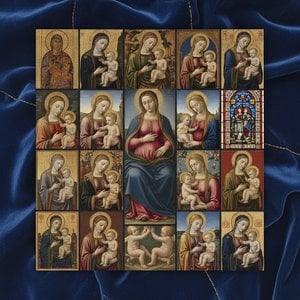
A jornada artística de Botticelli se desenrolou em fases distintas. Os anos 1470 iniciais viram-no concentrar-se em temas religiosos, aperfeiçoando suas habilidades técnicas e estabelecendo uma reputação por execução habilidosa. A década de 1480 marcou o auge de seus poderes criativos, com a criação de seus mais famosos quadros mitológicos, juntamente com muitas de suas Madonas famosas. No entanto, os anos 1490 testemunharam uma mudança em seu estilo, influenciada pela fervorosa pregação de Girolamo Savonarola – um frade dominicano que condenava o que ele via como a decadência e a corrupção moral de Florença. Este período resultou em obras mais austéricas e carregadas de emoção, refletindo uma crescente intensidade espiritual. A obra-prima *A Batalha de Anghiari*, embora perdida, demonstra essa mudança.
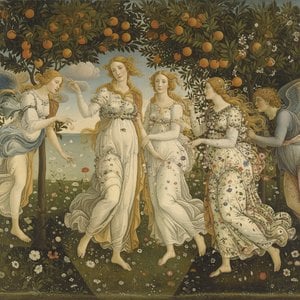
Botticelli alcançou reconhecimento com duas obras que se tornaram símbolos do Renascimento: *O Nascimento de Vênus* (c. 1486) e *Primavera* (c. 1482). *O Nascimento de Vênus* é uma representação alegórica da deusa Vênus emergindo de uma concha, personificando os ideais renascentistas de beleza e harmonia. Sua composição graciosa, paleta de cores delicada e simbolismo evocativo a tornaram um símbolo duradouro da era. *Primavera*, criada por volta de 1482, é um quadro complexo e enigmático que celebra a primavera e o amor, povoado por figuras simbólicas retiradas da mitologia clássica. Essas obras demonstram o domínio de Botticelli da composição, sua capacidade de criar profundidade atmosférica e sua compreensão profunda das emoções humanas.
Legado e Redescoberta
Após sua morte em 1510, a reputação de Botticelli gradualmente desapareceu, obscurecida pelos feitos dos mestres do Renascimento Alto como Leonardo da Vinci e Michelangelo. Por quase três séculos, sua obra foi largamente esquecida, eclipsada pelas conquistas dos mestres do Renascimento Alto. No entanto, uma redescoberta notável ocorreu no final do século XIX com o surgimento da Irmandade Pré-Rafaelita – um grupo de artistas ingleses que rejeitaram as convenções acadêmicas e buscaram inspiração na arte do início do Renascimento italiano. Eles foram cativados pela graça linear, cores vibrantes e sensibilidade poética de Botticelli, reconhecendo-o como um espírito semelhante. Esta nova apreciação desencadeou uma reavaliação geral de sua obra, estabelecendo-o como um dos artistas mais importantes do Renascimento Inicial. Hoje, Botticelli é celebrado por sua visão artística única, sua técnica magistral e sua capacidade duradoura de evocar beleza, emoção e contemplação espiritual. Sua influência pode ser vista nas gerações posteriores de artistas que buscaram capturar o mesmo senso de graça e elegância em seu próprio trabalho. Ele permanece um símbolo do alcance artístico de Florença e um testemunho do poder do humanismo renascentista.
Principais Obras
- O Nascimento de Vênus (c. 1486): Uma representação icônica da deusa Vênus, personificando os ideais renascentistas de beleza e harmonia.
- Primavera (c. 1482): Um quadro complexo e alegórico que celebra a primavera e o amor.
- A Batalha de Anghiari (c. 1482-1490): Uma grande obra perdida, mas que demonstra a ambição de Botticelli em pintar murais monumentais.
- Adoração dos Magos (1475-1476): Demonstra o domínio inicial de Botticelli da composição e perspectiva.
- A Natividade Mística (1501): Reflete uma mudança para temas espirituais em sua obra tardia.



 Visualizar em escala
 Alternar para Impressão
 Enviar
 Compartilhar
 Ver detalhes

 Baixar imagem
 Semelhantes
 Raio X
 Apresentação de slides
 Estatísticas

 Ver mais






































 A opção de vidro está disponível apenas para tamanhos inferiores a 110 cm