

A obra de arte exibida nesta página é protegida por leis de direitos autorais, o que significa que não podemos criar ou vender legalmente uma reprodução idêntica. Esta proteção é aplicada por meio de acordos internacionais, tais como a Convenção de Berna e pelas leis nacionais, incluindo as estabelecidas por Lei de Direitos Autorais dos EUA - Título 17.
Este método cumpre plenamente as regulamentações de direitos autorais, pois não envolve a cópia ou duplicação da obra protegida. Em vez disso, trata-se de uma reinterpretação criativa — uma nova pintura que é influenciada pela original, mas não idêntica a ela.
Impressão giclée ou em tela de qualidade de museu, com produção rápida e opções flexíveis de acabamento. ( Comprar pintura feita à mão Alternar para Imagem Digital)
Escolha entre os nossos tamanhos pré-definidos que respeitam as proporções originais da obra de arte.

Insira a largura e a altura desejadas para se ajustarem à sua moldura ou parede. Uma impressão pode ser apenas cortada, nunca ampliada além da imagem original; portanto, um tamanho com proporções diferentes resultará na perda de parte da imagem. Enviamos uma maquete digital para sua aprovação antes de realizarmos a impressão. A imagem exibida nesta página não mostra o corte real — apenas a maquete o faz.
Entrega mundial () em 2 semanas, em vez das 4/5 semanas padrão. (12 Novembro)
Prototype for a laced shoe
Tamanho da Reprodução
Prototype for a laced shoe is a prototype created by Salvatore Ferragamo in 1938. This work originated in Florence, Italy, during a period of significant artistic and cultural transition. It represents an early conceptual stage in the designer's development of footwear design.
The piece, titled Prototype for a laced shoe, was produced by Salvatore Ferragamo as a study of form and color. It exists as a physical model intended to explore the intersection of functional footwear and avant-garde aesthetic principles. This specific iteration highlights the designer's move toward experimental silhouettes and unconventional material pairings.
The composition focuses on a single brown shoe, presented as a conceptual model. A wooden heel provides a structural foundation, creating a stark material contrast against the softer elements of the design. The silhouette is defined by streamlined lines that prioritize form over ornamentation.
A colorful sock is positioned within the shoe, featuring a rainbow pattern. This element introduces a spectrum of hues that interrupts the muted brown tones of the leather. The juxtaposition of the multicolored fabric against the solid, dark surface of the shoe creates a deliberate visual tension. The arrangement emphasizes a departure from traditional footwear aesthetics through this use of unexpected color and material pairing.
The construction of this prototype utilizes felt decorated with cotton stripes. This choice of medium emphasizes the conceptual nature of the object, prioritizing form and color over traditional leatherwork. The fabric sock features a rainbow pattern, providing a sharp chromatic contrast to the muted tones of the shoe's body.
The piece measures 22 cm in height. The heel, which provides a structural counterpoint to the soft fabric elements, reaches a height of 7 cm. These dimensions reflect the experimental approach taken during the design process in Florence, Italy.
This prototype is held within the Salvatore Ferragamo Museum in Florence, Italy. Also known as the Museo Salvatore Ferragamo or the Ferragamo Museum, the institution was established in 1995. It functions as a repository for the designer's extensive creative output, housing a collection that contains over 10,000 models.
The museum is situated in a setting that reflects the historical significance of the region's craftsmanship. By preserving such diverse prototypes, the collection provides a record of technical experimentation and the evolution of footwear design from the early 20th century through the mid-century period.
The artist's experimental approach to footwear is evident in several other designs from the early to mid-twentieth century. In 1935, he produced the Prototype for a court shoe. This was followed by the 1938 Rainbow wedge sandal, a piece that shares the same era of innovation as the laced shoe prototype. These works reflect a period of intense technical development and material experimentation.
Earlier explorations in form can be seen in the Prototipo di décolleté from 1929. Later, around 1940, the artist produced Evening Shoes. These various models demonstrate a consistent focus on the intersection of sculptural design and functional anatomy throughout his career.
"Prototype for a laced shoe", de Salvatore Ferragamo pode ser descarregado na página de Download da obra, como download de imagem digital em alta resolução.
A paleta de "Prototype for a laced shoe" possui uma saturação Muted.
"Prototype for a laced shoe", de Salvatore Ferragamo, pertencente ao Museo Salvatore Ferragamo, está em ainda protegido por direitos autorais. Este status determina se reproduções da imagem podem ser feitas.


1898 - 1960 , Itália

Discover the unparalleled elegance of Art Deco through the lens of Erté. Explore a masterclass in linear precision, theatrical costume design, and high-fashion illustration that continues to define modern luxury and sophisticated interior aesthetics.

Embark on a visual journey through the evolution of fashion photography. Discover how masters like Gianfranco Ferré blended geometry, surrealism, and texture to redefine high-fashion art for collectors and connoisseurs of luxury imagery.

Explore the profound beauty of the Italian Renaissance. From Raphael's divine frescoes to Michelangelo's anatomical mastery, discover how this era of classical grandeur and humanistic ideals continues to inspire the world's most sophisticated art collectors and designers.
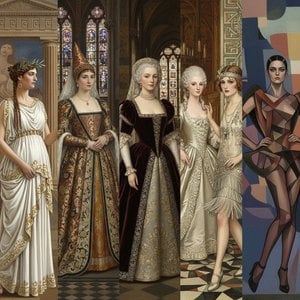
Explore the breathtaking intersection of fine art and high fashion. Discover how iconic masterpieces from Art Deco to Impressionism have shaped the world of luxury couture and timeless design in this curated visual journey.

Discover the exquisite world of fashion illustration art. From Art Deco elegance to bespoke oil reproductions, explore how timeless sartorial beauty transforms luxury interiors through masterfully crafted canvas works and curated historical masterpieces.
 Compartilhar
 Compartilhar
 Detalhes
 Guia
Guia

 Baixar imagem
 Semelhantes
 Ver diaporama
 Perguntas e Respostas
 Estatísticas


 Ler mais






































 A opção de vidro está disponível apenas para tamanhos inferiores a 110 cm


