A Vida de Roy Lichtenstein
Manhattan, Nova York, 27 de outubro de 1923. Roy Lichtenstein chega ao mundo como filho de Milton e Beatrice. A energia urbana da metrópole serve de pano de fundo para uma vida que, eventualmente, desafiaria os limites das belas artes. Ele cresce em uma família judia de classe média alta, absorvendo os ritmos culturais da cidade através dos museus e do jazz.
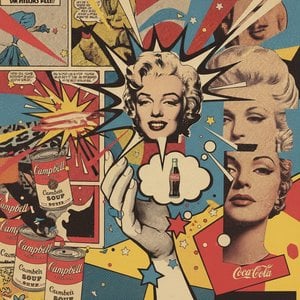
A trajetória de sua carreira sofre uma mudança profunda durante meados do século XX. Ele emerge como uma figura de liderança do movimento Pop Art, um período definido por um afastamento radical das pinceladas pesadas e emocionais do Expressionismo Abstrato. Em vez de olhar para o interior, ele volta seu olhar para as superfícies brilhantes e mecânicas da cultura de massa americana. Ele encontra sua matéria-prima nos cantos mais negligenciados da vida cotidiana: os painéis dramáticos das histórias em quadrinhos e os padrões nítidos e repetitivos da publicidade comercial.
Sua obra transforma a linguagem efêmera da impressão em algo monumental. Ao adotar o código visual das massas, ele força um confronto entre o prestígio das galerias de alto nível e o pulso cotidiano das ruas. Sua presença no mundo da arte é marcada por um distanciamento deliberado, utilizando as próprias ferramentas da reprodução industrial para redefinir o que uma pintura pode ser.
Infância, Família e Formação
Manhattan, 1923. A metrópole serve de cenário para a chegada de Roy Fox Lichtenstein ao seio de uma família judia de classe média alta. Seu pai, Milton, atuava como corretor de imóveis, enquanto sua mãe, Beatrice, uma pianista de formação, o introduzia aos ritmos culturais de Nova York. Esses primeiros anos foram marcados por uma imersão dual, tanto no campo visual quanto no auditivo; ele passou a infância explorando museus e frequentando concertos, desenvolvendo um profundo apreço pela música jazz que persistiria por toda a sua vida.
A trajetória de sua vida inclina-se para a disciplina formal em 1939, quando ingressa na Art Students League de Nova York, colocando-se sob a instrução de Reginald Marsh. Naquela instituição, o foco permanecia nos fundamentos do desenho e da pintura. Partindo dessas explorações iniciais, ele seguiu para o ensino superior, matriculando-se na Ohio State University para cursar artes plásticas. Essa base acadêmica conferiu-lhe o rigor técnico que, futuramente, serviria de sustentação para suas rupturas mais radicais com a representação tradicional.
Serviço Militar e o Retorno aos Estudos
A trajetória acadêmica de Lichtenstein sofre uma mudança abrupta em 1943. O alistamento o retira das salas de aula e o lança nas fileiras do Exército dos Estados Unidos. Durante dois anos, o foco de sua existência desloca-se do estúdio para as linhas de frente da Europa. Ele serve na França, na Bélgica e na Alemanha, navegando pelo caos dos anos de guerra entre 1943 e 1945. Durante esse período, ele atua como ordenança, desenhista e artista, esboçando a realidade crua de seu entorno enquanto o conflito atinge seu ápice.
A guerra chega ao fim, mas a transição de volta à vida civil não é imediata. Após o cessar das hostilidades em 1945, Lichtenstein permanece na França por algum tempo, com o desejo de estudar na Sorbonne. Esse plano se dissolve quando seu pai adoece gravemente, forçando um retorno aos Estados Unidos. Ele retorna à Ohio State University para concluir o que havia começado. Em 1946, ele completa seu BFA, pronto para reingressar no mundo profissional das artes como um praticante devidamente formado.
Carreira Docente e Primeiras Obras
Os anos do pós-guerra encontram Roy Lichtenstein navegando pelo cenário acadêmico do Meio-Oeste e da Costa Leste americana. Ele atua como instrutor de arte na Ohio State University, cargo que ocupa de forma intermitente durante uma década. Durante este período, sua produção criativa sofre uma transformação profunda. Ele se afasta das pinceladas pesadas e emocionais do Expressionismo Abstrato para começar a experimentar interpretações cubistas e obras líricas inspiradas na Tapeçaria de Bayeux. Ele também explora temas do Velho Oeste, produzindo séries de desenhos e pinturas que refletem um interesse crescente por imagens estilizadas e impressas.
A transição em direção a uma linguagem mais gráfica acelera através de seus diversos cargos acadêmicos. Em 1957, ele se muda para a State University of New York, em Oswego, para lecionar design industrial. Este papel coincide com um período de intensa experimentação. Ele começa a combinar personagens de desenhos animados, como o Mickey Mouse e Donald Duck, com fundos abstratos. Esta abordagem híbrida marca um afastamento da arte tradicional. Mais tarde, ele servirá como professor assistente no Douglass College, na Rutgers, State University of New Jersey, e como professor assistente na SUNY Oswego. Esses ambientes acadêmicos proporcionam a estabilidade necessária para que ele refine uma linguagem visual que rejeita a textura da pintura tradicional em favor de algo mais mecânico e desapegado.
Técnica e Estilo Assinatura
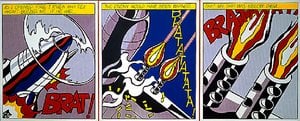
A tela transforma-se em um campo de precisão mecânica. Roy Lichtenstein despoja a obra da pincelada visível, substituindo o gesto humano e emocional pela linguagem fria e calculada da produção em massa. Ele adota a estética dos quadrinhos e da publicidade, utilizando cores primárias vibrantes e contornos pretos marcantes para definir seus temas. A imagética resultante transmite um certo distanciamento, mimetizando a qualidade plana e impessoal de uma página impressa, em vez de uma superfície pintada à mão.
A textura é alcançada através da aplicação deliberada e sistemática dos pontos Ben-Day. Esses pequenos círculos coloridos criam sombreamentos e gradações, replicando o aspecto da impressão comercial de baixo custo. Ele não pinta esses pontos individualmente; em vez disso, utiliza estênceis feitos de plástico fino ou metal, passando um pincel ou um pano sobre a superfície para garantir uma aparência uniforme, como se fosse feita por uma máquina. Esta técnica transforma o ato de pintar em um processo de reprodução, borrando a linha divisória entre as belas artes e o produto industrial.
Obras-Chave e Pinturas Icônicas
A transição para o seu estilo inconfundível acontece em 1961 com Look Mickey. Nesta obra, a apropriação de um personagem da Disney marca um afastamento de seus experimentos abstratos anteriores. Roy Lichtenstein distancia-se das pinceladas pesadas e emocionais da década anterior, optando, em vez disso, pela clareza mecânica das histórias em quadrinhos. A obra funciona como uma ponte, traduzindo a linguagem da literatura pulp para uma composição formal de grande escala.
Por volta de 1963, a escala de sua interrogação visual se expande. Whaam! explode pela tela, utilizando os painéis dramáticos e fragmentados dos quadrinhos de guerra para capturar um momento de violência intensa. Simultaneamente, Drowning Girl apresenta um tipo diferente de tensão. A obra foca em uma mulher submersa na água, seu rosto marcado por lágrimas estilizadas e um balão de fala que expressa um sentimento de desafio pessoal. Estas obras não apenas retratam cenas; elas congelam o melodrama da mídia de massa em objetos gráficos estáticos.
A pintura de 1964, Nurse, continua esta exploração do romântico e do dramático. Ela utiliza os mesmos contornos de alto contraste e os pontos Ben-Day que definem seu período mais reconhecido. O tema, uma enfermeira de um romance em quadrinhos, é renderizado com um distanciamento que enfatiza a artificialidade do material de origem. Sua produção durante esta era permanece focada na intersecção entre a emoção humana e a reprodução industrial.
- Look Mickey (1961)
- Whaam! (1963)
- Drowning Girl (1963)
- Nurse (1964)
Anos Tardios e Morte
A década de 1960 trouxe uma mudança significativa em sua vida pessoal quando ele se casou com Dorothy Herzka, em 1968. Este período foi marcado pela continuidade de uma produção vasta e incessante, expandindo seu alcance através de diversos meios. Sua obra permaneceu prolífica, abrangendo mais de cinco mil trabalhos, incluindo pinturas, esculturas e murais. Roy Lichtenstein transcendeu o choque inicial causado por seu estilo inspirado nos quadrinhos para explorar composições mais complexas, incluindo séries que faziam referência à arte clássica e a paisagens.
O fim chegou de forma abrupta no final dos anos 1990. Em agosto de 1997, ele contraiu pneumonia, uma enfermidade que se revelou avassaladora para seu organismo. Roy Lichtenstein faleceu em decorrência de complicações da infecção no dia 29 de setembro de 1997, aos 73 anos de idade.
Legado e Impacto Duradouro
As fronteiras entre a alta arte e a cultura popular dissolvem-se sob o rastro de sua influência. Ao elevar a linguagem visual das tiras de quadrinhos e da publicidade ao ambiente das galerias, ele forçou um confronto entre as belas-artes e a imagética produzida em massa do cotidiano. Essa mudança fez mais do que apenas alterar o tema da pintura; ela desafiou a própria definição de autoria artística e originalidade. Sua obra permanece como um catalisador para o diálogo crítico sobre a intersecção entre arte, cultura e comércio.
Sua presença é sentida nas principais coleções de museus ao redor do mundo. Dos salões da Tate, em Londres, ao Museu de Arte Moderna em Nova York, sua estética continua sendo uma parte fundamental do cânone moderno. O impacto de seu método estende-se ao design gráfico, à ilustração e à arte digital contemporânea, onde a tensão entre o mecânico e o pintado à mão continua a ressoar. Ele não apenas participou do movimento Pop Art; ele ajudou a originá-lo, estabelecendo um vocabulário visual que permanece como um ponto de referência primordial para a forma como consumimos imagens em uma era saturada pela mídia.
- Whaam! (1963)
- Drowning Girl (1963)
- Masterpiece (1962)
- Look Mickey (1961)


 Visualizar na parede
 Compartilhar
 Compartilhar
 Detalhes
 Guia
Guia

 Baixar imagem
 Semelhantes
 Raio X
 Ver diaporama
 Perguntas e Respostas
 Estatísticas

 Ler mais
 Alternar para Impressão





































 A opção de vidro está disponível apenas para tamanhos inferiores a 110 cm