Consultoria de arte gratuita

x
Encomendar pintura Encomendar pinturaComprar imagem em alta resolução Comprar imagem em alta resolução EnviarEnviar
Detalhes da obraDetalhes da obra Adicionar aos favoritos Adicionar aos favoritos BaixarBaixar SemelhantesSemelhantes Raio XRaio X SlideshowSlideshow

Landscape Mural

Discover Robert Scott Duncanson’s ‘Landscape Mural,’ a serene 1852 Hudson River School painting. Explore its romantic style, atmospheric perspective & the artist's legacy.

Robert Seldon Duncanson (1821-1872) foi o primeiro artista afro-americano a alcançar reconhecimento internacional por paisagens. Sua obra, influenciada pela Escola de Hudson, retrata a beleza serena do Ohio Valley e carrega potenciais metáforas raciais dentro do Romantismo.

Giclê / Impressão de Arte

Impressão giclée ou em tela de qualidade de museu, com produção rápida e opções flexíveis de acabamento.

P118B $10
P118H $10
P118W $10
P438Z $10
P508JH $12
P508YH $12
P805H $10
P805Z $10
P919BZ $10
P919G $10
P919XJ $10
P959ZH $10
P968JZ $12
W106C $8
W218G $10
W218JH $8
W218Y $10
W307PJ $10
W316G $10
W316PJ $8
W316Y $10
W398PJ $8
W4111J $10
W500HY $15
W500JH $15
W692G $12
W849H $8
W940BG $15
W953PJ $8

Standard
custom
CM
INCH

Escolha entre os nossos tamanhos pré-definidos que respeitam as proporções originais da obra de arte.

largura
altura

Você pode inserir suas próprias dimensões para se ajustar a uma moldura ou espaço específico. Se o tamanho selecionado não corresponder às proporções da imagem original, iremos recortar a obra de arte ou estender a imagem com uma borda espelhada ou preenchimento sólido. Um mockup digital será enviado para sua aprovação antes do início da produção.
Por favor, observe que a visualização na tela não reflete o recorte ou a extensão real. Apenas o mockup mostrará com precisão a composição final.
Embora tamanhos personalizados estejam disponíveis, recomendamos selecionar uma dimensão da lista predefinida para preservar as proporções originais.

Entrega mundial () em 2 semanas, em vez das 4/5 semanas padrão. (7 Julho)

why_choose_icon
Envio Expresso Gratuito para todo o Mundo
why_choose_icon
Tela de Linho Premium
why_choose_icon
Seguro de envio completo
why_choose_icon
Garantia de Reembolso de Impostos Alfandegários
why_choose_icon
Garantia de Fidelidade de Cores
why_choose_icon
Política de Devolução de 60 Dias (Apenas para Defeitos)
why_choose_icon
Garantia de 100% de Reembolso
why_choose_icon
Desconto para múltiplas unidades

Preço Total

-

reproduction

Landscape Mural

Giclê / Impressão de Arte

Dimensões da Reprodução

-

Preço Total Final

-

Dados Rápidos

  • Title: Landscape Mural
  • Subject or theme: Ohio Valley scenery
  • Artistic style: Pastoral, landscape
  • Medium: Oil on plaster
  • Influences:
    • Cole
    • European art
  • Movement: Hudson River School
  • Dimensions: 110 x 85 in.

Teste de Arte

Cada pergunta possui apenas uma resposta correta.

Pergunta 1:
What artistic movement is most closely associated with Robert Seldon Duncanson’s ‘Landscape Mural’?
Pergunta 2:
The ‘Landscape Mural’ depicts a scene primarily inspired by:
Pergunta 3:
What is a key characteristic of the painting technique used in ‘Landscape Mural’?
Pergunta 4:
Robert Seldon Duncanson is notable for being:
Pergunta 5:
Considering Duncanson’s background, what might be a potential interpretive meaning behind the ‘Landscape Mural’?

Descrição da Obra

Robert Seldon Duncanson’s “Landscape Mural”: A Window into Romantic America

Robert Seldon Duncanson's "Landscape Mural," painted in 1852, isn’t merely a depiction of a serene vista; it’s a carefully constructed window into the heart of 19th-century American art and the evolving consciousness of its time. Commissioned by Nicholas Longworth, a prominent Cincinnati merchant and art patron, this monumental work—measuring an impressive 110 inches by 78 inches—represents a pivotal moment in Duncanson’s career and a significant contribution to the Hudson River School movement. More than just a pretty picture, it's a meditation on nature, spirituality, and the burgeoning sense of national identity taking shape within the United States.

The scene itself is deceptively simple: a winding river snakes through a densely wooded landscape, culminating in distant hills bathed in the soft light of a cloudy sky. Yet, beneath this apparent tranquility lies a complex layering of influences. Duncanson, deeply influenced by the European Romantic painters like Caspar David Friedrich and J.M.W. Turner, masterfully employs atmospheric perspective – a technique borrowed from the Northern Renaissance masters – to create an illusion of immense depth. The colors subtly shift with distance, suggesting both the vastness of the natural world and the limitations of human perception. The composition is carefully balanced, utilizing vertical elements like the trees to anchor the scene while the river provides a horizontal flow that guides the eye through the landscape.

A Pioneer’s Palette: Technique and Artistic Process

Duncanson's skill as a painter is evident in his meticulous attention to detail and his masterful use of oil paint. The brushstrokes are visible, contributing to the texture and richness of the scene—a hallmark of the Hudson River School style. He employed a layering technique, building up color gradually to achieve luminous effects and capturing the subtle nuances of light and shadow. Notably, Duncanson worked directly on the plaster walls of Longworth’s home, a practice known as “direct painting,” which allowed him to seamlessly integrate his artwork into the architecture. This method also meant that the mural was inherently tied to its environment, responding to the changing light and atmosphere within the room.

The choice of palette is particularly noteworthy. Duncanson favored muted earth tones—greens, browns, blues—creating a sense of quiet contemplation and harmony with nature. The subtle use of color evokes a feeling of nostalgia for a simpler time, reflecting the Romantic ideal of returning to nature as a source of spiritual renewal. He avoided dramatic contrasts or overly bright colors, opting instead for a more subdued and atmospheric approach that prioritized mood and emotion over literal representation.

Symbolism and the American Landscape

While superficially depicting a picturesque landscape, “Landscape Mural” is rich in symbolic meaning. The winding river can be interpreted as a metaphor for the journey of life, while the dense forest represents the mysteries and challenges that lie ahead. The distant hills symbolize aspiration and hope—a reminder of the potential for growth and fulfillment. Duncanson’s work reflects the growing American fascination with the natural world during this period, coinciding with westward expansion and the development of a distinct national identity.

Furthermore, Duncanson's background as an African American artist adds another layer of complexity to the mural's interpretation. Some scholars suggest that he subtly incorporated racial metaphors into his work, using the landscape to represent both the beauty and the challenges faced by Black Americans in a racially divided nation. The painting’s quiet dignity and contemplative mood can be seen as a powerful statement of resilience and hope in the face of adversity.

A Legacy of Beauty: Reproduction and Appreciation

Today, “Landscape Mural” stands as a testament to Duncanson's artistic vision and his enduring legacy. Reproductions offer a remarkable opportunity to experience the beauty and emotional depth of this iconic work. When selecting a reproduction, consider the quality of materials used—a high-quality print on archival paper will ensure that the colors remain vibrant for years to come. “Landscape Mural” continues to inspire artists and art lovers alike, reminding us of the power of nature to evoke emotion, stimulate contemplation, and connect us to something larger than ourselves.

Obras Relacionadas


Biografia do Artista

A Pioneer of the American Landscape

Robert Seldon Duncanson, um nome que ressoa com brilhantismo artístico e significado histórico, emergiu como uma figura central na arte americana do século XIX. Nascido por volta de 1821 em Fayetteville, Nova York, filho de pais de origem europeia e africana – seu pai, John Dean Duncanson, um comerciante negro livre que transmitiu valores de diligência e aprendizado – Duncanson navegou por um mundo marcado pelo preconceito racial, ao mesmo tempo em que alcançou reconhecimento internacional como pintor de paisagens. Sua jornada foi uma de autossuficiência, dedicação inabalável e uma profunda conexão com o mundo natural, estabelecendo-o finalmente como o primeiro artista afro-americano a alcançar ampla notoriedade tanto nos Estados Unidos quanto na Europa. A mudança da família para Monroe, Michigan, viu Robert aprendizado artesanalmente e trabalhando como pintor itinerante, revelando uma aptidão precoce para a arte que logo definiria seu caminho de vida.

De Retratos a Vistas Panorâmicas

O desenvolvimento artístico de Duncanson começou com retratos, um meio prático de estabelecer-se como artista profissional. No entanto, a cena cultural em ascensão de Cincinnati, Ohio – uma cidade conhecida como a “Atenas do Oeste” – chamou sua atenção em 1840, oferecendo oportunidades de crescimento e exposição que não estavam disponíveis em outro lugar. Largamente autodidata, Duncanson aprimorou suas habilidades através de estudo diligente de gravuras e impressões, esboços diretos da natureza e cópias meticulosas das obras de mestres estabelecidos. Essa abordagem rigorosa permitiu-lhe desenvolver um olhar apurado para o detalhe e uma notável proficiência técnica, apesar de não ter recebido treinamento formal. Foi em Cincinnati que ele começou sua transição para a pintura de paisagens, atraído pelos ideais românticos e pela beleza sublime da natureza americana. A influência da Escola do Rio Hudson tornou-se cada vez mais evidente em seu trabalho, particularmente nas composições evocativas de Thomas Cole, cujas representações dramáticas da natureza ressoaram profundamente com as sensibilidades artísticas de Duncanson. Ele não se limitava a reproduzir cenas; estava interpretando-as através de uma lente pessoal única, imbuindo suas telas com um senso de tranquilidade e conexão espiritual.

Uma Sobeira Europeia e Reconhecimento Internacional

Um ponto de virada na carreira de Duncanson ocorreu em 1853-1854 com uma extensa viagem pela Europa. Essa jornada lhe proporcionou exposição inestimável às obras de mestres europeus, expandindo seus horizontes artísticos e refinando sua técnica. Estudou os Mestres da Velha Guarda, absorvendo suas abordagens à luz, cor e composição, que ele então integrou ao seu estilo distinto. Ao retornar, a obra de Duncanson demonstrou uma nova sofisticação e maturidade, atraindo atenção não apenas nos Estados Unidos, mas também na Inglaterra, Escócia e Canadá. Exposições se seguiram, consolidando sua reputação como um artista de talento considerável e visão. Tornou-se uma figura-chave no desenvolvimento da tradição da paisagem do Rio Ohio, capturando a beleza serena da região com notável habilidade. Suas pinturas não eram apenas representações de lugar; eram expressões de humor, atmosfera e o poder sublime da natureza.

Legado e Significado Histórico

O legado de Robert Seldon Duncanson se estende além de suas conquistas artísticas. Ele quebrou barreiras para artistas afro-americanos durante um período marcado pela discriminação racial generalizada, servindo como inspiração para futuras gerações. Seu sucesso desafiou as normas sociais prevalecentes e demonstrou o poder da arte para transcender o preconceito. Embora os estudiosos de arte continuem a debater a extensão em que sua raça influenciou sua expressão artística – alguns sugerindo representações simbólicas sutis de temas raciais em suas paisagens – não há como negar que a história de vida de Duncanson é um testemunho de resiliência, talento e do espírito humano duradouro. Tragicamente, ele sofreu uma forma de demência no final de sua vida, possivelmente devido à intoxicação por chumbo presente nas tintas que usava, e morreu repentinamente em 1872 enquanto se preparava para uma exposição em Detroit. Hoje, Robert Seldon Duncanson permanece como uma figura pioneira – um testemunho do poder da arte para superar a adversidade e deixar uma impressão indelével no mundo. Suas vistas serenas continuam a cativar o público, lembrando-nos da beleza duradoura da natureza e do talento notável de um artista que ousou sonhar além das limitações impostas por seu tempo.
  • Temas Principais: Pintura de paisagens, influência Romântica, Escola do Rio Hudson.
  • Obras Notáveis: “Paisagem com Ovelhas”, “Vida em Rosa” e inúmeras representações da paisagem do Rio Ohio.
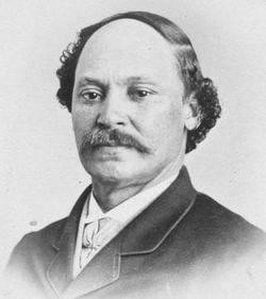
Robert Seldon Duncanson

Robert Seldon Duncanson

1821 - 1872 , Estados Unidos da América

Informações Rápidas

  • Artistic Movement Or Style: Hudson River School
  • Artists Or Movements Influenced By This Artist: ['Tradição Ohio River Valley']
  • Artists Who Influenced This Artist: ['Thomas Cole']
  • Date Of Birth: c. 1821
  • Date Of Death: 1872
  • Full Name: Robert Seldon Duncanson
  • Nationality: Americano
  • Notable Artworks:
    • Paisagem com Ovelhas
    • Rosa em Silho
  • Place Of Birth: Fayetteville, EUA
Explore obras de arte organizadas por temas, estilos e características.