Uma Vida Imersa em Cor e Forma
Paul Klee, um nome sinônimo de abstração lúdica e profunda emoção, ocupa uma posição singular no cenário da arte do século XX. Nascido em 18 de dezembro de 1879, em Münchenbuchsee, na Suíça, sua jornada artística foi de constante exploração, desafiando categorizações fáceis e forjando um caminho que mesclava influências do Expressionismo, Cubismo e Surrealismo em uma linguagem visual distintamente pessoal. A infância de Klee fomentou uma apreciação precoce pelas artes; seu pai, um professor de música alemão, e sua mãe, uma cantora suíça, instilaram nele uma sensibilidade tanto para a harmonia auditiva quanto para a visual. Essa conexão fundamental entre música e pintura se tornaria uma característica definidora de sua obra, moldando não apenas sua abordagem composicional, mas também sua compreensão teórica da arte como uma forma de expressão abstrata análoga ao arranjo musical. Inicialmente atraído pelo desenho, Klee logo abandonou a busca pela representação realista, reconhecendo suas limitações em transmitir o mundo interior de emoções e ideias que ele buscava expressar. Matriculou-se na Academia de Belas Artes de Munique entre 1898 e 1901, um período marcado por experimentação e desenvolvimento de sua voz artística única.
A Formação de uma Visão Artística
O trabalho inicial de Klee revela a influência da Arte Nova e do Simbolismo, mas mesmo dentro dessas estruturas, vislumbres de seu estilo futuro começaram a emergir. Um momento crucial em seu desenvolvimento artístico foi uma viagem à Tunísia em 1914. A luz intensa e a atmosfera vibrante do norte da África impactaram profundamente seu uso da cor, inspirando-o a ir além dos tons suaves em direção a paletas mais ousadas e expressivas. Essa experiência marcou um ponto de virada, solidificando seu compromisso com a abstração como um meio de capturar a essência da percepção, em vez de simplesmente replicar sua aparência superficial. Ele não estava apenas *vendo* a Tunísia; ele estava traduzindo sua ressonância emocional em forma visual. Ao longo desse período, Klee se envolveu com vários movimentos artísticos, absorvendo seus princípios enquanto resistia simultaneamente à adesão completa a qualquer ideologia única. Seu interesse pela música permaneceu primordial, e ele frequentemente falava sobre pintura como um processo análogo à composição de peças musicais – um arranjo cuidadoso de elementos para criar um todo harmonioso. Essa abordagem sinestésica é evidente na qualidade rítmica de suas linhas, no delicado equilíbrio das cores e na sensação geral de movimento que permeia muitas de suas obras.
Bauhaus e Além: Um Período de Florescimento
De 1931 a 1933, Klee aceitou um cargo de professor na influente escola Bauhaus de arte, design e arquitetura, ao lado de Wassily Kandinsky. Esse período provou ser notavelmente frutífero para seu desenvolvimento artístico. Cercado por pensadores inovadores e colegas artistas, ele prosperou em um ambiente que encorajava a experimentação e a investigação teórica. Seu trabalho durante esses anos se aprofundou na teoria das cores e nas relações formais, explorando a interação entre formas abstratas e expressão emocional. No entanto, esse paraíso criativo foi destruído com a ascensão do Nazismo na Alemanha. Em 1933, Klee foi demitido da Bauhaus devido à sua arte ser considerada “degenerada” pelo regime nazista – um testemunho arrepiante dos perigos da ideologia política suprimindo a liberdade artística. Forçado a retornar à Suíça, ele continuou pintando, mas sua saúde se deteriorou sob a sombra do crescente tumulto político e das dificuldades pessoais. Apesar desses desafios, Klee permaneceu comprometido com sua visão artística, produzindo obras que refletiam tanto as ansiedades da época quanto sua crença duradoura no poder da arte de transcender a adversidade.
Temas, Estilo e Legado Duradouro
A obra de Paul Klee é caracterizada por uma cativante mistura de brincadeira e contemplação profunda. Ele frequentemente empregava imagens infantis e composições caprichosas, imbuindo-as com camadas de significado simbólico. Temas recorrentes em sua arte incluem jardins, paisagens, retratos e arranjos abstratos – cada um servindo como um veículo para explorar as complexidades da experiência humana. Seus “Cadernos de Paul Klee”, publicados postumamente, oferecem informações valiosas sobre suas extensivas investigações teóricas sobre cor e design, revelando uma abordagem meticulosa e intelectual à criação artística. Ele não estava apenas pintando; ele estava construindo uma linguagem visual baseada em princípios de harmonia, equilíbrio e ressonância emocional.
Hamamet,
Irmãos e
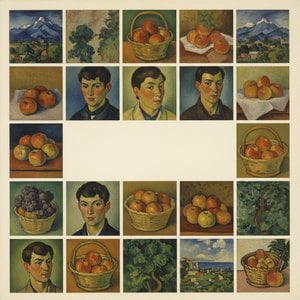
Na corrente seis limiares são apenas alguns exemplos que mostram seu domínio da cor e da forma. Paul Klee morreu em 29 de junho de 1940, em Muralto, na Suíça, deixando um legado que continua a inspirar artistas e cativar o público em todo o mundo. Ele é justamente considerado uma das figuras mais importantes da arte do século XX, preenchendo a lacuna entre a expressão figurativa e abstrata e solidificando seu lugar como um inovador icônico cuja obra permanece eternamente relevante.
Museus & Exploração Adicional
- Zentrum Paul Klee (Berna): Lar da maior coleção de obras de Klee no mundo, oferecendo uma visão abrangente de sua jornada artística.
- Museu de Belas Artes de Berna: Apresenta peças significativas de Klee ao lado de obras-primas de Picasso e Hodler.
- Kunstmuseum Bern: O museu de arte mais antigo da Suíça, exibindo uma coleção diversificada que inclui obras de Klee e outros mestres modernos.
Sua influência se estende além do reino da pintura, impactando áreas como design, arquitetura e música. O apelo duradouro da obra de Paul Klee reside em sua capacidade de evocar um senso de admiração e convidar os espectadores a se envolver com a arte em um nível emocional e intelectual – um testemunho de seu gênio e contribuição duradoura para o mundo da cultura visual.



 Visualizar na parede
 Comprar pintura feita à mão
 Compartilhar
 Compartilhar
 Detalhes

 Baixar imagem
 Semelhantes
 Raio X
 Slideshow
 Estatísticas

 Ler mais






































 A opção de vidro está disponível apenas para tamanhos inferiores a 110 cm