Biografia do Artista
Uma Visão Revolucionária: A Vida e a Arte de Paul Cézanne
Paul Cézanne, nascido em Aix-en-Provence em 1839, ergue-se como uma figura monumental na transição entre as impressões fugazes do Impressionismo e as formas fragmentadas do Cubismo. Sua jornada não foi marcada por aclamação imediata; ao contrário, foi uma lenta combustão de exploração artística, pontuada por períodos de dúvida e rejeição crítica, culminando em um legado que alteraria irrevogavelmente o curso da arte moderna. Nascido em uma família próspera – seu pai inicialmente um fabricante de chapéus que mais tarde se tornou banqueiro – Cézanne desfrutou de uma segurança financeira incomum para artistas aspirantes, permitindo-lhe dedicar-se à sua paixão sem as pressões imediatas do sucesso comercial. Embora inicialmente direcionado a uma carreira jurídica pelas ambições de seu pai, o apelo da expressão artística provou ser irresistível, e ele acabou abandonando a lei para seguir a pintura, uma decisão que definiria sua vida. As primeiras influências incluíram o Romantismo prevalecente em sua juventude e a dedicação da escola de Barbizon à paisagem, mas foi através do contato com artistas como Paul Gauguin e Georges Seurat, e suas abordagens inovadoras à cor e à forma, que Cézanne começou a forjar seu próprio caminho distinto.
Das Trevas para a Estrutura: A Evolução de um Estilo
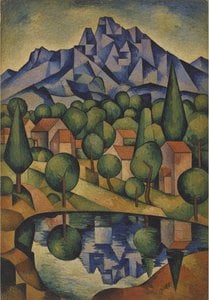
O trabalho inicial de Cézanne frequentemente refletia os temas dramáticos e carregados de emoção característicos da pintura Romântica – paletas escuras e pinceladas expressivas dominando suas telas. No entanto, esta fase inicial foi apenas um degrau para uma abordagem muito mais analítica e inovadora. Insatisfeito em simplesmente capturar impressões fugazes de luz, como favorecido pelos Impressionistas, Cézanne embarcou em uma busca para entender e representar a estrutura subjacente dos próprios objetos. Ele não buscava apenas *o que* via, mas *como* percebia as formas fundamentais que constituíam a realidade. Isso o levou a decompor formas naturais em seus equivalentes geométricos – cones, cilindros, esferas – antecipando a revolução Cubista décadas antes de ela se materializar. Sua técnica tornou-se caracterizada por pequenas pinceladas repetitivas, meticulosamente sobrepostas para construir campos complexos de cor e textura, criando uma sensação de solidez e profundidade anteriormente inexistente na pintura. Ele não estava interessado no espaço ilusionístico; em vez disso, frequentemente apresentava objetos de múltiplos pontos de vista simultaneamente, desafiando as noções tradicionais de perspectiva e forçando o espectador a se envolver ativamente com a natureza construída de suas composições. Essa distorção deliberada não era arbitrária, mas sim uma tentativa de transmitir uma compreensão mais completa da forma, representando não apenas um momento no tempo, mas uma síntese de percepção.
Paisagens, Naturezas-Mortas e a Forma Humana: Obras Chave e Motivos Recorrentes
A obra de Cézanne é notavelmente diversa, abrangendo paisagens, naturezas-mortas, retratos e representações de banhistas, mas todas são unificadas por sua abordagem única à forma e à cor. A Lagoa em Jas de Bouffan, pintada em 1880, exemplifica seu trabalho na paisagem, mostrando sua capacidade de capturar a essência da natureza através de um cuidadoso arranjo de formas e tons. Retrato de Émile Zola, criado em 1866, revela seu estilo em desenvolvimento e oferece um vislumbre convincente da intensidade intelectual de seu amigo próximo e colega escritor. Suas naturezas-mortas, como aquelas com maçãs e outras frutas, não são meramente representações de objetos, mas sim explorações de volume, luz e relações espaciais. A série Mont Sainte-Victoire tornou-se uma obsessão para Cézanne, um motivo recorrente que lhe permitiu investigar incansavelmente a forma e a perspectiva ao longo de décadas. Essas pinturas não são simplesmente representações de uma montanha; elas são estudos sobre como percebemos profundidade, volume e a interação da luz e da sombra. Finalmente, sua série de Banhistas, retratando figuras nuas em paisagens idílicas, representa uma profunda exploração da forma humana e sua conexão com a natureza, frequentemente imbuída de um senso de atemporalidade e contemplação silenciosa.
Um Legado Forjado na Inovação: A Influência de Cézanne na Arte Moderna
O impacto de Paul Cézanne nas gerações subsequentes de artistas é imensurável. Ele é amplamente considerado o “pai da arte moderna” por suas contribuições inovadoras à linguagem pictórica, abrindo caminho para muitos dos principais movimentos artísticos do século XX. Pablo Picasso e Georges Braque estavam profundamente endividados com a ênfase de Cézanne nas formas geométricas e múltiplas perspectivas, que se tornaram elementos centrais do Cubismo. Seu uso ousado da cor também inspirou o movimento Fauvista, liderado por artistas como Henri Matisse, que abraçaram tons vibrantes e não naturalistas. Até mesmo os artistas surrealistas encontraram ressonância na exploração de percepção subjetiva e profundidade psicológica de Cézanne. Além dos movimentos específicos, a insistência de Cézanne na visão pessoal do artista e sua rejeição às restrições acadêmicas tradicionais libertou gerações de pintores para explorar novas formas de expressão. Ele desafiou a própria definição de representação, deslocando o foco da imitação da realidade para a construção de uma experiência visual baseada em estrutura subjacente e percepção subjetiva. Sua morte em 1906 não marcou um fim, mas um começo – o amanhecer de uma nova era na história da arte, profundamente moldada por sua visão revolucionária.



 Visualizar na parede
 Comprar pintura feita à mão
 Compartilhar
 Compartilhar
 Detalhes

 Baixar imagem
 Semelhantes
 Raio X
 Slideshow
 Estatísticas


 Ler mais






































 A opção de vidro está disponível apenas para tamanhos inferiores a 110 cm