Visualizar em escala Visualizar em RA Alternar para Impressão Ver Imagem Digital Enviar
Ver detalhes Guia Adicionar aos favoritos Baixar imagem Semelhantes Raio X Apresentação de slides Estatísticas

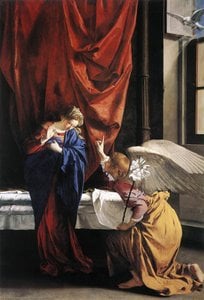
The Lute Player

Experience Baroque drama with Gentileschi's Lute Player, a masterful study in tenebrism and feminine virtue; discover this timeless piece today.

Orazio Gentileschi foi um pintor barroco italiano, conhecido por sua influência caravagista e obras dramáticas que retratam cenas bíblicas e mitológicas com cores vibrantes e composições impactantes. Um precursor da arte barroca em Londres.

Reprodução em Óleo Feita à Mão

Óleo sobre tela pintado à mão no tamanho e moldura de sua escolha, feito sob encomenda pelos nossos artistas. ( Alternar para Impressão Ver Imagem Digital)

P118B $10
P118H $10
P118W $10
P438Z $10
P508JH $12
P508YH $12
P805H $10
P805Z $10
P919BZ $10
P919G $10
P919XJ $10
P959ZH $10
P968JZ $12
W106C $8
W218G $10
W218JH $8
W218Y $10
W307PJ $10
W316G $10
W316PJ $8
W316Y $10
W398PJ $8
W4111J $10
W500HY $15
W500JH $15
W692G $12
W849H $8
W940BG $15
W953PJ $8

Padrão
sob medida
CM
INCH

Escolha entre os nossos tamanhos pré-definidos que respeitam as proporções originais da obra de arte.

largura
altura

Pode inserir as suas próprias dimensões para se adequar a uma moldura ou espaço específico. Se o tamanho selecionado não corresponder às proporções da imagem original, iremos cortar a obra de arte ou estender a pintura com elementos adicionais pintados à mão. Um esboço digital será enviado para sua aprovação antes do início da produção.
Tenha em atenção que a pré-visualização no ecrã não reflete o corte ou extensão real. Apenas o esboço mostrará com precisão a composição final.
Embora tamanhos personalizados estejam disponíveis, recomendamos selecionar uma dimensão da lista predefinida para preservar as proporções originais.

Exemplos do que pode ser personalizado: Substituir o rosto pela foto do cliente; Adicionar um animal de estimação (ex: substituir gato por cão); Incluir uma mensagem oculta no fundo; Alterar a paisagem ou elementos do fundo.
Após o pedido, a equipa WahooArt.com enviará um e-mail ao cliente para solicitar instruções e fornecer uma prévia do esboço.

Entrega mundial () em 3 a 4 semanas, em vez das 5 semanas padrão. (23 Setembro). Sem comprometer a qualidade.

why_choose_icon
Envio expresso gratuito para todo o mundo
why_choose_icon
Tela de Linho Premium
why_choose_icon
Seguro de transporte total
why_choose_icon
Garantia de Reembolso de Impostos Alfandegários
why_choose_icon
Garantia de Fidelidade de Cor
why_choose_icon
Política de Devolução em 100 Dias (Apenas para Defeitos)
why_choose_icon
Garantia de reembolso de 100%
why_choose_icon
Desconto para múltiplas unidades

Preço Total

$ 272

reproduction

The Lute Player

Técnica de Reprodução

Dimensões da Reprodução

-

Preço Total

$ 272

Detalhes Rápidos

  • Medium: Oil on canvas
  • Year: 1615
  • Influences: Caravaggio
  • Notable elements or techniques: Dramatic lighting, Naturalism
  • Title: The Lute Player
  • Location: Private Collection
  • Movement: Baroque

Teste de Conhecimentos Artísticos

Cada pergunta possui apenas uma resposta correta.

Questão 1:
What artistic movement is Orazio Gentileschi primarily associated with?
Questão 2:
The painting depicts a scene from which biblical story?
Questão 3:
What is the dominant color palette used in 'The Lute Player'?
Questão 4:
Who influenced Gentileschi's painting style, particularly regarding the use of dramatic lighting?
Questão 5:
The lute player’s posture and gaze convey what emotion or intention?

A Symphony of Light and Shadow

In the quiet intimacy of Orazio Gentileschi’s The Lute Player, we are invited into a moment of profound sensory immersion. Completed around 1615, this masterpiece serves as a breathtaking window into the early Baroque era, where the boundaries between reality and reverie begin to blur. The scene unfolds with a delicate balance of light and shadow, a hallmark of the tenebrismo technique that was revolutionizing the Roman art scene at the time. A young woman, draped in a luminous golden yellow gown that seems to glow from within, sits poised at the edge of our vision. Her body is turned slightly away, as if she has been caught in a private, meditative moment, her head tilted toward her instrument to catch the very resonance of a note just struck.

Gentileschi, heavily influenced by the dramatic naturalism of Caravaggio, uses light not merely to illuminate, but to sculpt. The luminous glow hitting the subject’s face and hands draws the viewer’s eye inward, emphasizing an inner serenity that contrasts beautifully with the deep, velvety shadows surrounding her. For the discerning collector or interior designer, this interplay of chiaroscuro offers a captivating focal point, bringing a sense of dramatic depth and sophisticated warmth to any curated space.

Symbolism and the Art of Contemplation

Beyond its visual splendor, The Lute Player is a painting steeped in the intellectual currents of the seventeenth century. The subject, believed to be Cecilia Giovanna Gonzaga, represents the aristocratic ideal of the era: a woman of piety, virtue, and refined intellect. Every element within the frame is laden with symbolic weight. The lute itself is far more than a musical instrument; it serves as a profound metaphor for harmony, spiritual devotion, and the disciplined pursuit of intellectual beauty. As the musician leans into her craft, she embodies the humanist ideal of contemplatio—the act of focused, inward reflection.

The surrounding environment further enriches this narrative of musicality and grace. Scattered books and the presence of a violin in the background suggest a life dedicated to the arts and learning. Even the subtle placement of objects on the table adds a layer of domestic tranquility to the scene. This layering of meaning ensures that the painting remains a subject of endless fascination, offering much more than mere decoration; it provides a window into a lost world of elegance and moral purpose.

A Timeless Addition to the Modern Interior

For those seeking to infuse their homes with a sense of history and emotional resonance, a high-quality reproduction of this work offers unparalleled inspiration. The painting’s palette—rich golds, deep shadows, and soft textures—complements both classical and contemporary decor. It possesses a unique ability to anchor a room, providing a conversation piece that speaks of cultural heritage and the enduring power of beauty.

Whether placed in a quiet study to encourage reflection or as a bold statement in a grand living area, The Lute Player brings with it an atmosphere of sophisticated calm. To possess such a work is to hold a fragment of the Baroque spirit, allowing the masterful hand of Orazio Gentileschi to continue its legacy of grace and dramatic intensity within the modern sanctuary.


Biografia do Artista

A Tuscan Dawn: The Life and Art of Orazio Gentileschi

Born in 1563 amidst the rolling hills of Tuscany, Orazio Gentileschi embarked on a journey that would see him become a pivotal figure in the transition from Mannerism to Baroque painting. Initially known as Orazio Lomi, he gravitated towards Rome, then the epicenter of artistic innovation, where he honed his skills within the workshops of Cola dell’Amata and absorbed the architectural sensibilities of Francesco da Sangallo. These early influences instilled in him a meticulous attention to form and composition, characteristics that would remain hallmarks of his style even as it dramatically evolved. Gentileschi’s initial work often involved contributing figures to larger decorative schemes conceived by other artists – a formative experience that taught him collaboration and adaptability, yet also hinted at a burgeoning ambition for independent expression. He began his career assisting established masters, learning the intricacies of perspective, anatomy, and color theory, gradually developing his own distinctive approach.

Embracing the Shadow: Caravaggio's Influence and Artistic Development

The turn of the 17th century marked a turning point in Gentileschi’s artistic trajectory. The revolutionary naturalism of Caravaggio burst onto the Roman art scene, challenging established conventions with its dramatic use of light and shadow – *tenebrism* – and unflinching realism. Gentileschi was profoundly affected by this seismic shift, adopting elements of Caravaggio's style into his own work. However, he wasn’t merely an imitator; rather, he filtered Caravaggio’s innovations through his existing artistic sensibilities. While retaining the dramatic intensity, Gentileschi softened the harshness of Caravaggio’s *tenebrism*, introducing a lighter palette and a more refined approach to detail. This resulted in paintings that possessed both emotional power and elegant grace – a unique synthesis that distinguished him from his contemporaries. Biblical scenes and mythological narratives became frequent subjects, allowing Gentileschi to explore themes of faith, heroism, and human vulnerability with compelling visual storytelling. His use of dramatic lighting and dynamic compositions created a sense of immediacy and theatricality, capturing the essence of his chosen subjects with remarkable skill.

A Courtly Wanderer: From Paris to London

Gentileschi’s artistic reputation extended beyond Italy's borders. His talent attracted the patronage of powerful figures, leading him on a peripatetic journey through Europe. He spent time at the court of Marie de' Medici in Paris, where his refined style resonated with the Queen’s taste for elegance and sophistication. This period saw a further evolution in his work, characterized by increasingly elaborate compositions and a heightened sense of decorum. He also worked briefly in Spain, adapting his style to suit the tastes of Spanish nobility. However, it was his invitation to England in 1626 that would define the final chapter of his career. Appointed court painter to Charles I, Gentileschi became one of the first major exponents of Caravaggism in Britain, significantly influencing the development of English Baroque painting. He undertook ambitious projects, including a series of ceiling paintings for Greenwich Palace (now Marlborough House), showcasing his mastery of large-scale decorative schemes and solidifying his position as a leading artist of his time. His work in England demonstrated a willingness to experiment with new techniques and styles, reflecting the evolving artistic climate of the nation.

Key Works and Artistic Style

Gentileschi’s oeuvre encompasses a diverse range of subjects, including biblical scenes, mythological narratives, portraits, and allegorical compositions. His paintings are characterized by a masterful command of technique, evident in his meticulous attention to detail, dynamic poses, and skillful use of color. He was particularly adept at portraying dramatic moments, capturing the intensity of emotion and the drama of action with remarkable precision. Some of his most celebrated works include “Danae,” a powerful depiction of mythological excess; "The Annunciation," showcasing his ability to convey religious reverence; and “The Virgin Mary,” demonstrating his skill in rendering human form and emotional expression. His style evolved over time, moving from the more rigid conventions of Mannerism towards the looser, more expressive approach of Caravaggism, while retaining a distinctly Italian sensibility.
  • Major Works: “Danae”, "The Annunciation", “The Virgin Mary”
  • Key Influences: Mannerism, Caravaggio
  • Artistic Style: Baroque, Dramatic compositions, Bright colors.

Legacy and Lasting Impact

Orazio Gentileschi’s contributions to the world of art are multifaceted. He bridged the gap between Mannerism and Baroque, absorbing the innovations of Caravaggio while forging his own distinctive style. His use of vibrant colors, dramatic compositions, and refined technique influenced a generation of artists across Europe. He was instrumental in introducing Caravaggism to England, leaving an indelible mark on the artistic landscape there. But perhaps his most enduring legacy lies in his daughter, Artemisia Gentileschi. Trained in her father’s studio, she emerged as one of the most celebrated female painters of the Baroque era, carrying forward the family's artistic tradition and achieving renown in her own right. Today, Gentileschi’s works are held in prestigious museums and galleries worldwide – from the Uffizi Gallery in Florence to the Accademia Gallery in Venice – testaments to his enduring brilliance and lasting impact on the history of art. His paintings continue to captivate viewers with their emotional depth, technical virtuosity, and timeless beauty.

Orazio Gentileschi

Orazio Gentileschi

1563 - 1639 , Itália

Informações Rápidas

  • Artistic Movement Or Style: Barroco, Caravaggismo
  • Artists Or Movements Influenced By This Artist:
    • Artemisia Gentileschi
    • Barroco
  • Artists Who Influenced This Artist:
    • Caravaggio
    • Francesco da Sangallo
  • Date Of Birth: 1563
  • Date Of Death: 1639
  • Full Name: Orazio Gentileschi
  • Nationality: Italiano
  • Notable Artworks:
    • Danae
    • Anunciação
    • Maria Virgem
  • Place Of Birth: Túscana, Itália
Explore obras de arte organizadas por temas, estilos e características.