Visualizar na paredeVisualizar na parede Ver em RAVer em RA Comprar impressão Comprar impressãoComprar imagem Comprar imagem CompartilharCompartilhar
DetalhesDetalhes Adicionar aos favoritos Adicionar aos favoritos Baixar imagemBaixar imagem SemelhantesSemelhantes Raio XRaio X SlideshowSlideshow

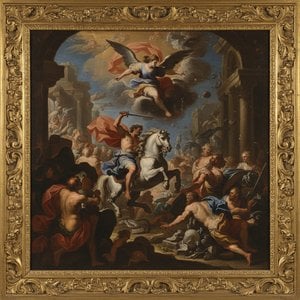
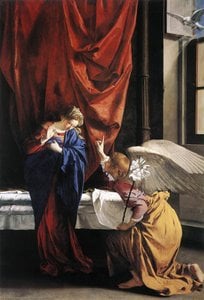
Cupid and Psyche

Experience the captivating Baroque drama of Orazio Gentileschi’s ‘Cupid and Psyche’! This exquisite hand-painted reproduction captures the ethereal beauty and symbolic depth of Lucian's timeless tale.

Orazio Gentileschi foi um pintor barroco italiano, conhecido por sua influência caravagista e obras dramáticas que retratam cenas bíblicas e mitológicas com cores vibrantes e composições impactantes. Um precursor da arte barroca em Londres.

Reprodução em Óleo Feita à Mão

Óleo sobre tela pintado à mão no tamanho e moldura de sua escolha, feito sob encomenda pelos nossos artistas. (Comprar impressão Comprar impressãoComprar imagem Comprar imagem)

P118B $10
P118H $10
P118W $10
P438Z $10
P508JH $12
P508YH $12
P805H $10
P805Z $10
P919BZ $10
P919G $10
P919XJ $10
P959ZH $10
P968JZ $12
W106C $8
W218G $10
W218JH $8
W218Y $10
W307PJ $10
W316G $10
W316PJ $8
W316Y $10
W398PJ $8
W4111J $10
W500HY $15
W500JH $15
W692G $12
W849H $8
W940BG $15
W953PJ $8

Tamanho padrão
personalizado
CM
INCH

Escolha entre os nossos tamanhos pré-definidos que respeitam as proporções originais da obra de arte.

largura
altura

Pode inserir as suas próprias dimensões para se adequar a uma moldura ou espaço específico. Se o tamanho selecionado não corresponder às proporções da imagem original, iremos cortar a obra de arte ou estender a pintura com elementos adicionais pintados à mão. Um esboço digital será enviado para sua aprovação antes do início da produção.
Tenha em atenção que a pré-visualização no ecrã não reflete o corte ou extensão real. Apenas o esboço mostrará com precisão a composição final.
Embora tamanhos personalizados estejam disponíveis, recomendamos selecionar uma dimensão da lista predefinida para preservar as proporções originais.

Exemplos do que pode ser personalizado: Substituir o rosto pela foto do cliente; Adicionar um animal de estimação (ex: substituir gato por cão); Incluir uma mensagem oculta no fundo; Alterar a paisagem ou elementos do fundo.
Após o pedido, a equipa WahooArt.com enviará um e-mail ao cliente para solicitar instruções e fornecer uma prévia do esboço.

Entrega mundial () em 3 a 4 semanas, em vez das 5 semanas padrão. (6 Setembro). Sem comprometer a qualidade.

why_choose_icon
Envio expresso gratuito para todo o mundo
why_choose_icon
Tela de Linho de Alta Qualidade
why_choose_icon
Seguro de transporte completo
why_choose_icon
Garantia de Reembolso de Impostos Alfandegários
why_choose_icon
Garantia de Fidelidade Cromática
why_choose_icon
Política de Devolução em 100 Dias (Apenas para Defeitos)
why_choose_icon
Garantia de reembolso de 100%
why_choose_icon
Oferta de desconto por quantidade

Preço Total

$ 272

reproduction

Cupid and Psyche

Técnica de Reprodução

Tamanho da Reprodução

-

Preço Total

$ 272

Informações Rápidas

  • Influences: Caravaggio
  • Medium: Oil on canvas
  • Dimensions: 137 x 160 cm
  • Notable elements or techniques: Dramatic chiaroscuro; angelic figures
  • Year: 1628
  • Title: Cupid and Psyche
  • Artistic style: Realistic depiction of mythological narrative

Quiz de Arte

Cada pergunta possui apenas uma resposta correta.

Pergunta 1:
What artistic movement is Orazio Gentileschi’s ‘Cupid and Psyche’ considered to be a transitional piece between?
Pergunta 2:
The painting depicts a scene featuring Cupid and Psyche. According to Greek mythology, what is the central narrative of this tale?
Pergunta 3:
What stylistic element contributes to the mood and atmosphere of ‘Cupid and Psyche’?
Pergunta 4:
The painting includes angels positioned above Cupid and Psyche. What role do these angels symbolize in the artwork?
Pergunta 5:
How is the composition of ‘Cupid and Psyche’ characterized?

A Celestial Encounter: The Radiance of Orazio Gentileschi’s Cupid and Psyche

In the quiet, shadowed depths of the early seventeenth century, a transformative magic was unfolding in the heart of Italy, and few works capture this transition as poignantly as Orazio Gentileschi’s “Cupid and Psyche.” Completed in 1628, this masterpiece serves as a breathtaking bridge between the stylized, often artificial elegance of Mannerism and the raw, visceral drama of the Baroque era. The painting invites us into a sacred, intimate space where the boundaries between the mortal and the divine dissolve. As we gaze upon the central figures, we are not merely observers of a myth; we are witnesses to a profound moment of emotional vulnerability and celestial connection. The scene, steeped in the atmosphere of tenebrismo, utilizes stark contrasts of light and shadow to pull the viewer into a realm where every flicker of illumination feels like a divine revelation.

The narrative foundation of this work is drawn from the ancient, enchanting fables of antiquity—specifically the tales of Psyche, a mortal princess whose soul must undergo harrowing trials to prove her worthiness of the god Cupid. Gentileschi translates this epic journey into a singular, quiet moment of intense psychological depth. Through his masterful use of a pyramidal composition, he directs our gaze upward, centering our attention on the tender interaction between the two lovers. The artist’s technique is nothing short of extraordinary; he renders the velvet softness of Psyche’s skin and the powerful, muscular contours of Cupid with such precision that the figures seem to breathe within their dark, mysterious surroundings. This meticulous attention to texture, combined with the dramatic interplay of light, creates a sensory experience that is both tactile and ethereal.

Symbolism and the Baroque Soul

Beyond its technical brilliance, “Cupid and Psyche” is a profound meditation on the nature of love and the human spirit. The presence of two celestial beings, positioned like silent guardians above the lovers, imbues the scene with an undeniable sense of sanctity. These figures serve as reminders that the passion shared between Cupid and Psyche is not merely a fleeting earthly impulse, but a cosmic event sanctioned by the heavens. The deep, enveloping shadows that surround the pair do more than provide contrast; they represent the unknown trials and the darkness of the mortal condition, against which the light of love must constantly struggle to shine. For the discerning collector or interior designer, this painting offers much more than aesthetic beauty; it provides a focal point of profound narrative weight and spiritual resonance.

The emotional impact of the piece lies in its ability to evoke pathos through subtlety rather than overt spectacle. There is an unmistakable tension in the air—a mixture of Psyche’s trepidation and Cupid’s ardent, protective desire. This psychological complexity makes the artwork a timeless addition to any curated collection. Whether placed in a grand, classical hall or used as a sophisticated accent in a contemporary, minimalist space, a high-quality reproduction of this work brings with it an aura of historical importance and emotional sophistication. It is a piece that demands contemplation, inviting anyone who stands before it to reflect on the enduring power of devotion and the beautiful struggle of the soul to find its light.


Biografia do Artista

A Tuscan Dawn: The Life and Art of Orazio Gentileschi

Born in 1563 amidst the rolling hills of Tuscany, Orazio Gentileschi embarked on a journey that would see him become a pivotal figure in the transition from Mannerism to Baroque painting. Initially known as Orazio Lomi, he gravitated towards Rome, then the epicenter of artistic innovation, where he honed his skills within the workshops of Cola dell’Amata and absorbed the architectural sensibilities of Francesco da Sangallo. These early influences instilled in him a meticulous attention to form and composition, characteristics that would remain hallmarks of his style even as it dramatically evolved. Gentileschi’s initial work often involved contributing figures to larger decorative schemes conceived by other artists – a formative experience that taught him collaboration and adaptability, yet also hinted at a burgeoning ambition for independent expression. He began his career assisting established masters, learning the intricacies of perspective, anatomy, and color theory, gradually developing his own distinctive approach.

Embracing the Shadow: Caravaggio's Influence and Artistic Development

The turn of the 17th century marked a turning point in Gentileschi’s artistic trajectory. The revolutionary naturalism of Caravaggio burst onto the Roman art scene, challenging established conventions with its dramatic use of light and shadow – *tenebrism* – and unflinching realism. Gentileschi was profoundly affected by this seismic shift, adopting elements of Caravaggio's style into his own work. However, he wasn’t merely an imitator; rather, he filtered Caravaggio’s innovations through his existing artistic sensibilities. While retaining the dramatic intensity, Gentileschi softened the harshness of Caravaggio’s *tenebrism*, introducing a lighter palette and a more refined approach to detail. This resulted in paintings that possessed both emotional power and elegant grace – a unique synthesis that distinguished him from his contemporaries. Biblical scenes and mythological narratives became frequent subjects, allowing Gentileschi to explore themes of faith, heroism, and human vulnerability with compelling visual storytelling. His use of dramatic lighting and dynamic compositions created a sense of immediacy and theatricality, capturing the essence of his chosen subjects with remarkable skill.

A Courtly Wanderer: From Paris to London

Gentileschi’s artistic reputation extended beyond Italy's borders. His talent attracted the patronage of powerful figures, leading him on a peripatetic journey through Europe. He spent time at the court of Marie de' Medici in Paris, where his refined style resonated with the Queen’s taste for elegance and sophistication. This period saw a further evolution in his work, characterized by increasingly elaborate compositions and a heightened sense of decorum. He also worked briefly in Spain, adapting his style to suit the tastes of Spanish nobility. However, it was his invitation to England in 1626 that would define the final chapter of his career. Appointed court painter to Charles I, Gentileschi became one of the first major exponents of Caravaggism in Britain, significantly influencing the development of English Baroque painting. He undertook ambitious projects, including a series of ceiling paintings for Greenwich Palace (now Marlborough House), showcasing his mastery of large-scale decorative schemes and solidifying his position as a leading artist of his time. His work in England demonstrated a willingness to experiment with new techniques and styles, reflecting the evolving artistic climate of the nation.

Key Works and Artistic Style

Gentileschi’s oeuvre encompasses a diverse range of subjects, including biblical scenes, mythological narratives, portraits, and allegorical compositions. His paintings are characterized by a masterful command of technique, evident in his meticulous attention to detail, dynamic poses, and skillful use of color. He was particularly adept at portraying dramatic moments, capturing the intensity of emotion and the drama of action with remarkable precision. Some of his most celebrated works include “Danae,” a powerful depiction of mythological excess; "The Annunciation," showcasing his ability to convey religious reverence; and “The Virgin Mary,” demonstrating his skill in rendering human form and emotional expression. His style evolved over time, moving from the more rigid conventions of Mannerism towards the looser, more expressive approach of Caravaggism, while retaining a distinctly Italian sensibility.
  • Major Works: “Danae”, "The Annunciation", “The Virgin Mary”
  • Key Influences: Mannerism, Caravaggio
  • Artistic Style: Baroque, Dramatic compositions, Bright colors.

Legacy and Lasting Impact

Orazio Gentileschi’s contributions to the world of art are multifaceted. He bridged the gap between Mannerism and Baroque, absorbing the innovations of Caravaggio while forging his own distinctive style. His use of vibrant colors, dramatic compositions, and refined technique influenced a generation of artists across Europe. He was instrumental in introducing Caravaggism to England, leaving an indelible mark on the artistic landscape there. But perhaps his most enduring legacy lies in his daughter, Artemisia Gentileschi. Trained in her father’s studio, she emerged as one of the most celebrated female painters of the Baroque era, carrying forward the family's artistic tradition and achieving renown in her own right. Today, Gentileschi’s works are held in prestigious museums and galleries worldwide – from the Uffizi Gallery in Florence to the Accademia Gallery in Venice – testaments to his enduring brilliance and lasting impact on the history of art. His paintings continue to captivate viewers with their emotional depth, technical virtuosity, and timeless beauty.
Orazio Gentileschi

Orazio Gentileschi

1563 - 1639 , Itália

Dados Rápidos

  • Artistic Movement Or Style: Barroco, Caravaggismo
  • Artists Or Movements Influenced By This Artist:
    • Artemisia Gentileschi
    • Barroco
  • Artists Who Influenced This Artist:
    • Caravaggio
    • Francesco da Sangallo
  • Date Of Birth: 1563
  • Date Of Death: 1639
  • Full Name: Orazio Gentileschi
  • Nationality: Italiano
  • Notable Artworks:
    • Danae
    • Anunciação
    • Maria Virgem
  • Place Of Birth: Túscana, Itália
Explore obras de arte organizadas por temas, estilos e características.