x
Visualizar na paredeVisualizar na parede Ver em RAVer em RA Comprar pintura feita à mão Comprar pintura feita à mãoComprar imagem Comprar imagem CompartilharCompartilhar
DetalhesDetalhes Adicionar aos favoritos Adicionar aos favoritos Baixar imagemBaixar imagem SemelhantesSemelhantes Raio XRaio X SlideshowSlideshow

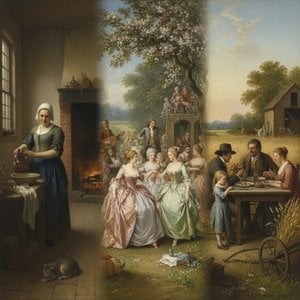
Studio Interior

Step into the intimate studio of Nicolas Tassaert with 'Studio Interior,' a poignant 1845 painting capturing a moment of quiet industry and artistic reflection.

Explore as obras comoventes de Nicolas Tassaert, pintor francês do século XIX conhecido por cenas dramáticas e retratos que retratam a pobreza e o desespero. Descubra suas litografias e sua vida trágica.

Giclée / Impressão de Arte

Impressão giclée ou em tela de qualidade de museu, com produção rápida e opções flexíveis de acabamento. (Comprar pintura feita à mão Comprar pintura feita à mãoComprar imagem Comprar imagem)

P118B $10
P118H $10
P118W $10
P438Z $10
P508JH $12
P508YH $12
P805H $10
P805Z $10
P919BZ $10
P919G $10
P919XJ $10
P959ZH $10
P968JZ $12
W106C $8
W218G $10
W218JH $8
W218Y $10
W307PJ $10
W316G $10
W316PJ $8
W316Y $10
W398PJ $8
W4111J $10
W500HY $15
W500JH $15
W692G $12
W849H $8
W940BG $15
W953PJ $8

Tamanho padrão
personalizado
CM
INCH

Escolha entre os nossos tamanhos pré-definidos que respeitam as proporções originais da obra de arte.

largura
altura

Você pode inserir suas próprias dimensões para se ajustar a uma moldura ou espaço específico. Se o tamanho selecionado não corresponder às proporções da imagem original, iremos recortar a obra de arte ou estender a imagem com uma borda espelhada ou preenchimento sólido. Um mockup digital será enviado para sua aprovação antes do início da produção.
Por favor, observe que a visualização na tela não reflete o recorte ou a extensão real. Apenas o mockup mostrará com precisão a composição final.
Embora tamanhos personalizados estejam disponíveis, recomendamos selecionar uma dimensão da lista predefinida para preservar as proporções originais.

Entrega mundial () em 2 semanas, em vez das 4/5 semanas padrão. (2 Setembro)

why_choose_icon
Envio expresso gratuito para todo o mundo
why_choose_icon
Tela de Linho de Alta Qualidade
why_choose_icon
Seguro de transporte completo
why_choose_icon
Garantia de Reembolso de Impostos Alfandegários
why_choose_icon
Garantia de Fidelidade Cromática
why_choose_icon
Política de Devolução em 60 Dias (Apenas para Defeitos)
why_choose_icon
Garantia de reembolso de 100%
why_choose_icon
Oferta de desconto por quantidade

Preço Total

$ 68

reproduction

Studio Interior

Giclée / Impressão de Arte

Tamanho da Reprodução

-

Preço Total

$ 68

Informações Rápidas

  • Subject or theme: Artist's studio life
  • Title: Studio Interior
  • Movement: Romanticism
  • Artistic style: Genre painting
  • Notable elements: Erotic scenes, poverty
  • Influences:
    • Turner
    • Constable
  • Year: 1845

Quiz de Arte

Cada pergunta possui apenas uma resposta correta.

Pergunta 1:
What is the primary subject depicted in 'Studio Interior'?
Pergunta 2:
According to the description, what is the central figure in the painting doing?
Pergunta 3:
In what year was 'Studio Interior' painted, as indicated in the provided information?
Pergunta 4:
The artist, Nicolas François Octave Tassaert, is known for his work in which medium besides painting?
Pergunta 5:
The description suggests that Tassaert's work often depicted:

A Glimpse into Parisian Industry: Octave Tassaert’s “Studio Interior”

Octave Tassaert's "Studio Interior," painted in 1845, isn’t merely a depiction of a workspace; it’s a poignant snapshot of a rapidly transforming France. This oil-on-canvas painting offers a rare and deeply affecting glimpse into the life of an artist grappling with the burgeoning industrial age – a subject often overlooked by the grand narratives of progress. Tassaert, a master of genre scenes and known for his unflinching portrayals of poverty and hardship, here presents a scene both familiar and subtly unsettling: a solitary figure amidst the tools and detritus of his craft.

The composition immediately draws the eye to a young man, seated before a simple fireplace. His posture suggests absorption in work – perhaps sketching, or meticulously preparing materials – yet there’s an undeniable air of melancholy about him. He's dressed plainly, reflecting a life likely marked by modest means, and his gaze is directed downwards, hinting at introspection rather than outward ambition. Scattered around the room are the essential tools of his trade: easels, brushes, palettes, and a collection of books – symbols not just of artistic pursuit but also of intellectual engagement. A cat, curled up near the man’s feet, adds an element of domesticity, yet even this small comfort feels tinged with loneliness.

Beyond the immediate subject matter, “Studio Interior” is steeped in historical context. Painted during a period of immense industrial growth in France, the painting subtly critiques the social and economic shifts occurring at the time. The artist’s studio, once a haven for creativity and contemplation, now feels somewhat cluttered and neglected – a visual representation of the pressures faced by artists struggling to maintain their livelihoods amidst increasing competition and changing tastes. Tassaert's work reflects a growing awareness of the human cost of industrialization, portraying not just the spectacle of progress but also its potential to erode traditional ways of life.

A Masterclass in Atmospheric Realism

Tassaert’s technical skill is evident in his masterful use of light and shadow. The fireplace casts a warm, inviting glow across the room, contrasting sharply with the muted tones of the surrounding objects. This interplay of light creates a sense of depth and realism, drawing the viewer into the scene. He employs a technique reminiscent of Dutch Realism, prioritizing meticulous observation and accurate representation of everyday life. Note the careful rendering of textures – the rough surface of the wooden table, the worn fabric of the man’s clothing, the scattered pages of books – all contributing to the painting's palpable sense of authenticity.

The artist’s palette is deliberately restrained, dominated by earthy browns, grays, and ochres. This muted color scheme reinforces the painting’s somber mood, reflecting the subject’s difficult circumstances. Tassaert skillfully uses subtle variations in tone to create a sense of volume and form, giving each object a distinct presence within the composition. The layering of glazes – a hallmark of his technique – adds richness and luminosity to the surface, creating an almost velvety texture.

Symbolism and Emotional Resonance

“Studio Interior” is rich in symbolic meaning. The solitary figure represents the artist as a marginalized individual struggling to survive in a changing world. The books suggest a yearning for knowledge and intellectual fulfillment, while the fireplace symbolizes warmth, comfort, and perhaps even a desire for escape. The cat, often associated with independence and solitude, mirrors the man’s own state of isolation. The painting's overall mood is one of quiet melancholy – a poignant reminder of the human cost of progress.

Tassaert wasn’t simply documenting reality; he was imbuing it with emotion. His work resonated deeply with audiences who were increasingly concerned about social injustice and the impact of industrialization on traditional values. The painting's enduring appeal lies in its ability to evoke a sense of empathy for the artist’s plight, prompting viewers to contemplate their own place within the broader context of society.

A Timeless Reflection on Human Experience

“Studio Interior” remains a powerful and evocative work of art. It's more than just a painting; it’s a meditation on the challenges faced by artists in an era of rapid change, a poignant reminder of the human cost of progress, and a testament to Tassaert’s remarkable ability to capture the essence of everyday life with both precision and sensitivity. Reproductions of this piece offer a valuable opportunity to bring this evocative scene into any interior space, serving as a subtle yet profound commentary on the complexities of modern existence.


Biografia do Artista

A Sombra da Indústria: Explorando a Arte de William Frederick Lutkin (1800-1874)

William Frederick Lutkin, nascido em 1800 e tragicamente falecido em 1874, ergue-se como uma figura fundamental que faz a ponte entre o final da era Romântica e o Realismo nascente que dominaria grande parte do século XIX. Embora muitas vezes ofuscado por seus contemporâneos — Turner, Constable e os emergentes Impressionistas — a obra de Lutkin oferece uma perspectiva única e fascinante sobre a paisagem em rápida transformação da Grã-Bretanha durante um período de imenso crescimento industrial e agitação social. Suas telas não são meras representações de cenários; elas são imbuídas de uma sensação palpável de atmosfera, uma consciência inquietante da relação da humanidade tanto com a natureza quanto com o maquinário crescente que remodelou seu mundo.

Primeiros Anos e Formação Artística

A vida de Lutkin permanece, em certa medida, envolta em mistério, embora se saiba que ele recebeu seu treinamento artístico inicial de seu pai, William Lutki Sr., um pintor de paisagens que lhe instilou um profundo apreço pela beleza do campo inglês. Essa base fundamental no Romantismo tradicional — caracterizado pela luz dramática, paisagens sublimes e uma ênfase na resposta emocional — moldou profundamente o trabalho inicial de Lutkin. No entanto, ao contrário de muitos de seus contemporâneos que permaneceram firmemente enraizados nesta estética, Lutkin demonstrou uma fascinação crescente pelo mundo industrial ao seu redor, particularmente as fundições e fábricas que começavam a proliferar pela paisagem britânica. Esse interesse incipiente acabaria por definir sua trajetória artística.

Um Pintor de Paisagens Atmosféricas

As obras mais celebradas de Lutkin são, sem dúvida, suas paisagens atmosféricas, frequentemente retratando cenas de charnecas, costas marítimas e condições climáticas dramáticas. Ele possuía uma habilidade notável de capturar os efeitos fugazes da luz e da sombra, criando pinturas que possuem uma qualidade quase alucinatória. Seu uso da cor é particularmente digno de nota — ele favorecia tons suaves de cinza, marrom e azul, sobrepondo-os em gradações sutis para evocar um senso de humor e atmosfera. Sua técnica envolvia uma observação meticulosa combinada com a disposição de experimentar pinceladas incomuns e técnicas de veladura, resultando em superfícies que cintilavam com a luz refletida. Ele foi profundamente influenciado pelas obras de J.M.W. Turner, especialmente sua capacidade de transmitir o poder e o drama da natureza através de efeitos atmosféricos, mas Lutkin desenvolveu um estilo distintamente pessoal, caracterizado por uma maior ênfase no elemento humano dentro da paisagem.

  • Obras Notáveis: The Moorland Scene, Storm Over the Coast, Evening on the Moors, The Ironworks at Coalbrookdale
  • Técnica: Veladura em camadas, observação meticulosa de luz e sombra, uso de paletas de cores suaves.

A Influência da Industrialização e o Comentário Social

À medida que o século XIX avançava, o foco artístico de Lutkin deslocou-se cada vez mais para a representação do impacto da industrialização na paisagem inglesa. Ele não estava simplesmente documentando fábricas; ele estava explorando os efeitos psicológicos dessa transformação — o senso de alienação, isolamento e perda que acompanhou o declínio da vida rural tradicional. Suas pinturas de fundições e minas de carvão são frequentemente imbuídas de um tom melancólico, refletindo suas próprias ansiedades sobre as consequências sociais e ambientais do progresso industrial. Ele frequentemente retratava figuras solitárias dentro dessas paisagens, sugerindo uma desconexão profunda entre a humanidade e seu ambiente. Este comentário sutil, porém poderoso, sobre as mudanças sociais da época distingue Lutkin de muitos de seus contemporâneos que, em grande parte, ignoraram as mudanças dramáticas que ocorriam ao seu redor.

Legado e Significância Histórica

A obra de William Frederick Lutkin representa um momento de transição fascinante na história da arte britânica. Ele encarna a influência persistente do Romantismo enquanto, simultaneamente, prenuncia o movimento Realista que logo emergiria. Suas paisagens atmosféricas, aliadas às suas representações sutis e pungentes da industrialização, oferecem uma visão valiosa sobre o cenário social e emocional da Grã-Bretanha do século XIX. Embora possa não ser tão amplamente reconhecido quanto alguns de seus contemporâneos mais célebres, as pinturas de Lutkin continuam a ressoar hoje, lembrando-nos da complexa relação entre a humanidade e o mundo natural em uma era de rápidas mudanças tecnológicas. Sua obra serve como um lembrete emocionante de que, mesmo em meio ao progresso, a beleza e a melancolia podem coexistir.
Nicolas François Octave Tassaert

Nicolas François Octave Tassaert

1800 - 1874 , França

Dados Rápidos

  • Artistic Movement Or Style: Arte do Século XIX
  • Artists Or Movements Influenced By This Artist: ['Artistas posteriores no WahooArt']
  • Artists Who Influenced This Artist:
    • Caspar David Friedrich
    • J.M.W. Turner
    • John Constable
  • Date Of Death: 1874
  • Nationality: WahooArt