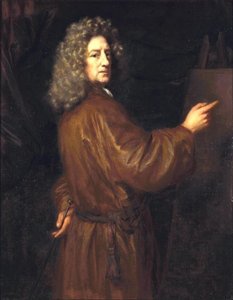
Uma Vida Imersa na Luz e Sombra Holandesas
Nicolaes Maes, um nome que ressoa suavemente no panteão dos mestres da Era de Ouro holandesa, nasceu em Dordrecht, em janeiro de 1634, em um mundo repleto de prosperidade mercantil e fermento artístico. Seu pai, Gerrit Maes, um bem-sucedido comerciante de tecidos e fabricante de sabão, proporcionou uma criação confortável, permitindo que o jovem Nicolaes buscasse seu talento emergente para a pintura. Embora as primeiras instruções tenham vindo de um artista local de renome modesto, o momento crucial no desenvolvimento de Maes ocorreu quando ele viajou para Amsterdanc por volta de 1648 e ingressou no atelier de Rembrandt van Rijn. Este aprendizado provou ser transformador, imbuindo-o de um apreço duradouro pelo dramático jogo de luz e sombra – o
chiaroscuro – e um domínio magistral da cor que definiria suas primeiras obras. A influência foi tão profunda que as pinturas iniciais, como representações de cenas bíblicas executadas com figuras em tamanho real e tons ricos e brilhantes, eram frequentemente atribuídas erroneamente ao próprio Rembrandt. Esses anos formativos lançaram as bases para uma carreira marcada tanto pelo brilho técnico quanto por uma compreensão íntima da emoção humana.
Da Sombra de Rembrandt à Visão Independente
Ao retornar a Dordrecht em 1654, Maes começou a traçar seu próprio caminho artístico, distanciando-se gradualmente da imitação direta de seu antigo mestre. A década seguinte testemunhou uma mudança em direção a cenas de gênero domésticas de menor escala, mas retendo o colorismo vibrante que ele havia absorvido durante seu tempo com Rembrandt. Ele voltou seu olhar atento para a vida cotidiana dos cidadãos holandeses, retratando mulheres envolvidas em atividades comuns – fiando lã, lendo escrituras, preparando refeições – com notável detalhe e sensibilidade. Surgiu um fascínio particular pela intrincada arte da renda, inspirando inúmeras variações sobre este tema, cada uma um testemunho da observação meticulosa e da habilidade de Maes. Estas pinturas não eram meras representações da vida diária; eram janelas para a esfera doméstica, revelando a dignidade silenciosa e as narrativas sutis tecidas no tecido da sociedade holandesa do século XVII. Seu trabalho durante este período demonstra uma capacidade de capturar não apenas o que as pessoas faziam, mas como se sentiam ao fazê-lo.
O Retratista de Amsterdã
Em 1673, Maes mudou-se para Amsterdã, um movimento que sinalizava tanto ambição artística quanto uma astuta adaptação ao evoluente mercado de arte. A cidade, ainda abalada pela guerra com a Inglaterra e a França, apresentava uma demanda crescente por retratos, e Maes rapidamente se estabeleceu como um de seus principais praticantes. Ele abandonou grande parte de seu trabalho anterior de gênero, concentrando-se, em vez disso, em capturar as semelhanças e personalidades dos proeminentes cidadãos de Amsterdã. Seus retratos são caracterizados por uma elegância refinada e percepção psicológica, revelando não apenas a semelhança física, mas também indícios de caráter e posição social. Obras como “Retrato de Gerard Röver, Comerciante e Armador em Amsterdã” exemplificam essa habilidade, apresentando um retrato digno de riqueza e orgulho cívico. Ele tornou-se adepto de transmitir status através de detalhes sutis – a qualidade dos tecidos, o corte das roupas, a postura confiante de seus modelos. Este período marcou uma mudança estilística significativa, afastando-se do calor e da intimidade anteriores em direção a uma estética mais polida e sofisticada.
Legado e Apelo Duradouro
Nicolaes Maes faleceu em Amsterdã em dezembro de 1693, deixando para trás um corpo substancial de obras que continua a cativar o público até hoje. Suas pinturas oferecem percepções inestimáveis sobre os costumes sociais, interiores domésticos e complexidades psicológicas da Era de Ouro holandesa. Embora suas primeiras obras carreguem a marca inconfundível da influência de Rembrandt, Maes acabou por desenvolver um estilo distinto, caracterizado pelo detalhe meticuloso, paleta de cores vibrante e um retrato sensível do caráter humano. Sua capacidade de elevar cenas cotidianas e indivíduos à significância artística garante seu lugar entre os pintores mais importantes de sua era. Hoje, suas pinturas estão presentes em coleções prestigiadas ao redor do mundo, incluindo o Rijksmuseum em Amsterdã, a National Gallery em Londres e a National Gallery of Art em Washington D.C., prontamente acessíveis para estudo e apreciação através de plataformas como WahooArt.com, garantindo que o legado deste mestre holandês perdure por gerações.
Principais Características de Sua Obra
- Influência Rembrandtiana: As primeiras obras demonstram uma forte influência de Rembrandt van Rijn, particularmente no uso do chiaroscuro e em paletas de cores ricas.
- Cenas de Gênero: Maes é renomado por suas representações íntimas da vida cotidiana, focando em interiores domésticos e atividades como fiar, ler e fazer rendas.
- Maestria no Retrato: Ele tornou-se um dos principais pintores de retratos em Amsterdã, conhecido por capturar a semelhança e o caráter de seus modelos com precisão e elegância.
- Observação Detalhada: Suas pinturas são caracterizadas pela atenção meticulosa aos detalhes, particularmente na representação de texturas, tecidos e expressões faciais.
- Percepção Psicológica: Maes possuía uma habilidade notável de transmitir a vida interior e as emoções de seus temas através de gestos e expressões sutis.



 Visualizar em escala
 Encomendar reprodução pintada à mão
 Enviar
 Compartilhar
 Ver detalhes

 Baixar imagem
 Semelhantes
 Raio X
 Apresentação de slides
 Estatísticas


 Ver mais






































 A opção de vidro está disponível apenas para tamanhos inferiores a 110 cm