Visualizar em escala Visualizar em RA Encomendar reprodução pintada à mão Ver Imagem Digital Enviar
Ver detalhes Guia de Obras do Aluno Adicionar aos favoritos Baixar imagem Semelhantes Raio X Apresentação de slides Estatísticas

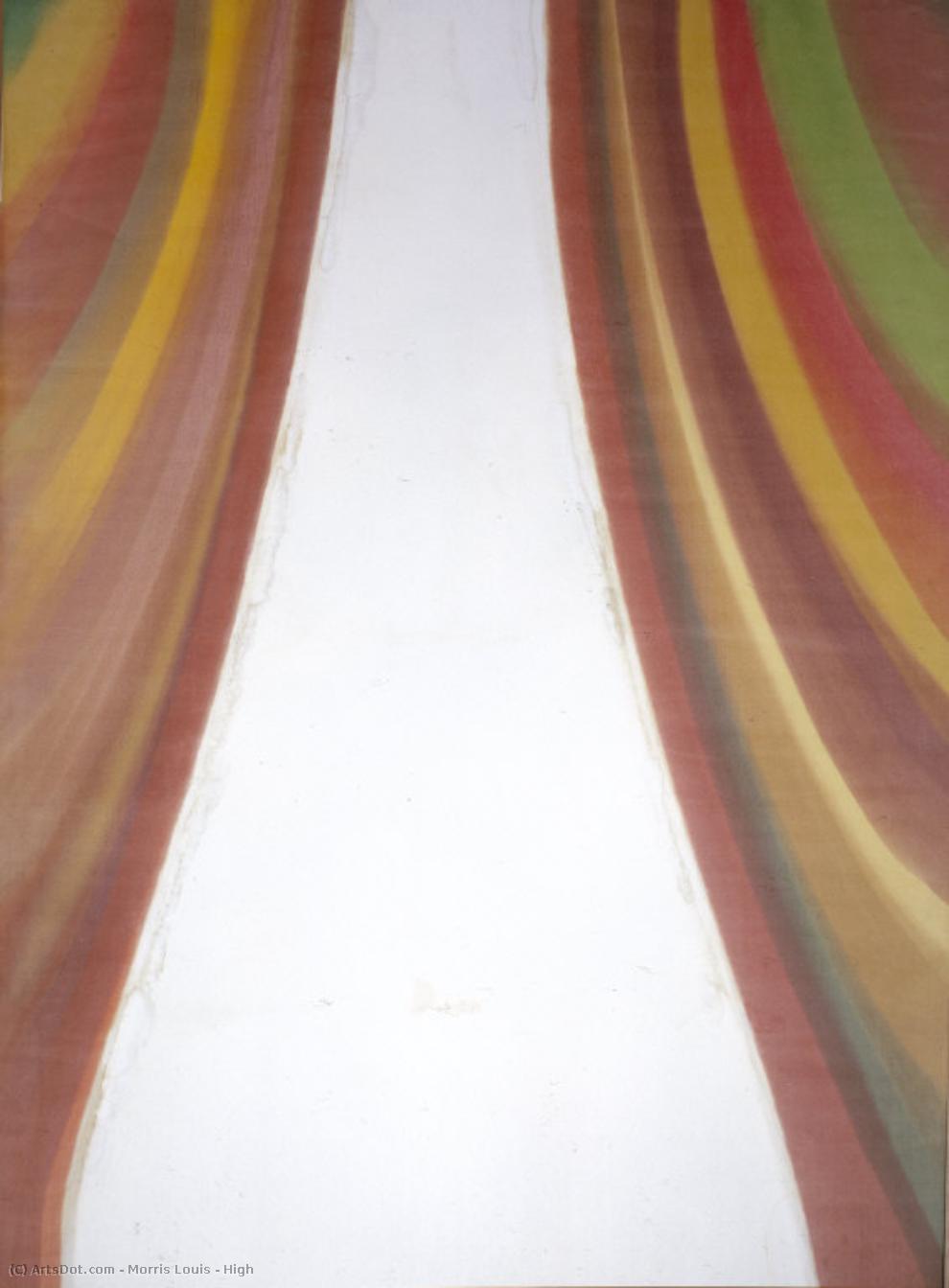
High

Own a stunning High by Morris Louis! This iconic 1959 Color Field painting offers vibrant hues & flowing lines. Hand-painted reproduction – elevate your art collection today.

Descubra Morris Louis (1912-1962), pioneiro da Pintura de Campo de Cor! Explore suas inovadoras 'véus', cores vibrantes e impacto duradouro na arte abstrata.

A obra de arte exibida nesta página é protegida por leis de direitos autorais, o que significa que não podemos criar ou vender legalmente uma reprodução idêntica. Esta proteção é aplicada por meio de acordos internacionais, tais como a Convenção de Berna e pelas leis nacionais, incluindo as estabelecidas por Lei de Direitos Autorais dos EUA - Título 17.

Este método cumpre plenamente as regulamentações de direitos autorais, pois não envolve a cópia ou duplicação da obra protegida. Em vez disso, trata-se de uma reinterpretação criativa — uma nova pintura que é influenciada pela original, mas não idêntica a ela.

Giclée / Impressão de Arte

Impressão giclée ou em tela de qualidade de museu, com produção rápida e opções flexíveis de acabamento. ( Encomendar reprodução pintada à mão Ver Imagem Digital)

Corner sample of the P118B picture frame: moulded polystyrene, 5 cm wide and 3 cm thick
P118B €10
Corner sample of the P118H picture frame: moulded polystyrene, 5 cm wide and 3 cm thick
P118H €10
Corner sample of the P118W picture frame: moulded polystyrene, 5 cm wide and 3 cm thick
P118W €10
Corner sample of the P438Z picture frame: moulded polystyrene, 5.5 cm wide and 3.5 cm thick
P438Z €10
Corner sample of the P508JH picture frame: moulded polystyrene, 7 cm wide and 3.5 cm thick
P508JH €12
Corner sample of the P508YH picture frame: moulded polystyrene, 7 cm wide and 3.5 cm thick
P508YH €12
Corner sample of the P805H picture frame: moulded polystyrene, 5 cm wide and 3.5 cm thick
P805H €10
Corner sample of the P805Z picture frame: moulded polystyrene, 5 cm wide and 3.5 cm thick
P805Z €10
Corner sample of the P919BZ picture frame: moulded polystyrene, 7 cm wide and 3.5 cm thick
P919BZ €10
Corner sample of the P919G picture frame: moulded polystyrene, 7 cm wide and 3.5 cm thick
P919G €10
Corner sample of the P919XJ picture frame: moulded polystyrene, 7 cm wide and 3.5 cm thick
P919XJ €10
Corner sample of the P959ZH picture frame: moulded polystyrene, 5 cm wide and 3 cm thick
P959ZH €10
Corner sample of the P968JZ picture frame: moulded polystyrene, 6 cm wide and 4 cm thick
P968JZ €12
Corner sample of the W106C picture frame: solid wood, 5 cm wide and 3 cm thick
W106C €8
Corner sample of the W218G picture frame: solid wood, 5 cm wide and 3 cm thick
W218G €10
Corner sample of the W218JH picture frame: solid wood, 5 cm wide and 3 cm thick
W218JH €8
Corner sample of the W218Y picture frame: solid wood, 5 cm wide and 3 cm thick
W218Y €10
Corner sample of the W307PJ picture frame: solid wood, 6 cm wide and 3 cm thick
W307PJ €10
Corner sample of the W316G picture frame: solid wood, 6 cm wide and 3 cm thick
W316G €10
Corner sample of the W316PJ picture frame: solid wood, 6 cm wide and 3 cm thick
W316PJ €8
Corner sample of the W316Y picture frame: solid wood, 6 cm wide and 3 cm thick
W316Y €10
Corner sample of the W398PJ picture frame: solid wood, 5 cm wide and 3 cm thick
W398PJ €8
Corner sample of the W4111J picture frame: solid wood, 6.5 cm wide and 3.5 cm thick
W4111J €10
Corner sample of the W500HY picture frame: solid wood, 7 cm wide and 5 cm thick
W500HY €15
Corner sample of the W500JH picture frame: solid wood, 7 cm wide and 5 cm thick
W500JH €15
Corner sample of the W692G picture frame: solid wood, 8 cm wide and 4 cm thick
W692G €12
Corner sample of the W849H picture frame: solid wood, 5 cm wide and 3 cm thick
W849H €8
Corner sample of the W940BG picture frame: solid wood, 7.5 cm wide and 4.5 cm thick
W940BG €15
Corner sample of the W953PJ picture frame: solid wood, 6 cm wide and 3.5 cm thick
W953PJ €8

Padrão
sob medida
CM
INCH

Escolha entre os nossos tamanhos pré-definidos que respeitam as proporções originais da obra de arte.

largura
altura

Você pode inserir suas próprias dimensões para se ajustar a uma moldura ou espaço específico. Se o tamanho selecionado não corresponder às proporções da imagem original, iremos recortar a obra de arte ou estender a imagem com uma borda espelhada ou preenchimento sólido. Um mockup digital será enviado para sua aprovação antes do início da produção.
Por favor, observe que a visualização na tela não reflete o recorte ou a extensão real. Apenas o mockup mostrará com precisão a composição final.
Embora tamanhos personalizados estejam disponíveis, recomendamos selecionar uma dimensão da lista predefinida para preservar as proporções originais.

Entrega mundial () em 2 semanas, em vez das 4/5 semanas padrão. (10 Outubro)

Envio expresso gratuito para todo o mundo
Tela de Linho Premium
Seguro de transporte total
Garantia de Reembolso de Impostos Alfandegários
Garantia de Fidelidade de Cor
Política de Devolução em 100 Dias (Apenas para Defeitos)
Garantia de reembolso de 100%
Desconto para múltiplas unidades

Preço Total

€ 59

High

Giclée / Impressão de Arte

Dimensões da Reprodução

-

Preço Total

€ 59

Detalhes Rápidos

  • Medium: Acrylic on canvas
  • Location: Dallas Museum of Art
  • Influences:
    • Cézanne
    • Speicher
  • Artistic style: Abstract Expressionism
  • Title: High
  • Notable elements: Staining technique
  • Artist: Morris Louis

Teste de Conhecimentos Artísticos

Cada pergunta possui apenas uma resposta correta.

Questão 1:
What is the primary style of painting exemplified by ‘High’ by Morris Louis?
Questão 2:
The white space in 'High' is most likely intended to:
Questão 3:
What technique did Morris Louis primarily use to create his paintings, as described in the text?
Questão 4:
In what year was ‘High’ created by Morris Louis?
Questão 5:
Morris Louis's work is often associated with which broader artistic movement?

Morris Louis’s “High”: A Cascade of Color and Quiet Intensity

Morris Louis’s “High,” painted in 1959, isn't merely a canvas splashed with color; it’s an invitation to contemplate the very nature of perception and emotion. This pivotal work from the Washington Color School movement embodies Louis’s groundbreaking approach to Abstract Expressionism, moving beyond traditional brushstrokes and sculptural forms to create a dynamic field of layered hues that seem to both dissolve and intensify before your eyes. The painting immediately draws you in with its verticality – two distinct channels of white space act as anchors, framing washes of vibrant yellow, green, pink, and brown that bleed into one another with an almost liquid grace.

Louis’s technique was revolutionary for its time. He eschewed the conventional methods of painting, opting instead to pour diluted acrylic paint directly onto unprimed canvas. This “staining” process allowed the colors to permeate the fabric itself, creating a sense of depth and luminosity that is rarely achieved with traditional layering techniques. The resulting surface isn’t smooth or polished; it possesses a subtle texture – a testament to the way the pigment soaked into the raw linen, lending an organic quality to the composition. This deliberate roughness contrasts beautifully with the fluidity of the color fields, generating a captivating tension between solidity and transparency.

Decoding the Language of Color

The palette of “High” is deceptively simple yet profoundly rich. Louis wasn’t interested in creating representational images; instead, he sought to evoke feelings through pure color relationships. The yellows are not bright or assertive but rather muted, almost melancholic, while the greens possess a subtle depth and complexity. The pinks range from delicate blush tones to warmer, more saturated hues, contributing to an overall sense of harmony and movement. Importantly, Louis avoided sharp edges or defined shapes, allowing the colors to flow into one another seamlessly. This deliberate ambiguity invites viewers to project their own emotions and interpretations onto the canvas.

The central white space within “High” is particularly significant. It’s not merely a void but rather an active element—a pathway, a breath of air, or perhaps even a reflection of the viewer's own inner landscape. The surrounding colors seem to radiate outwards from this core, creating a sense of expansion and release. This interplay between color and space is central to Louis’s artistic vision, suggesting that art can be experienced not just as an object but as a dynamic process of perception.

A Reflection of the Era

“High” was created during a period of profound social and cultural change in America. The post-war era witnessed a growing interest in psychology, spirituality, and alternative ways of experiencing reality. Abstract Expressionism, with its emphasis on subjective experience and emotional expression, provided a powerful outlet for these emerging sensibilities. Louis’s Color Field paintings—characterized by their large scale and focus on color alone—were particularly attuned to this cultural shift, offering viewers a chance to engage in a meditative and deeply personal encounter with art.

The painting's creation coincided with Louis's discovery of Magna paint, a revolutionary acrylic medium developed for him by Leo Sebak. This new material allowed for unprecedented control over color saturation and transparency, enabling Louis to achieve the delicate layering and luminous effects that define his work. The use of Magna paint was crucial to his ability to create the fluid, staining textures that characterize “High” and other paintings from this period.

Beyond Representation: An Invitation to Feeling

Ultimately, "High" is a testament to Louis’s belief that color could speak directly to the soul. It's not about depicting a specific scene or object; it’s about conveying an emotional state—a sense of openness, release, and quiet intensity. The painting invites viewers to step into its world of pure color and experience art as a source of profound personal resonance. It remains a powerful example of how abstraction can transcend representation and tap directly into the human heart.

Perguntas e Respostas

Em que ano foi criado "High" de Morris Louis?

"High" data de 1959. A data situa a obra na carreira de Morris Louis e em sua época.

Quem criou "High" e em qual estilo se encontra?

Morris Louis criou "High" dentro do movimento Color Field Painting.

Qual era a idade de Morris Louis ao criar "High" em 1959?

Morris Louis tinha 47 anos quando criou "High" em 1959. A idade é calculada a partir do ano de nascimento do artista, 1912.

As cores de "High" de Morris Louis são saturadas ou suaves?

"High" de Morris Louis é registrado com uma saturação de Subtle Color.

Que tipo de cores "High" utiliza?

"High" de Morris Louis utiliza uma paleta de cores Neutrals. A paleta resume o caráter cromático geral da obra.

"High" de Morris Louis encontra-se no país de origem do artista?

Sim – a obra de arte encontra-se no país de origem do artista. O criador nasceu em Estados Unidos da América; a obra original está em Estados Unidos da América.

Quem é o artista por trás de "High"?

"High" é atribuída a Morris Louis.


Biografia do Artista

Primeiros Anos e Formação

  • Nascimento: Morris Louis Bernstein, 28 de novembro de 1912, Baltimore, Maryland
  • Pais: Louis Bernstein (vendedor de móveis) e Cecelia Luckemente Bernstein.
  • Educação: Frequentou escolas públicas em Baltimore; Maryland Institute of Fine and Applied Arts (atual MICA), 1929-1932. Não concluiu o curso.
  • As primeiras influências incluíram Eugene Speicher e Paul Cézanne.
  • Demonstrou um interesse precoce pela arte, incentivado por sua família, apesar das oportunidades limitadas em Baltimore.

Desenvolvimento Artístico e Principais Influências

  • Década de 1930: Trabalhou em diversos empregos informais para se sustentar enquanto pintava (descascar vegetais, lavanderia, pesquisa para o Gallup Poll).

  • 1934-1936: Participou do projeto de murais Public Works of Art Project sob a direção de Sam Swerdloff.
  • 1936-1937: Mudou-se para a cidade de Nova York; experimentou técnicas no Siqueiros Workshop.
  • A Descoberta da Tinta Magna (1948): Um momento crucial – Louis foi pioneiro no uso da tinta Magna, uma tinta acrílica à base de óleo recém-desenvolvida e criada especialmente para ele por Leonard Bocour e Sam Golden. Isso permitiu maior fluidez e transparência em sua obra.
  • A Influência de Helen Frankenthaler: Em 1953, Louis e Kenneth Noland visitaram o estúdio de Frankenthaler e ficaram profundamente impressionados com suas pinturas por imersão (particularmente "Mountains and Sea"). Isso inspirou suas experimentações com técnicas de vertimento e manchas.

As Pinturas Véu e as Inovações do Color Field

  • Pinturas Véu Maduras (1954): Caracterizadas por camadas sobrepostas e sobrepostas de cor transparente, vertidas e absorvidas em telas preparadas ou não.
  • Técnica: Tinta extremamente diluída era aplicada em uma tela sem preparação e sem estiramento, permitindo que fluísse sobre a superfície inclinada, criando véus de cores translúcidas. Isso eliminava as pinceladas e enfatizava a bidimensionalidade.
  • Pintura Color Field: Louis tornou-se uma figura central na pintura Color Field (Campo de Cor), simplificando o espaço pictórico e enfatizando planos planos de cores intensas. Ele fez parte do movimento Washington Color School.
  • Séries e Estilos: Além das pinturas Véu, ele explorou séries como florais, colunas (1960), "unfurleds" (1960-61) – apresentando riachos de cor opaca – e pinturas de listras (1961-62).

Grandes Conquistas e Significado Histórico

  • Pioneirismo no Color Field Painting: Louis é reconhecido como um inovador fundamental na pintura Color Field, ao lado de artistas como Kenneth Noland e Helen Frankenthaler.
  • Influência no Expressionismo Abstrato: Sua obra expandiu as fronteiras do Expressionismo Abstrato ao focar na cor e na planaridade, em vez do gesto ou da composição.
  • Washington Color School: Um contribuidor significativo para este movimento influente, que enfatizava uma abordagem redutiva da pintura.
  • Destruição de Obras: Notavelmente, Louis destruiu muitas de suas pinturas entre 1955 e 1957, refletindo uma autocrítica rigorosa de seu trabalho.
  • Legado: Sua ênfase na cor, na planicidade e na materialidade da tinta continua a influenciar artistas contemporâneos.

Anos Finais e Falecimento

  • Louis continuou pintando de forma prolífica até sua morte.
  • Falecimento: Faleceu em 7 de setembro de 1962, em Washington, D.C., aos 49 anos.
  • Exposição Memorial (1963): Uma exposição significativa foi realizada no Solomon R. Guggenheim Museum pouco após sua morte.
  • Exposições Retrospectivas: Grandes retrospectivas seguiram-se no Museum of Fine Arts, Boston (1967), e na National Gallery of Art, Washington, D.C. (1976).
Morris Louis

Morris Louis

1912 - 1962 , Estados Unidos da América

Informações Rápidas

  • Artistas Influentes:
    • Helen Frankenthaler
    • Cézanne
  • Data De Nascimento: 28 de novembro de 1912
  • Influenciou:
    • Kenneth Noland
    • Washington Color School
  • Local De Nascimento: Baltimore, EUA
  • Movimento Artístico: Color Field Painting
  • Nacionalidade: Americano
  • Nome Completo: Morris Louis Bernstein
  • Obras Notáveis:
    • High
    • Número 1-36
    • Where
    • Número 1-68
    • Gamma Tau
    • Terceiro Elemento
    • Delta Theta
Explore obras de arte organizadas por temas, estilos e características.