Consultoria de arte gratuita

x
Comprar impressão Comprar impressãoComprar imagem em alta resolução Comprar imagem em alta resolução EnviarEnviar
DetalhesDetalhes Adicionar aos favoritos Adicionar aos favoritos BaixarBaixar SemelhantesSemelhantes Raio XRaio X SlideshowSlideshow

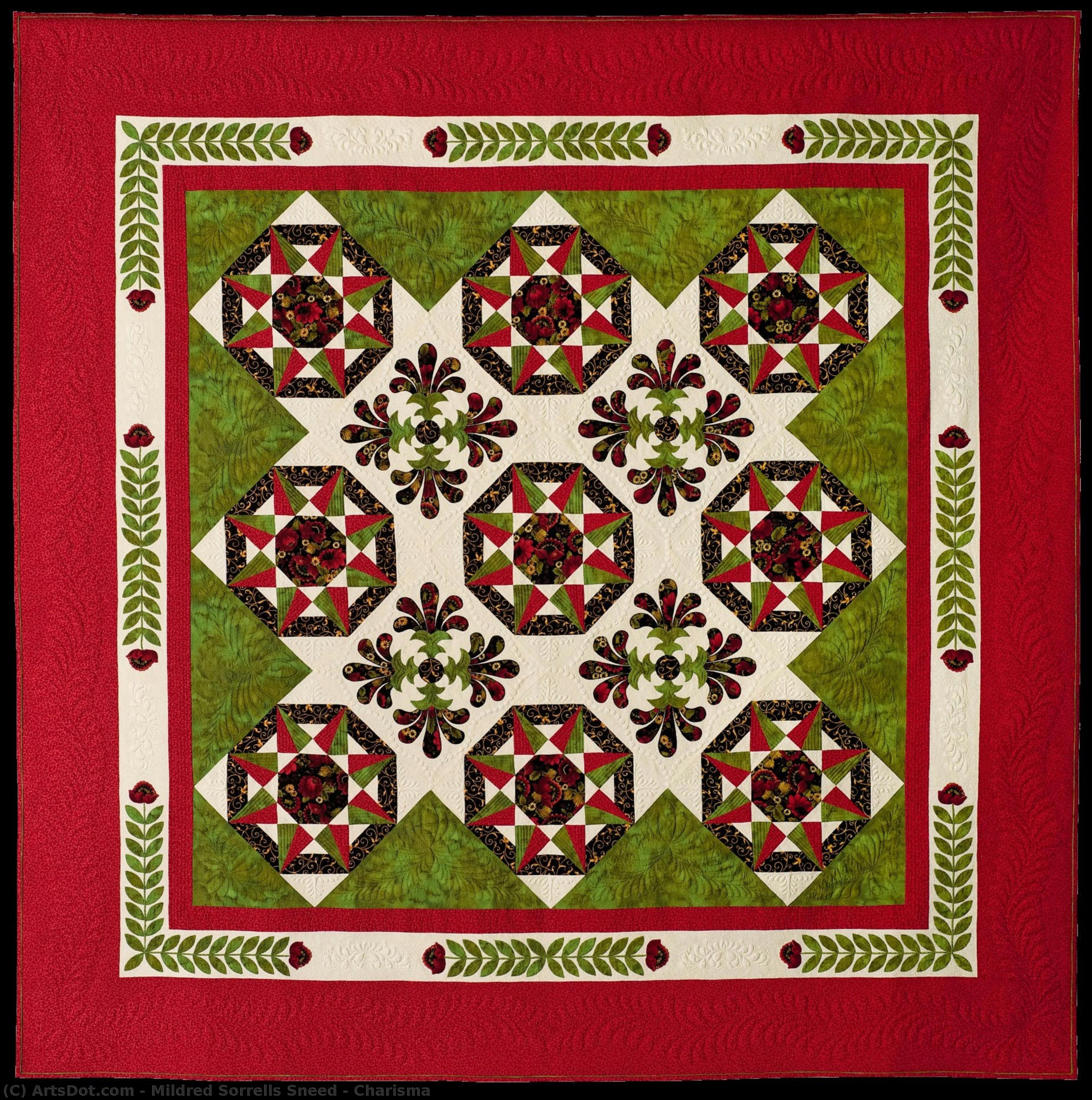
Charisma

Quadro "Charisma" de Mildred Sorrells Sneed: Uma obra delicada que celebra a beleza da vida cotidiana em quilte colorida e detalhada. Descubra mais!

Discover Mildred Sorrells Sneed's exquisite handmade quilts – ‘Charisma’ & ‘Golden Glow’. Celebrating American quilting artistry since 1746, explore her legacy at WahooArt.com!

Reprodução em Óleo Feita à Mão

Óleo sobre tela pintado à mão no seu tamanho e moldura, feito sob encomenda pelos nossos artistas.

P118B $10
P118H $10
P118W $10
P438Z $10
P508JH $12
P508YH $12
P805H $10
P805Z $10
P919BZ $10
P919G $10
P919XJ $10
P959ZH $10
P968JZ $12
W106C $8
W218G $10
W218JH $8
W218Y $10
W307PJ $10
W316G $10
W316PJ $8
W316Y $10
W398PJ $8
W4111J $10
W500HY $15
W500JH $15
W692G $12
W849H $8
W940BG $15
W953PJ $8

Standard
custom
CM
INCH

Escolha entre os nossos tamanhos pré-definidos que respeitam as proporções originais da obra de arte.

largura
altura

Pode inserir as suas próprias dimensões para se adequar a uma moldura ou espaço específico. Se o tamanho selecionado não corresponder às proporções da imagem original, iremos cortar a obra de arte ou estender a pintura com elementos adicionais pintados à mão. Um esboço digital será enviado para sua aprovação antes do início da produção.
Tenha em atenção que a pré-visualização no ecrã não reflete o corte ou extensão real. Apenas o esboço mostrará com precisão a composição final.
Embora tamanhos personalizados estejam disponíveis, recomendamos selecionar uma dimensão da lista predefinida para preservar as proporções originais.

Exemplos do que pode ser alterado: Substituir o rosto pela foto do cliente; Adicionar um animal de estimação (ex: substituir gato por cão); Incluir uma mensagem oculta no fundo; Alterar a paisagem ou elementos do fundo.
Após o pedido, a equipa WahooArt.com enviará um e-mail ao cliente para solicitar instruções e fornecer uma prévia do esboço.

Entrega Mundial () em 3 a 4 semanas, em vez das 5 semanas padrão. (2 Julho). Sem comprometer a qualidade.

why_choose_icon
Envio Expresso Gratuito para todo o Mundo
why_choose_icon
Tela de Linho Premium
why_choose_icon
Seguro de envio completo
why_choose_icon
Garantia de Reembolso de Impostos Alfandegários
why_choose_icon
Garantia de Fidelidade de Cores
why_choose_icon
Política de Devolução de 60 Dias (Apenas para Defeitos)
why_choose_icon
Garantia de 100% de Reembolso
why_choose_icon
Desconto para múltiplas unidades

Preço Total

-

reproduction

Charisma

Técnica de Reprodução

Dimensões da Reprodução

-

Preço Total Final

-

Dados Rápidos

  • Influences: Romantic Era
  • Subject or theme: Domestic Textile Design
  • Title: Charisma
  • Artistic style: Detailed Decorative Art
  • Medium: Quilt
  • Notable elements or techniques: Circles, Diamonds, Atmospheric Perspective
  • Location: Private Collection

Teste de Arte

Cada pergunta possui apenas uma resposta correta.

Pergunta 1:
What is the primary artistic style associated with Mildred Sorrells Sneed?
Pergunta 2:
The quilt’s design prominently features geometric shapes like circles and diamonds. What is the significance of this stylistic choice?
Pergunta 3:
Who championed William Adames’s work and recognized his ability to convey emotion through everyday subjects?
Pergunta 4:
What technique did William Adames employ to create a sense of depth and distance in his landscapes?
Pergunta 5:
The quilt’s color palette includes red, green, white, and black. How does this color scheme contribute to the overall mood or impression conveyed by the artwork?

Descrição da Obra

Charisma: A Quiet Symphony of Color and Texture

Mildred Sorrells Sneed’s “Charisma” isn't merely a quilt; it’s a testament to the enduring power of handcrafted artistry and a subtle celebration of American quilting tradition dating back to 1746. At WahooArt.com, you can immerse yourself in the beauty of this remarkable piece.

  • Subject Matter: The artwork presents a meticulously crafted quilt featuring a dominant red background adorned with an intricate geometric pattern composed of circles and diamonds. These shapes aren’t randomly placed; they speak to a deliberate aesthetic choice rooted in classical design principles.
  • Style & Technique: Sneed's masterful technique utilizes appliqué quilting—a method where fabric pieces are sewn onto the quilt surface, creating dimensional textures and enhancing visual appeal. The careful layering of fabrics contributes significantly to the overall impression of depth and richness.
  • Color Palette: The color scheme is remarkably restrained yet impactful. Primarily dominated by crimson red, it’s punctuated by splashes of emerald green, ivory white, and charcoal black—a harmonious blend that evokes feelings of serenity and understated elegance.
  • Historical Context: Quilting has served as a cornerstone of American culture for centuries, representing resilience, practicality, and familial bonds. “Charisma” embodies this heritage, reflecting the values of its creator and echoing artistic sensibilities prevalent during the early 21st century.

Beyond its visual beauty, "Charisma" possesses an emotional resonance that transcends mere decoration. The repetition of geometric shapes—circles and diamonds—can symbolize wholeness, stability, and interconnectedness – concepts frequently explored in art throughout history. Furthermore, the quilt’s quiet grandeur speaks to a profound appreciation for craftsmanship and a desire to capture moments of contemplative beauty.

Explore the legacy of Mildred Sorrells Sneed and discover how “Charisma” can elevate your interior space at WahooArt.com!


Biografia do Artista

The Echoes of the Everyday: Exploring the Work of William Adames

William Adames (1803-1835), a name perhaps less heralded than his contemporaries in the Romantic era, nevertheless carved out a unique and profoundly affecting space within British art. Born in Wotton under Edgehill, Gloucestershire, into a family of modest means, Adames’s early life instilled in him a deep appreciation for the beauty found in the commonplace – a sensibility that would become the cornerstone of his artistic vision. His father, a carpenter, fostered an understanding of form and structure, while his mother's love of embroidery subtly influenced his meticulous attention to detail. Unlike many artists of his time who sought grand historical or mythological subjects, Adames chose to depict scenes from rural life, portraits of ordinary people, and still lifes imbued with a quiet dignity. This deliberate focus on the everyday was not born of indifference but rather a conscious rejection of prevailing artistic conventions, a desire to elevate the humble and reveal the inherent poetry within it. Adames’s artistic journey began modestly, apprenticed to a local painter in Bristol. He honed his skills diligently, mastering techniques of watercolor and gouache, mediums perfectly suited to capturing the subtle nuances of light and texture he so keenly observed. Early works showcased landscapes of Gloucestershire, rendered with remarkable precision and an almost photographic quality – a testament to his meticulous observation. However, it was his portraits that truly distinguished him. He eschewed the formal poses and idealized features favored by many portrait painters, instead presenting subjects in relaxed, natural settings, capturing their personalities with startling honesty. His portraits weren’t about grandeur; they were about revealing the soul of the sitter – a farmer contemplating his field, a young woman mending her clothes, an elderly gentleman reading a book. These images offered a rare glimpse into the lives of ordinary people, imbuing them with dignity and respect. A pivotal moment in Adames’s career arrived through his association with John Ruskin, the influential art critic and theorist. Ruskin, deeply impressed by Adames's ability to imbue everyday subjects with profound emotional resonance, championed his work and became a devoted patron. Ruskin recognized in Adames’s paintings a reflection of his own philosophy – a belief that beauty could be found not only in grand narratives but also in the simple acts of daily life. Ruskin’s advocacy brought Adames considerable recognition, securing commissions and introducing him to a wider audience. He was particularly drawn to Adames's ability to capture the fleeting effects of light and atmosphere, often employing a technique he described as “atmospheric perspective,” creating a sense of depth and distance through subtle gradations of color and tone. This skill allowed him to transform ordinary scenes into evocative landscapes that resonated with viewers on an emotional level. Adames’s artistic development can be traced through a fascinating evolution in his subject matter. Initially focused on landscape, he gradually shifted towards portraiture, then increasingly explored still lifes – arrangements of fruit, flowers, and domestic objects. These still lifes weren't merely depictions of inanimate objects; they were carefully constructed compositions designed to evoke specific moods and emotions. The arrangement of a bowl of apples, for instance, might convey themes of abundance, decay, or the passage of time. His later works often incorporated symbolic elements – a single flower representing loss, a weathered tool symbolizing labor, a worn book suggesting wisdom. These subtle allusions added layers of meaning to his paintings, inviting viewers to contemplate their own experiences and interpretations. Despite achieving some recognition during his lifetime, William Adames’s legacy remained largely obscured for many years after his untimely death in 1835 at the age of thirty-two. His work was often overlooked in favor of more flamboyant Romantic artists. However, in recent decades, there has been a growing appreciation for Adames's unique vision and profound sensitivity. His paintings are now recognized as significant examples of British watercolor art, offering a poignant reminder that beauty can be found not only in the grand and spectacular but also in the quiet dignity of everyday life. His meticulous observation, coupled with his ability to infuse ordinary subjects with emotion and symbolism, ensures that William Adames’s work continues to resonate with viewers today, inviting us to pause and consider the poetry hidden within the seemingly mundane.
mildred sorrells sneed

mildred sorrells sneed

1835 , United States of America

Informações Rápidas

  • Artistic Movement Or Style: World Goes Pop
  • Date Of Death: 1835
  • Notable Artworks:
    • Evelyne Axell
    • Joav BarEl
    • Thomas Bayrle
Explore obras de arte organizadas por temas, estilos e características.