Uma Renascença Forjada em Pedra e Tinta
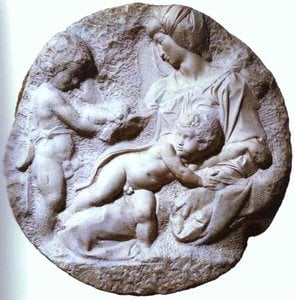
Michelangelo Buonarroti, um nome sinônimo do Alto Renascimento, ecoa através dos séculos como um testemunho do potencial artístico humano. Nascido em 6 de março de 1475, em Caprese Michelangelo, aninhado nas colinas toscanas da Itália, sua vida foi uma extraordinária convergência de talento, ambição e inspiração divina. Embora inicialmente tenha encontrado resistência de seu pai em relação a um caminho artístico, o dom inato do jovem Michelangelo para o desenho provou ser inegável, lançando-o em um curso para redefinir os limites da escultura, pintura e arquitetura. Seu aprendizado inicial com Domenico Ghirlandaio forneceu habilidades fundamentais em afresco e desenho, mas foi nos jardins dos Medici – um refúgio da antiguidade clássica – que sua alma artística realmente despertou. Imerso no estudo de esculturas gregas e romanas, Michelangelo absorveu os princípios da anatomia, proporção e beleza idealizada que se tornariam as marcas registradas de seu estilo. Este período formativo não foi apenas treinamento técnico; foi uma imersão filosófica nos ideais humanistas florescendo durante o Renascimento, uma ênfase na dignidade e potencial humano que moldou profundamente sua visão artística.
Da Dor da Pietà à Força do Davi
A ascensão de Michelangelo no mundo da arte foi notavelmente rápida. Em 1496, ele viajou para Roma, onde recebeu seu primeiro grande encargo: a escultura da *Pietà*. Concluída em 1499 para o cardeal Jean de Bilhères, esta deslumbrante obra-prima de mármore – agora abrigada na Basílica de São Pedro – estabeleceu imediatamente Michelangelo como um escultor de habilidade e profundidade emocional incomparáveis. A beleza serena e a pungente tristeza capturadas no rosto de Maria embalando o corpo de Cristo foram revolucionárias, demonstrando uma capacidade de imbuir pedra fria com profundo sentimento humano. Este sucesso inicial abriu caminho para sua próxima empreitada monumental: *David*. Esculpida entre 1501 e 1504 a partir de um único bloco de mármore de Carrara, a estátua com mais de cinco metros de altura tornou-se um símbolo dos ideais republicanos florentinos – uma encarnação desafiadora de força, coragem e virtude cívica. A precisão anatômica, a pose dinâmica e a intensidade psicológica do *David* foram sem precedentes, solidificando a reputação de Michelangelo como um mestre escultor capaz de dar vida à pedra. Não era apenas a escala que impressionava; era o palpável senso de energia contida, a antecipação da ação congelada no mármore, que cativava os espectadores então e continua a fazê-lo hoje.
A Capela Sistina: Uma Tela Divina
Talvez o legado mais duradouro de Michelangelo esteja nas paredes da Capela Sistina. Em 1508, o Papa Júlio II o encarregou de pintar o teto da capela – uma tarefa que consumiria quatro anos de sua vida e alteraria para sempre o curso da arte ocidental. Inicialmente relutante, considerando-se principalmente um escultor, Michelangelo ainda assim aceitou o desafio, embarcando em um ciclo monumental de afrescos retratando cenas do Gênesis. Trabalhando em condições árduas, muitas vezes deitado de costas por horas, ele pintou mais de 300 figuras com detalhes impressionantes e brilhantismo composicional. *A Criação de Adão*, talvez a imagem mais icônica do teto da capela, captura a faísca divina passando entre Deus e a humanidade – um poderoso símbolo de criação e potencial. Além deste painel famoso, todo o ciclo é uma prova do poder narrativo de Michelangelo, seu domínio da anatomia e sua capacidade de transmitir conceitos teológicos complexos por meio da narrativa visual. Simultaneamente, ele começou a trabalhar no túmulo do Papa Júlio II – um projeto ambicioso que permaneceria inacabado em sua grandeza original, mas rendeu esculturas poderosas como *Moisés*.
Arquitetura, Maneirismo e uma Influência Duradoura
Nos anos posteriores de sua vida, os talentos de Michelangelo se estenderam à arquitetura. Em 1520, ele tornou-se arquiteto da Basílica de São Pedro em Roma, alterando significativamente o projeto original de Bramante com um plano mais imponente e estruturalmente sólido. Esta transição marcou uma mudança para o Maneirismo – um estilo caracterizado por formas alongadas, poses exageradas e composições dramáticas. Essa evolução estilística é vividamente aparente em *O Juízo Final*, pintado na parede do altar da Capela Sistina entre 1536 e 1541. O afresco retrata a Segunda Vinda de Cristo com uma sensação avassaladora de drama e intensidade emocional, refletindo um clima espiritual mais turbulento. A influência de Michelangelo se estendeu muito além de sua própria vida. Ele impactou profundamente os movimentos artísticos do Alto Renascimento e Maneirismo, inspirando gerações de artistas com sua precisão anatômica, composições dinâmicas e profunda exploração da condição humana.
Um Legado Gravado no Tempo
Michelangelo morreu em 18 de fevereiro de 1564, em Roma, deixando para trás um corpo incomparável de trabalho que continua a cativar e inspirar. Ele permanece uma figura imponente na história da arte – o quintessential “homem renascentista” – cujas esculturas, pinturas e projetos arquitetônicos moldaram nossa compreensão de beleza, poder e potencial humano. Seu legado não é apenas um de conquista artística; é um testemunho do poder duradouro da criatividade, dedicação e busca implacável pela perfeição.
Ele demonstrou que a arte poderia transcender a mera representação, tornando-se um veículo para expressão espiritual e emocional profunda. Os ecos de seu gênio ressoam em museus e igrejas ao redor do mundo, garantindo que Michelangelo Buonarroti seja para sempre lembrado como um dos maiores artistas que já viveram.
- Influências: Antiguidade Clássica (escultura grega e romana), Humanismo Renascentista, tradição artística florentina (Donatello, Masaccio).
- Obras-chave: *Pietà*, *David*, afrescos do teto da Capela Sistina (*A Criação de Adão*), *O Juízo Final*, Túmulo de Júlio II.
- Estilo Artístico: Inicialmente Idealismo Clássico, evoluindo para um Maneirismo dinâmico e expressivo.



 Visualizar em escala
 Encomendar reprodução pintada à mão
 Enviar
 Compartilhar
 Ver detalhes
 Guia
Guia

 Baixar imagem
 Semelhantes
 Raio X
 Apresentação de slides
 Estatísticas
 Ver mais






































 A opção de vidro está disponível apenas para tamanhos inferiores a 110 cm