Consultoria de arte gratuita

x
Encomendar pintura Encomendar pinturaComprar imagem em alta resolução Comprar imagem em alta resolução EnviarEnviar
DetalhesDetalhes Adicionar aos favoritos Adicionar aos favoritos BaixarBaixar SemelhantesSemelhantes Raio XRaio X SlideshowSlideshow

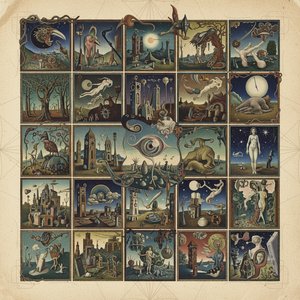
untitled (7908)

Witness the unsettling beauty of Max Ernst's 'untitled (7908)'. This surrealist sculpture captures organic forms and animalistic details, reflecting themes of transformation & the unconscious mind within a dreamlike composition.

Explore o universo surreal de Max Ernst (1891-1976)! Pioneiro do Dada e Surrealismo, suas obras inovadoras usam frottage, colagens e paisagens oníricas com temas psicológicos. #MaxErnst #Surrealismo #Dada

Giclê / Impressão de Arte

Impressão giclée ou em tela de qualidade de museu, com produção rápida e opções flexíveis de acabamento.

P118B $10
P118H $10
P118W $10
P438Z $10
P508JH $12
P508YH $12
P805H $10
P805Z $10
P919BZ $10
P919G $10
P919XJ $10
P959ZH $10
P968JZ $12
W106C $8
W218G $10
W218JH $8
W218Y $10
W307PJ $10
W316G $10
W316PJ $8
W316Y $10
W398PJ $8
W4111J $10
W500HY $15
W500JH $15
W692G $12
W849H $8
W940BG $15
W953PJ $8

Standard
custom
CM
INCH

Escolha entre os nossos tamanhos pré-definidos que respeitam as proporções originais da obra de arte.

largura
altura

Você pode inserir suas próprias dimensões para se ajustar a uma moldura ou espaço específico. Se o tamanho selecionado não corresponder às proporções da imagem original, iremos recortar a obra de arte ou estender a imagem com uma borda espelhada ou preenchimento sólido. Um mockup digital será enviado para sua aprovação antes do início da produção.
Por favor, observe que a visualização na tela não reflete o recorte ou a extensão real. Apenas o mockup mostrará com precisão a composição final.
Embora tamanhos personalizados estejam disponíveis, recomendamos selecionar uma dimensão da lista predefinida para preservar as proporções originais.

Entrega mundial () em 2 semanas, em vez das 4/5 semanas padrão. (3 Julho)

why_choose_icon
Envio Expresso Gratuito para todo o Mundo
why_choose_icon
Tela de Linho Premium
why_choose_icon
Seguro de envio completo
why_choose_icon
Garantia de Reembolso de Impostos Alfandegários
why_choose_icon
Garantia de Fidelidade de Cores
why_choose_icon
Política de Devolução de 60 Dias (Apenas para Defeitos)
why_choose_icon
Garantia de 100% de Reembolso
why_choose_icon
Desconto para múltiplas unidades

Preço Total

-

reproduction

untitled (7908)

Giclê / Impressão de Arte

Dimensões da Reprodução

-

Preço Total Final

-

Dados Rápidos

  • Artistic style: Documentary
  • Year: 1926
  • Influences:
    • Dada
    • Psychology
  • Subject or theme: Abstract Symbolism
  • Movement: Surrealism
  • Notable elements: Biomorphic forms
  • Location: Private Collection

Teste de Arte

Cada pergunta possui apenas uma resposta correta.

Pergunta 1:
What artistic movement is Max Ernst most closely associated with?
Pergunta 2:
The photograph of the sculpture primarily emphasizes which aspect of its form?
Pergunta 3:
What material is most likely used in the creation of the sculpture depicted?
Pergunta 4:
Based on the description, what is a possible symbolic meaning conveyed by the intertwined forms in the sculpture?
Pergunta 5:
What year was the sculpture created according to the provided information?

Descrição da Obra

A Descent into the Dreamscape: Max Ernst’s “Untitled (7908)”

Max Ernst's "Untitled (7908)," a deceptively simple black and white photograph of a monumental sculpture, isn’t merely a documentation of an artwork; it’s a portal. Captured in 1926, this image offers a glimpse into the fertile, unsettling mind of one of Surrealism’s most daring pioneers. The sculpture itself—a towering, biomorphic creation—immediately commands attention, its organic forms twisting and merging like a landscape born from a fever dream. It's a piece that speaks to the anxieties and aspirations of a rapidly changing world, reflecting Ernst’s own restless intellectual journey and his fascination with the subconscious.

The photograph’s power lies not just in the sculpture’s arresting form but also in its meticulous execution. The lighting is deliberately muted, casting deep shadows that accentuate the texture of the material—likely wood or clay—and lending a sense of weight and solidity to what could easily appear as ethereal. The composition, tightly framing the sculpture against a neutral background, creates an immediate intimacy, drawing the viewer into this strange, contained world. The handwritten label at the bottom left corner, referencing the artwork’s title and date, subtly anchors us in time while simultaneously reinforcing the feeling of being adrift within a dream.

The Roots of Surrealism: Ernst's Intellectual Landscape

To fully appreciate “Untitled (7908),” one must understand the context of Max Ernst’s artistic development. Born in Brühl, Germany, in 1891, Ernst was profoundly shaped by his early exposure to philosophy and psychology. His academic pursuits at Bonn University—spanning fields from art history to psychiatry—were not simply academic exercises; they were a deliberate attempt to dismantle conventional ways of seeing and understanding the world. This intellectual rigor fueled his experimentation with techniques like *frottage* (rubbing textures onto paper) and *grattage* (scraping paint off a canvas), methods designed to tap into the unconscious mind and bypass rational thought.

Ernst’s disillusionment with the established art world, coupled with his growing interest in psychoanalysis—particularly the work of Sigmund Freud—led him to embrace Surrealism. This movement, emerging from the ashes of Dada, sought to liberate art from the constraints of logic and representation, exploring themes of dreams, sexuality, and the irrational. “Untitled (7908)” embodies this spirit perfectly, presenting a visual manifestation of the subconscious – a landscape sculpted by instinct and imagination.

Decoding the Symbolism: Birds, Beasts, and the Unconscious

The sculpture’s imagery is rich with symbolic potential. The intertwined forms—resembling both animalistic features like horns or antlers and organic growths—suggest themes of transformation, growth, and perhaps even decay. Ernst frequently employed birds in his work, often representing freedom, aspiration, and the ability to transcend earthly limitations. Their presence here reinforces this sense of upward movement and spiritual yearning.

The overall effect is profoundly unsettling yet strangely compelling. The sculpture’s ambiguity invites interpretation, prompting viewers to project their own anxieties and desires onto its surface. It's a visual representation of the internal struggle between reason and instinct, order and chaos—a core concern for Ernst and the Surrealist movement as a whole. The piece doesn’t offer easy answers; instead, it presents a series of questions about the nature of reality, the power of the unconscious, and the human condition.

A Legacy in Reproduction: Bringing the Dreamscape Home

Reproductions of “Untitled (7908)” offer a remarkable opportunity to bring this evocative artwork into your home or office. The stark black and white palette lends itself beautifully to contemporary interiors, providing a sophisticated contrast against brighter colors and textures. The sculpture’s powerful imagery—a testament to Max Ernst's visionary genius—can serve as a constant reminder of the mysteries that lie beneath the surface of our conscious minds.

Whether you are an art collector seeking a unique addition to your collection or simply someone drawn to the beauty and complexity of Surrealism, a high-quality reproduction of “Untitled (7908)” is sure to captivate and inspire. It’s more than just a print; it's a window into the dreamscape of one of art history’s most influential figures.

Obras Relacionadas


Biografia do Artista

A Vida Imersa no Surreal

Max Ernst, nascido Maximilian Maria Ernst em 1º de abril de 1891, em Brühl, Alemanha, foi um espírito inquieto destinado a se tornar uma das figuras mais cruciais do século XX na arte. Sua jornada não foi de treinamento artístico convencional; ao invés disso, foi uma exploração autoguiada, impulsionada por questionamentos filosóficos, fascínio psicológico e uma profunda desilusão com as normas sociais. Seu pai, professor surdo e pintor amador, lhe transmitiu tanto sensibilidade para o mundo quanto uma rebeldia contra a autoridade estabelecida. Essa dualidade precoce se tornaria uma característica definidora de sua visão artística.

Os estudos acadêmicos de Ernst na Universidade de Bonn – abrangendo filosofia, história da arte, literatura, psicologia e psiquiatria – não foram meras distrações, mas elementos fundamentais que informaram profundamente seu trabalho posterior. Ele não estava simplesmente interessado em *como* pintar; ele estava se questionando *por que*. Essa curiosidade intelectual o levou a encontrar as obras inovadoras de Picasso, Van Gogh e Gauguin na exposição Sonderbund em Colónia em 1912, um momento que alterou irreversivelmente sua trajetória artística. As sementes do modernismo haviam sido plantadas.

A Disrupção Dadaísta e o Nascimento das Visões Surrealistas

A catástrofe da Primeira Guerra Mundial se mostrou um ponto de inflexão para Ernst. Suas experiências como soldado em ambos os fronts, oriental e ocidental, o deixaram profundamente abalado, fomentando um ceticismo profundo em relação à ordem estabelecida e uma ânsia por novas formas de expressão. Essa desilusão encontrou terreno fértil no movimento Dada, que ele abraçou com entusiasmo após retornar a Colónia em 1918. Ao lado de Hans Arp – um amigo e colaborador de longa data –, Ernst se tornou uma figura central no grupo Dada de Colónia, rejeitando as convenções artísticas tradicionais e abraçando o absurdo, o acaso e a anti-racionalidade.

No entanto, Dada foi apenas um trampolim. Nos primeiros anos dos anos 1920, Ernst migrou para Paris e juntou-se ao Círculo Surrealista, liderado por André Breton. Isso marcou uma mudança em direção à exploração do reino dos sonhos, da mente inconsciente e do irracional. Influenciado pelas teorias psicanalíticas de Sigmund Freud, Ernst buscou desbloquear as profundezas ocultas da experiência humana através de sua arte. Ele não estava interessado em representar a realidade como ela aparecia, mas sim em revelar as forças psicológicas subjacentes que a moldavam.

Técnicas Pioneiras: Frottage, Grattage e Colagem

A inovação artística de Ernst se estendeu além do assunto; ele era um experimentador incansável com técnicas. Ele não simplesmente adotou métodos existentes—ele inventou novos. Talvez sua contribuição mais famosa seja o frottage, um processo de esfregar lápis ou carvão sobre superfícies texturizadas para criar imagens inesperadas e evocativas. Essa técnica, nascida de um momento de tédio ao observar a textura da madeira, permitiu que Ernst acessasse o inconsciente e gerasse formas que desafiavam o controle consciente. Relacionada intimamente estava o grattage, onde a tinta é raspada sobre a tela, revelando camadas subjacentes.

Ele também empregou magistralmente a colagem, montando elementos díspares – imagens de revistas, ilustrações científicas, fotografias – em composições surreais que desafiaram as noções convencionais de representação. Essas técnicas não eram meras escolhas estilísticas; elas eram integrais à sua exploração do inconsciente e ao seu desejo de perturbar os limites artísticos tradicionais. Suas pinturas frequentemente apresentam imagens simbólicas recorrentes: pássaros (particularmente seu alter ego Loplop), paisagens desoladas, combinações perturbadoras e uma sensação persistente de mistério.

Um Legado de Inovação e Influência

O início da Segunda Guerra Mundial forçou Ernst a fugir da Europa, encontrando refúgio nos Estados Unidos. Ele continuou a pintar e experimentar novas técnicas ao longo de seu exílio, eventualmente retornando à França após a guerra onde permaneceu ativo até sua morte em 1º de abril de 1976, em Paris. Sua influência nas gerações posteriores de artistas é imensurável.

As contribuições de Ernst para o Dada e o Surrealismo foram nada menos que inovadoras. Ele desafiou as normas artísticas, mergulhou nas profundezas da mente inconsciente e inventou técnicas que continuam a inspirar artistas hoje. Ele não era apenas um pintor; ele era um explorador, um provocador e um visionário que expandiu os limites da arte em si.

  • Obras Notáveis: The Entire City, Euclides, Ofrenda funerária, The Angel of the Hearth
  • Influências: Pablo Picasso, Vincent van Gogh, Paul Gauguin, Sigmund Freud, Giorgio de Chirico
  • Movimentos: Dada, Surrealismo
Max Ernst

Max Ernst

1891 - 1976 , Alemanha

Informações Rápidas

  • Artistic Movement Or Style: Dada e Surrealismo
  • Artists Or Movements Influenced By This Artist:
    • Surrealismo
    • Dada
  • Artists Who Influenced This Artist:
    • Picasso
    • Van Gogh
    • Gauguin
  • Date Of Birth: 1 de abril de 1891
  • Date Of Death: 1 de abril de 1976
  • Full Name: Max Ernst
  • Nationality: Alemão-Americano, Francês
  • Notable Artworks:
    • Cidade Inteira
    • Euclides
    • Dove e Floresta
  • Place Of Birth: Brühl, Alemanha
Explore obras de arte organizadas por temas, estilos e características.