

A obra de arte exibida nesta página é protegida por leis de direitos autorais, o que significa que não podemos criar ou vender legalmente uma reprodução idêntica. Esta proteção é aplicada por meio de acordos internacionais, tais como a Convenção de Berna e pelas leis nacionais, incluindo as estabelecidas por Lei de Direitos Autorais dos EUA - Título 17.
Este método cumpre plenamente as regulamentações de direitos autorais, pois não envolve a cópia ou duplicação da obra protegida. Em vez disso, trata-se de uma reinterpretação criativa — uma nova pintura que é influenciada pela original, mas não idêntica a ela.
Impressão giclée ou em tela de qualidade de museu, com produção rápida e opções flexíveis de acabamento. ( Comprar pintura feita à mão Alternar para Imagem Digital)





























Escolha entre os nossos tamanhos pré-definidos que respeitam as proporções originais da obra de arte.

Insira a largura e a altura desejadas para se ajustarem à sua moldura ou parede. Uma impressão pode ser apenas cortada, nunca ampliada além da imagem original; portanto, um tamanho com proporções diferentes resultará na perda de parte da imagem. Enviamos uma maquete digital para sua aprovação antes de realizarmos a impressão. A imagem exibida nesta página não mostra o corte real — apenas a maquete o faz.
Entrega mundial () em 2 semanas, em vez das 4/5 semanas padrão. (1 Novembro)
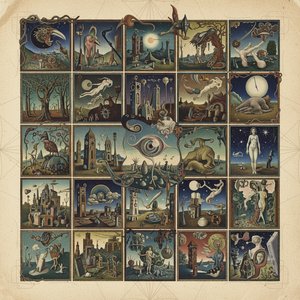
Compendio di storia universale
Tamanho da Reprodução
Max Ernst’s “Compendio di storia universale” presents an arresting visual paradox – a monumental canvas dominated by a seemingly simple red background, yet teeming with layers of complex meaning and unsettling psychological depth. This large-scale work, dating from the artist's prolific output, immediately confronts the viewer with a fragmented face, constructed not through traditional representational techniques but through a deliberate collage of shapes, colors, and subtly layered imagery. It’s a piece that demands prolonged observation, rewarding the patient eye with an increasingly intricate tapestry of anxieties and reflections on the nature of history itself.
Understanding “Compendio di storia universale” requires acknowledging Max Ernst’s unique intellectual background. Born in 1891 in Brühl, Germany, Ernst was a voracious reader and student of philosophy, art history, psychology, and psychiatry – disciplines he pursued with an almost obsessive intensity at the University of Bonn. This interdisciplinary approach profoundly shaped his artistic vision, leading him to reject representational realism in favor of exploring the subconscious mind and challenging established notions of truth and perception. His work is less about depicting a specific reality than it is about excavating hidden anxieties and confronting the viewer with uncomfortable questions about human existence.
The red background itself is laden with symbolic weight. Red has long been associated with passion, violence, and primal instincts – emotions that Ernst frequently explored in his work. The distorted face evokes a sense of unease and vulnerability, suggesting the fragility of human identity in the face of overwhelming historical forces. The inclusion of multiple faces within the background creates a feeling of claustrophobia and suggests the burden of collective memory. “Compendio di storia universale” is not a comfortable image; it’s a powerful and unsettling meditation on the complexities of human experience, inviting viewers to confront their own anxieties about the past and the future.
Em "Compendio di storia universale", um Gentle contraste une-se a uma Unified Palette harmonia.
Max Ernst também é conhecido como Maximilian Maria Ernst.
Um tom Warm Sunset Tones percorre "Compendio di storia universale", de Max Ernst.

Max Ernst, nascido Maximilian Maria Ernst em 1º de abril de 1891, em Brühl, Alemanha, foi um espírito inquieto destinado a se tornar uma das figuras mais cruciais do século XX na arte. Sua jornada não foi de treinamento artístico convencional; ao invés disso, foi uma exploração autoguiada, impulsionada por questionamentos filosóficos, fascínio psicológico e uma profunda desilusão com as normas sociais. Seu pai, professor surdo e pintor amador, lhe transmitiu tanto sensibilidade para o mundo quanto uma rebeldia contra a autoridade estabelecida. Essa dualidade precoce se tornaria uma característica definidora de sua visão artística.
Os estudos acadêmicos de Ernst na Universidade de Bonn – abrangendo filosofia, história da arte, literatura, psicologia e psiquiatria – não foram meras distrações, mas elementos fundamentais que informaram profundamente seu trabalho posterior. Ele não estava simplesmente interessado em *como* pintar; ele estava se questionando *por que*. Essa curiosidade intelectual o levou a encontrar as obras inovadoras de Picasso, Van Gogh e Gauguin na exposição Sonderbund em Colónia em 1912, um momento que alterou irreversivelmente sua trajetória artística. As sementes do modernismo haviam sido plantadas.
A catástrofe da Primeira Guerra Mundial se mostrou um ponto de inflexão para Ernst. Suas experiências como soldado em ambos os fronts, oriental e ocidental, o deixaram profundamente abalado, fomentando um ceticismo profundo em relação à ordem estabelecida e uma ânsia por novas formas de expressão. Essa desilusão encontrou terreno fértil no movimento Dada, que ele abraçou com entusiasmo após retornar a Colónia em 1918. Ao lado de Hans Arp – um amigo e colaborador de longa data –, Ernst se tornou uma figura central no grupo Dada de Colónia, rejeitando as convenções artísticas tradicionais e abraçando o absurdo, o acaso e a anti-racionalidade.
No entanto, Dada foi apenas um trampolim. Nos primeiros anos dos anos 1920, Ernst migrou para Paris e juntou-se ao Círculo Surrealista, liderado por André Breton. Isso marcou uma mudança em direção à exploração do reino dos sonhos, da mente inconsciente e do irracional. Influenciado pelas teorias psicanalíticas de Sigmund Freud, Ernst buscou desbloquear as profundezas ocultas da experiência humana através de sua arte. Ele não estava interessado em representar a realidade como ela aparecia, mas sim em revelar as forças psicológicas subjacentes que a moldavam.
A inovação artística de Ernst se estendeu além do assunto; ele era um experimentador incansável com técnicas. Ele não simplesmente adotou métodos existentes—ele inventou novos. Talvez sua contribuição mais famosa seja o frottage, um processo de esfregar lápis ou carvão sobre superfícies texturizadas para criar imagens inesperadas e evocativas. Essa técnica, nascida de um momento de tédio ao observar a textura da madeira, permitiu que Ernst acessasse o inconsciente e gerasse formas que desafiavam o controle consciente. Relacionada intimamente estava o grattage, onde a tinta é raspada sobre a tela, revelando camadas subjacentes.
Ele também empregou magistralmente a colagem, montando elementos díspares – imagens de revistas, ilustrações científicas, fotografias – em composições surreais que desafiaram as noções convencionais de representação. Essas técnicas não eram meras escolhas estilísticas; elas eram integrais à sua exploração do inconsciente e ao seu desejo de perturbar os limites artísticos tradicionais. Suas pinturas frequentemente apresentam imagens simbólicas recorrentes: pássaros (particularmente seu alter ego Loplop), paisagens desoladas, combinações perturbadoras e uma sensação persistente de mistério.
O início da Segunda Guerra Mundial forçou Ernst a fugir da Europa, encontrando refúgio nos Estados Unidos. Ele continuou a pintar e experimentar novas técnicas ao longo de seu exílio, eventualmente retornando à França após a guerra onde permaneceu ativo até sua morte em 1º de abril de 1976, em Paris. Sua influência nas gerações posteriores de artistas é imensurável.
As contribuições de Ernst para o Dada e o Surrealismo foram nada menos que inovadoras. Ele desafiou as normas artísticas, mergulhou nas profundezas da mente inconsciente e inventou técnicas que continuam a inspirar artistas hoje. Ele não era apenas um pintor; ele era um explorador, um provocador e um visionário que expandiu os limites da arte em si.

1891 - 1976 , Alemanha

Descubra as 25 obras-primas de Mark Rothko, ícone do expressionismo abstrato. Explore a história, cores e emoção por trás de cada tela. Reproduções de arte exclusivas para sua casa em WahooArt.com.

Descubra as 10 obras-primas do Expressionismo Abstrato com Jackson Pollock, Mark Rothko e mais! Explore a história, técnica e emoção por trás de cada pintura. Encontre reproduções de arte exclusivas para decorar sua casa em WahooArt.com.

Descubra as 10 obras-primas da Abstração Geométrica que revolucionaram a arte moderna! Explore Kandinsky, Mondrian e outros artistas icônicos. Encontre reproduções de alta qualidade para decorar sua casa com WahooArt.com.
Descubra as 25 obras-primas de Max Ernst, o mestre do surrealismo! Explore a história por trás da arte inovadora, frottage e paisagens oníricas. Encontre reproduções de alta qualidade para decorar com estilo em WahooArt.com.

Descubra as 25 obras-primas de Wassily Kandinsky, pioneiro da arte abstrata! Explore a história, cores e significado por trás de cada pintura. Encontre reproduções de alta qualidade e inspire sua decoração em WahooArt.com.
 Visualizar na parede
 Compartilhar
 Compartilhar
 Detalhes
 Guia
Guia

 Baixar imagem
 Semelhantes
 Raio X
 Ver diaporama
 Q&A
Q&A Estatísticas

 Ler mais









 A opção de vidro está disponível apenas para tamanhos inferiores a 110 cm


