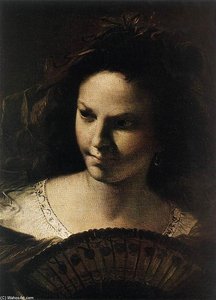
Oil On CanvasWallArtBaroque
 1653
1653 202.0 x 297.0 cm
 Museo Nacional de Capodimonte
Adquira uma imagem digital de alta resolução e aprimorada, muito superior à prévia online.
Cada arquivo é meticulosamente preparado por nossos especialistas internos, utilizando ferramentas avançadas e retoques manuais de alta precisão. Garantimos que cada imagem apresente clareza excepcional, fidelidade de cores e detalhes minuciosos.
O arquivo final é entregue por e-mail em até 72 horas, otimizado para uso imediato em ambientes profissionais, editoriais e de impressão. Esta é a mesma qualidade utilizada por estúdios de design de alto nível, editoras e galerias.
Baixe um arquivo de alta resolução para exibição pessoal, impressão e projetos criativos. ( Comprar impressão Comprar pintura feita à mão)
Ao escolher o WahooArt.com, você não está apenas adquirindo uma imagem — você está recebendo uma obra de arte digital profissionalmente aprimorada, elaborada com precisão e com garantia de satisfação. Aqui está tudo o que acompanha seu pedido, automaticamente:

O seu arquivo de imagem digital em alta resolução será enviado por e-mail em até 72 horas após o pedido — pronto para uso imediato.

Sua obra de arte é otimizada profissionalmente por meio de ferramentas avançadas de IA e edição manual, garantindo o máximo de detalhes, clareza e precisão de cores.

Apagou ou perdeu o seu ficheiro acidentalmente? Não se preocupe – nós reenviamos para si a qualquer momento, gratuitamente.

Desfrute da sua obra de arte instantaneamente, sem taxas alfandegárias, impostos ou custos de entrega — downloads digitais são sempre isentos de taxas.

Garantimos que sua imagem digital reflita as cores originais com a maior fidelidade possível, utilizando ferramentas profissionais e gerenciamento de cores.

Se você não estiver satisfeito com sua imagem digital, nós a revisaremos ou reembolsaremos 100% dentro de 100 dias — sem perguntas.

Não está satisfeito? Receba o reembolso total em até 100 dias após o recebimento do seu arquivo digital — sem perguntas.

Compre 3 imagens, economize 10% - Compre 5, economize 15% - Compre 10+, economize 20%. Ideal para projetos criativos, galerias e agências.
Mattia Preti's "Absalom’s Feast," completed in 1653, isn’t merely a painting; it’s a meticulously constructed tableau of betrayal and despair, born from the heart of the Italian Baroque. This monumental oil on canvas, measuring an impressive 202 x 297 cm and currently residing within the Museo Nazionale di Capodimonte in Naples, immediately commands attention with its dramatic composition and intensely emotive palette. Preti, a Calabrian Knight known as “Il Cavalier Calabrese,” masterfully synthesizes influences from Caravaggio’s stark realism, the vibrant colorism of Venetian masters like Titian and Veronese, and the dynamic energy of Emilian artists like Guercino and Lanfranco – creating a uniquely powerful visual narrative. The painting's origins lie in a commission for the Palazzo Doria-Pamphili in Rome, reflecting the prevailing trends of neo-Venetianism that were shaping artistic sensibilities at the time.
The scene unfolds within a lavishly rendered architectural setting – a grand hall overflowing with opulent details, hinting at the extravagance of King Baldassarre’s ill-fated banquet. Preti employs his signature technique of dramatic chiaroscuro, utilizing pools of deep shadow to heighten the sense of tension and mystery, while strategically placed splashes of red draw the eye to key elements: the fallen head of Absalom resting on a table, a sword held aloft by a figure caught in the act of betrayal, and the ominous inscription scrawled across the wall. This masterful manipulation of light isn’t simply decorative; it serves to amplify the emotional weight of the scene, conveying a sense of impending doom and irreversible tragedy. The brushwork itself is remarkably energetic, reflecting Preti's commitment to capturing movement and dynamism – a hallmark of Baroque art.
Beyond its immediate visual impact, "Absalom’s Feast" is rich in symbolic meaning. The story depicted—the downfall of King Baldassarre due to his own hubris and the judgment of God—resonates with themes of power, corruption, and divine retribution. Absalom's posture – head resting on a table, suggesting defeat and vulnerability – speaks volumes about the consequences of transgression. The figures surrounding him are not merely observers; they represent the various facets of betrayal: shock, anger, complicity, and despair. Even the architectural details—the grand hall, the overflowing tables—contribute to the overall sense of excess and impending collapse. Preti’s ability to imbue a historical narrative with such potent symbolism elevates the painting beyond a simple depiction of an event; it becomes a meditation on human nature and the inescapable consequences of our actions.
Mattia Preti's "Absalom’s Feast" stands as a testament to his artistic genius and a prime example of the dramatic intensity that characterized the Italian Baroque. His work, particularly during his time in Malta, significantly influenced subsequent generations of artists. The painting’s enduring appeal lies not only in its technical brilliance but also in its ability to evoke a profound emotional response from viewers. Reproductions of this powerful masterpiece offer a captivating glimpse into a pivotal moment in art history—a scene brimming with intrigue, betrayal, and the inescapable weight of fate. Further research can be found at https://WahooArt.com and https://WahooArt.com, as well as on Wikipedia.


1613 - 1699 , Itália

 Visualizar na parede
 Compartilhar
 Compartilhar
 Detalhes

 Baixar imagem
 Semelhantes
 Raio X
 Slideshow
 Ler mais