x
Visualizar na paredeVisualizar na parede Ver em RAVer em RA Comprar pintura feita à mão Comprar pintura feita à mãoComprar imagem Comprar imagem CompartilharCompartilhar
DetalhesDetalhes Adicionar aos favoritos Adicionar aos favoritos Baixar imagemBaixar imagem SemelhantesSemelhantes Raio XRaio X SlideshowSlideshow

The Resurrection

Discover "The Resurrection" by Matthias Grünewald! This powerful 1515 oil painting showcases dramatic chiaroscuro & symbolic figures. Explore late Gothic/Renaissance style & a captivating masterpiece.

Matthias Grünewald: um mestre da arte renascentista alemã! Conhecido pelo dramático Isenheim Altarpiece e pinturas com intensa expressividade religiosa. Explore seu estilo único em WahooArt.

Giclée / Impressão de Arte

Impressão giclée ou em tela de qualidade de museu, com produção rápida e opções flexíveis de acabamento. (Comprar pintura feita à mão Comprar pintura feita à mãoComprar imagem Comprar imagem)

P118B $10
P118H $10
P118W $10
P438Z $10
P508JH $12
P508YH $12
P805H $10
P805Z $10
P919BZ $10
P919G $10
P919XJ $10
P959ZH $10
P968JZ $12
W106C $8
W218G $10
W218JH $8
W218Y $10
W307PJ $10
W316G $10
W316PJ $8
W316Y $10
W398PJ $8
W4111J $10
W500HY $15
W500JH $15
W692G $12
W849H $8
W940BG $15
W953PJ $8

Tamanho padrão
personalizado
CM
INCH

Escolha entre os nossos tamanhos pré-definidos que respeitam as proporções originais da obra de arte.

largura
altura

Você pode inserir suas próprias dimensões para se ajustar a uma moldura ou espaço específico. Se o tamanho selecionado não corresponder às proporções da imagem original, iremos recortar a obra de arte ou estender a imagem com uma borda espelhada ou preenchimento sólido. Um mockup digital será enviado para sua aprovação antes do início da produção.
Por favor, observe que a visualização na tela não reflete o recorte ou a extensão real. Apenas o mockup mostrará com precisão a composição final.
Embora tamanhos personalizados estejam disponíveis, recomendamos selecionar uma dimensão da lista predefinida para preservar as proporções originais.

Entrega mundial () em 2 semanas, em vez das 4/5 semanas padrão. (1 Setembro)

why_choose_icon
Envio expresso gratuito para todo o mundo
why_choose_icon
Tela de Linho de Alta Qualidade
why_choose_icon
Seguro de transporte completo
why_choose_icon
Garantia de Reembolso de Impostos Alfandegários
why_choose_icon
Garantia de Fidelidade Cromática
why_choose_icon
Política de Devolução em 60 Dias (Apenas para Defeitos)
why_choose_icon
Garantia de reembolso de 100%
why_choose_icon
Oferta de desconto por quantidade

Preço Total

$ 68

reproduction

The Resurrection

Giclée / Impressão de Arte

Tamanho da Reprodução

-

Preço Total

$ 68

Informações Rápidas

  • Medium: Oil on panel
  • Artistic style: Expressionism
  • Artist: Matthias Grünewald
  • Year: 1515
  • Location: Unterlinden Museum, Colmar
  • Movement: Late Gothic
  • Notable elements: Dramatic figures

Quiz de Arte

Cada pergunta possui apenas uma resposta correta.

Pergunta 1:
What is the primary subject depicted in Matthias Grünewald’s ‘The Resurrection’?
Pergunta 2:
Which artistic technique is most prominently featured in ‘The Resurrection’ to create a dramatic effect?
Pergunta 3:
The painting ‘The Resurrection’ is believed to have been created during which historical period?
Pergunta 4:
What does the radiant halo surrounding Christ’s head in ‘The Resurrection’ symbolize?
Pergunta 5:
Based on the image description, what is a key characteristic of the fallen soldiers depicted in ‘The Resurrection’?

A Vision of Ascent: Matthias Grünewald’s “The Resurrection”

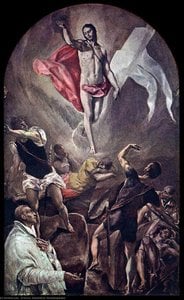
Matthias Grünewald's "The Resurrection," painted around 1515, isn’t merely a depiction of a biblical event; it’s a visceral experience. This monumental panel, now housed in the Unterlinden Museum in Colmar, France, transcends simple narrative to become a profound meditation on faith, sacrifice, and the triumph over darkness. It's a work that immediately commands attention, not through polished realism, but through an intensely emotional and dramatically charged atmosphere – a hallmark of Grünewald’s unique Northern Renaissance style.

The painting unfolds as a carefully orchestrated drama. At its heart stands Christ, not in serene repose, but powerfully ascending into the heavens. His body, ravaged by the wounds of the crucifixion, is rendered with an almost agonizing detail – the flayed skin, the exposed nails, the blue-tinged lips conveying both suffering and divine presence. This isn’t idealized beauty; it's a raw, unflinching portrayal of human agony transformed into spiritual victory. Below him lies a chaotic tableau of fallen Roman soldiers, their armor scattered, weapons abandoned, symbolizing the defeat of earthly power by the resurrected Christ.

The Language of Light and Shadow: Technique and Style

Grünewald’s mastery lies in his manipulation of light and shadow – a technique known as *chiaroscuro*. The scene is dominated by deep, almost impenetrable blacks that contrast sharply with the radiant glow emanating from Christ himself. This dramatic lighting isn't just aesthetic; it serves to elevate Christ to a divine level, casting him as the source of all illumination and hope. The artist employs impasto – thick layers of paint applied directly to the panel – creating a tactile surface that adds depth and physicality to the figures and architectural elements. The brushstrokes are visible, lending a sense of immediacy and energy to the composition.

Notice also the deliberate flattening of perspective. Grünewald prioritizes emotional impact over strict realism, drawing the viewer’s eye upwards towards Christ's ascent through strong diagonals and a tightly structured composition. This compositional choice reinforces the painting’s central theme: the movement from earthly suffering to heavenly glory.

Symbolism and Context: A Hospital Altarpiece

“The Resurrection” wasn’t created for a grand cathedral, but for the hospital of St. Anthony in Issenheim, a monastery dedicated to caring for plague victims. The monks there were particularly skilled at treating ergotism, a debilitating disease characterized by gangrene and convulsions. The imagery within the painting – Christ's wounds mirroring the symptoms of the afflicted – was intended to offer comfort and reassurance to those suffering from this horrific illness. It’s a poignant example of art serving as a source of spiritual healing.

Furthermore, the inclusion of figures like Saint Sebastian (pierced by arrows) and John the Baptist (pointing towards Christ) adds layers of symbolic meaning. Sebastian represents martyrdom and sacrifice, while John foreshadows the coming of the Messiah. The lamb, held by John, is a potent symbol of Christ as the sacrificial Lamb of God.

A Legacy of Dramatic Intensity

“The Resurrection” remains one of Grünewald’s most powerful and enduring works. Its raw emotion, dramatic composition, and profound symbolism continue to resonate with viewers centuries later. It's a testament to the artist’s ability to capture not just the events of the biblical narrative, but also the complex emotions associated with faith, suffering, and redemption. Reproductions of this masterpiece offer a remarkable opportunity to experience Grünewald’s visionary style in your own space – a window into a world of intense spirituality and artistic brilliance.


Biografia do Artista

Matthias Grünewald: Vida e Legado

Primeiros Anos e Inícios Artísticos

Matthias Grünewald, nascido como Mathis Gothart Neithardt por volta de 1470-1475 em Würzburg, Alemanha, foi uma figura fundamental do Renascimento Alemão. Apesar de viver em um período cada vez mais influenciado pelos ideais do Renascimento Italiano, Grünewanc permaneceu profundamente enraizado nas tradições artísticas da Europa Central do final da Idade Média. Embora os detalhes sobre sua juventude sejam escassos, sabe-se que ele recebeu treinamento artístico, provavelmente dentro de oficinas locais, onde moldou sua base técnica.

Desenvolvimento Artístico e Influências

O desenvolvimento artístico de Grünewald foi esculpido pelas tradições predominantes do norte da Europa, marcadas pelo realismo, pela intensidade emocional e por uma observação minuciosa dos detalhes. Sua obra revela influências de mestres como Albrecht Dürer e Martin Schongauer, mas ele trilhou um caminho único, caracterizado por uma expressão dramática e cores vibrantes. Diferente de outros contemporâneos, ele não esteve diretamente envolvido com os círculos humanistas que prevaleciam na Itália; em vez disso, sua arte serviu primordialmente a propósitos religiosos, refletindo as ansiedades espirituais de sua época.

Obras Primordiais e Estilo Artístico

A maestria de Grünewald atinge seu ápice em obras que transcendem o tempo. Entre seus maiores feitos, destaca-se:

  • O Retábulo de Isenheim (1512-1516): Esta obra-prima, abrigada no Musée d'Unterlinden, em Colmar, é considerada a magna opus de Grünewald. Ela retrata cenas da vida de Cristo com um realismo lancinante, focando intensamente no sofrimento e na redenção.
  • A Crucifixão (c. 1502-1503): Um trabalho de sua fase inicial que demonstra o desenvolvimento de seu estilo, exibindo uma emoção intensa e um detalhamento anatômico impressionante.
  • Virgem da Anunciação (1512-14): Um estudo preparatório para o Retábulo de Isenheim, que revela seu processo meticuloso de planejamento.
  • Moisés (1511): Um desenho que ressalta a habilidade do artista em capturar figuras expressivas e poses dramáticas.

O estilo de Grünewald é singularmente distinguível por sua composição dramática, utilizando arranjos dinâmicos para intensificar o impacto emocional no espectador. Sua paleta de cores vívidas, composta por tons intensos e frequentemente contrastantes, cria uma experiência visual poderosa. Além disso, ele não recuou diante da representação realista do sofrimento, retratando com crueza a dor física e emocional inerente às narrativas religiosas, conferindo às suas figuras uma profundidade psicológica e uma carga emocional inigualáveis.

Significância Histórica e Legado

A obra de Grünewald permanece como um testemunho do poder duradouro das tradições artísticas medievais na Alemanha durante o Renascimento. Ele serviu como uma ponte entre o estilo gótico tardio e o emergente Renascimento, criando uma linguagem visual única que ressoou profundamente com seus contemporâneos. Sua influência pode ser observada em artistas alemães posteriores, que continuaram a explorar temas de fervor religioso e intensidade emocional. Embora tenha permanecido amplamente esquecido por séculos após sua morte em 1528, Grünewald experimentou um renascimento no século XIX. Hoje, ele é reconhecido como um dos pintores mais importantes do Renascimento Alemão, e sua arte continua a cativar o público com sua emoção bruta, brilhantismo técnico e profunda profundidade espiritual.

Exploração Adicional

Descubra mais sobre a vida e as obras de Matthias Grünewald em: WahooArt

Matthias Grünewald

Matthias Grünewald

1480 - 1528 , Alemanha

Dados Rápidos

  • Artistic Movement Or Style: Gótico tardio
  • Artists Or Movements Influenced By This Artist: ['Expressionismo']
  • Artists Who Influenced This Artist:
    • Albrecht Dürer
    • Martin Schongauer
  • Date Of Birth: c. 1470-1475
  • Date Of Death: 31 agosto de 1528
  • Full Name: Mathis Gothart Neithardt
  • Nationality: Germânico
  • Notable Artworks:
    • O Escárnio de Cristo
    • Retábulo da Igreja dos Antoninos
  • Place Of Birth: Würzburg, Alemanha
Explore obras de arte organizadas por temas, estilos e características.