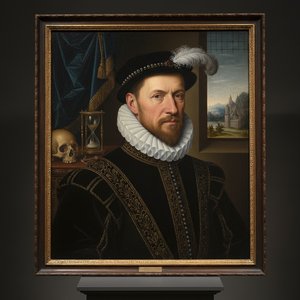
Matthias Grünewald: Vida e Legado
Primeiros Anos e Inícios Artísticos
Matthias Grünewald, nascido como Mathis Gothart Neithardt por volta de 1470-1475 em Würzburg, Alemanha, foi uma figura fundamental do Renascimento Alemão. Apesar de viver em um período cada vez mais influenciado pelos ideais do Renascimento Italiano, Grünewanc permaneceu profundamente enraizado nas tradições artísticas da Europa Central do final da Idade Média. Embora os detalhes sobre sua juventude sejam escassos, sabe-se que ele recebeu treinamento artístico, provavelmente dentro de oficinas locais, onde moldou sua base técnica.
Desenvolvimento Artístico e Influências
O desenvolvimento artístico de Grünewald foi esculpido pelas tradições predominantes do norte da Europa, marcadas pelo realismo, pela intensidade emocional e por uma observação minuciosa dos detalhes. Sua obra revela influências de mestres como Albrecht Dürer e Martin Schongauer, mas ele trilhou um caminho único, caracterizado por uma expressão dramática e cores vibrantes. Diferente de outros contemporâneos, ele não esteve diretamente envolvido com os círculos humanistas que prevaleciam na Itália; em vez disso, sua arte serviu primordialmente a propósitos religiosos, refletindo as ansiedades espirituais de sua época.
Obras Primordiais e Estilo Artístico
A maestria de Grünewald atinge seu ápice em obras que transcendem o tempo. Entre seus maiores feitos, destaca-se:
- O Retábulo de Isenheim (1512-1516): Esta obra-prima, abrigada no Musée d'Unterlinden, em Colmar, é considerada a magna opus de Grünewald. Ela retrata cenas da vida de Cristo com um realismo lancinante, focando intensamente no sofrimento e na redenção.
- A Crucifixão (c. 1502-1503): Um trabalho de sua fase inicial que demonstra o desenvolvimento de seu estilo, exibindo uma emoção intensa e um detalhamento anatômico impressionante.
- Virgem da Anunciação (1512-14): Um estudo preparatório para o Retábulo de Isenheim, que revela seu processo meticuloso de planejamento.
- Moisés (1511): Um desenho que ressalta a habilidade do artista em capturar figuras expressivas e poses dramáticas.
O estilo de Grünewald é singularmente distinguível por sua composição dramática, utilizando arranjos dinâmicos para intensificar o impacto emocional no espectador. Sua paleta de cores vívidas, composta por tons intensos e frequentemente contrastantes, cria uma experiência visual poderosa. Além disso, ele não recuou diante da representação realista do sofrimento, retratando com crueza a dor física e emocional inerente às narrativas religiosas, conferindo às suas figuras uma profundidade psicológica e uma carga emocional inigualáveis.
Significância Histórica e Legado
A obra de Grünewald permanece como um testemunho do poder duradouro das tradições artísticas medievais na Alemanha durante o Renascimento. Ele serviu como uma ponte entre o estilo gótico tardio e o emergente Renascimento, criando uma linguagem visual única que ressoou profundamente com seus contemporâneos. Sua influência pode ser observada em artistas alemães posteriores, que continuaram a explorar temas de fervor religioso e intensidade emocional. Embora tenha permanecido amplamente esquecido por séculos após sua morte em 1528, Grünewald experimentou um renascimento no século XIX. Hoje, ele é reconhecido como um dos pintores mais importantes do Renascimento Alemão, e sua arte continua a cativar o público com sua emoção bruta, brilhantismo técnico e profunda profundidade espiritual.
Exploração Adicional
Descubra mais sobre a vida e as obras de Matthias Grünewald em: WahooArt



 Visualizar em escala
 Alternar para Impressão
 Enviar
 Compartilhar
 Ver detalhes

 Baixar imagem
 Semelhantes
 Raio X
 Apresentação de slides
 Estatísticas


 Ver mais






































 A opção de vidro está disponível apenas para tamanhos inferiores a 110 cm