Visualizar na parede Visualizar em RA Comprar pintura feita à mão Alternar para Imagem Digital Compartilhar
Detalhes Guia Adicionar aos favoritos Baixar imagem Semelhantes Raio X Ver diaporama Q&A Estatísticas

Nativity

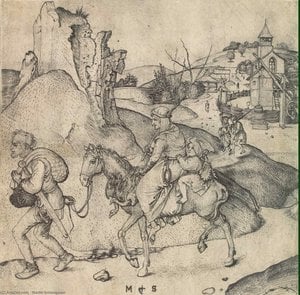
Discover Martin Schongauer's 'Nativity,' a stunning 1480 engraving depicting the biblical scene with remarkable detail and Northern Renaissance artistry. A masterpiece of printmaking, showcasing animals & figures in a vibrant portrayal.

Martin Schongauer foi um gravador e pintor alemão, mestre da gravura antes de Dürer, conhecido por suas obras góticas e renascentistas, com destaque para a "Madonna do Rosário" e sua influência na arte europeia.

Giclée / Impressão de Arte

Impressão giclée ou em tela de qualidade de museu, com produção rápida e opções flexíveis de acabamento. ( Comprar pintura feita à mão Alternar para Imagem Digital)

Corner sample of the P118B picture frame: poliestireno moldado, 5 cm wide and 3 cm thick
P118B €10
Corner sample of the P118H picture frame: poliestireno moldado, 5 cm wide and 3 cm thick
P118H €10
Corner sample of the P118W picture frame: poliestireno moldado, 5 cm wide and 3 cm thick
P118W €10
Corner sample of the P438Z picture frame: poliestireno moldado, 5.5 cm wide and 3.5 cm thick
P438Z €10
Corner sample of the P508JH picture frame: poliestireno moldado, 7 cm wide and 3.5 cm thick
P508JH €12
Corner sample of the P508YH picture frame: poliestireno moldado, 7 cm wide and 3.5 cm thick
P508YH €12
Corner sample of the P805H picture frame: poliestireno moldado, 5 cm wide and 3.5 cm thick
P805H €10
Corner sample of the P805Z picture frame: poliestireno moldado, 5 cm wide and 3.5 cm thick
P805Z €10
Corner sample of the P919BZ picture frame: poliestireno moldado, 7 cm wide and 3.5 cm thick
P919BZ €10
Corner sample of the P919G picture frame: poliestireno moldado, 7 cm wide and 3.5 cm thick
P919G €10
Corner sample of the P919XJ picture frame: poliestireno moldado, 7 cm wide and 3.5 cm thick
P919XJ €10
Corner sample of the P959ZH picture frame: poliestireno moldado, 5 cm wide and 3 cm thick
P959ZH €10
Corner sample of the P968JZ picture frame: poliestireno moldado, 6 cm wide and 4 cm thick
P968JZ €12
Corner sample of the W106C picture frame: madeira maciça, 5 cm wide and 3 cm thick
W106C €8
Corner sample of the W218G picture frame: madeira maciça, 5 cm wide and 3 cm thick
W218G €10
Corner sample of the W218JH picture frame: madeira maciça, 5 cm wide and 3 cm thick
W218JH €8
Corner sample of the W218Y picture frame: madeira maciça, 5 cm wide and 3 cm thick
W218Y €10
Corner sample of the W307PJ picture frame: madeira maciça, 6 cm wide and 3 cm thick
W307PJ €10
Corner sample of the W316G picture frame: madeira maciça, 6 cm wide and 3 cm thick
W316G €10
Corner sample of the W316PJ picture frame: madeira maciça, 6 cm wide and 3 cm thick
W316PJ €8
Corner sample of the W316Y picture frame: madeira maciça, 6 cm wide and 3 cm thick
W316Y €10
Corner sample of the W398PJ picture frame: madeira maciça, 5 cm wide and 3 cm thick
W398PJ €8
Corner sample of the W4111J picture frame: madeira maciça, 6.5 cm wide and 3.5 cm thick
W4111J €10
Corner sample of the W500HY picture frame: madeira maciça, 7 cm wide and 5 cm thick
W500HY €15
Corner sample of the W500JH picture frame: madeira maciça, 7 cm wide and 5 cm thick
W500JH €15
Corner sample of the W692G picture frame: madeira maciça, 8 cm wide and 4 cm thick
W692G €12
Corner sample of the W849H picture frame: madeira maciça, 5 cm wide and 3 cm thick
W849H €8
Corner sample of the W940BG picture frame: madeira maciça, 7.5 cm wide and 4.5 cm thick
W940BG €15
Corner sample of the W953PJ picture frame: madeira maciça, 6 cm wide and 3.5 cm thick
W953PJ €8

Tamanho padrão
personalizado
CM
INCH

Escolha entre os nossos tamanhos pré-definidos que respeitam as proporções originais da obra de arte.

largura
altura

Insira a largura e a altura desejadas para se ajustarem à sua moldura ou parede. Uma impressão pode ser apenas cortada, nunca ampliada além da imagem original; portanto, um tamanho com proporções diferentes resultará na perda de parte da imagem. Enviamos uma maquete digital para sua aprovação antes de realizarmos a impressão. A imagem exibida nesta página não mostra o corte real — apenas a maquete o faz.

Entrega mundial () em 2 semanas, em vez das 4/5 semanas padrão. (29 Outubro)

Envio expresso gratuito para todo o mundo
Tela de Linho de Alta Qualidade
Seguro de transporte completo
Garantia de Reembolso de Impostos Alfandegários
Garantia de Fidelidade Cromática
Política de Devolução em 100 Dias (Apenas para Defeitos)
Garantia de reembolso de 100%
Oferta de desconto por quantidade

Preço Total

€ 60

Nativity

Giclée / Impressão de Arte

Tamanho da Reprodução

-

Preço Total

€ 60

Informações Rápidas

  • Artist: Martin Schongauer
  • Movement: Northern Renaissance
  • Artistic style: Realistic detail
  • Influences: Rogier van der Weyden
  • Notable elements: Animals, figures

A Moment of Divine Grace: Martin Schongauer's Nativity

Martin Schongauer’s “Nativity,” painted around 1480, is more than just a depiction of the biblical story; it’s a profound meditation on faith, humility, and the quiet majesty of the divine. Executed in meticulous detail with the characteristic precision of Northern Renaissance art, this work offers a deeply moving glimpse into the heart of Christian belief. Measuring 37 x 28 cm, its intimate scale invites viewers to contemplate the scene with focused attention, drawing them into the sacred narrative.

  • The Scene: The painting portrays the traditional Nativity – Mary kneeling in reverence before Joseph, who cradles the infant Jesus. The presence of animals—two cows and three horses—is not merely decorative; it’s laden with symbolic weight. Animals were often associated with Christ's humility and sacrifice, mirroring the creatures present at his crucifixion.
  • Schongauer’s Technique: Schongauer was a master printmaker, and this painting reflects his extraordinary skill in engraving. His meticulous attention to detail is evident in every brushstroke, from the delicate folds of Mary’s robes to the textured fur of the animals. The use of oil paint allowed for subtle gradations of tone and color, creating a remarkable sense of realism and depth.

A Window into the Northern Renaissance

Schongauer's work stands as a pivotal example of the artistic currents flowing through the Northern Renaissance. Influenced by Early Netherlandish masters like Rogier van der Weyden, he embraced a style characterized by its realism, emotional intensity, and meticulous observation of nature. Unlike the idealized forms often found in Italian art of the period, Schongauer’s figures possess a tangible humanity – their expressions conveying a sense of vulnerability and devotion. The painting's composition reflects the influence of panel painting traditions prevalent at the time, emphasizing narrative clarity and symbolic resonance within a carefully structured space.

  • Historical Context: Created around 1480, this “Nativity” emerged during a period of significant religious and intellectual ferment. The rise of humanism was challenging traditional dogma, while simultaneously fostering a renewed appreciation for classical learning and artistic achievement. Schongauer’s work embodies this tension – a devout expression of Christian faith rendered with the highest standards of technical skill.
  • The Artist's Background: Born in Augsburg, Germany, Martin Schongauer inherited his father’s goldsmithing skills, which profoundly shaped his artistic approach. This training instilled in him an unparalleled ability to render intricate detail and texture, a hallmark of his work. His early apprenticeship with Caspar Isenmann further honed his technical abilities and exposed him to the prevailing artistic trends of the time.

Symbolism and Emotional Resonance

Beyond its technical brilliance, “Nativity” resonates deeply through its carefully considered symbolism. The arrangement of figures—Mary’s kneeling posture, Joseph’s protective embrace of Jesus—evokes a sense of reverence and guardianship. The animals, representing innocence and humility, underscore the central themes of the Nativity: the arrival of the Messiah as a humble servant. The painting's emotional impact is palpable – it invites viewers to contemplate the miracle of birth, the promise of salvation, and the profound love at the heart of the Christian faith. It’s a scene brimming with quiet dignity and spiritual significance.

A Timeless Masterpiece

This hand-painted reproduction captures the essence of Schongauer's masterpiece, offering an exceptional opportunity to bring this iconic work of art into your home or office. Its dimensions (37 x 28 cm) make it suitable for a variety of spaces, while its enduring beauty and profound symbolism ensure that it will remain a cherished addition to any collection. A testament to Schongauer’s genius, this reproduction allows you to experience the power and grace of this timeless depiction of the Nativity.

Perguntas e Respostas

Qual artista e qual estilo estão por trás de "Nativity"?

Martin Schongauer criou "Nativity" dentro do movimento Northern Renaissance.

Como "Nativity" equilibra luz e sombra?

"Nativity" apresenta um brilho geral de deep_shadow, com uma luminância de Soft Shadow.

De onde vêm os visitantes de "Nativity", de Martin Schongauer?

Existe uma página de Estatísticas para "Nativity". Ela apresenta o gráfico de visitas mensais da obra e de outras obras do artista, com detalhamento por país e idioma.


Biografia do Artista

Martin Schongauer: Vida e Legado

Primeiros Anos e Formação

Martin Schongauer, nascido por volta de 1450 em Colmar, na Alsácia (atual França), foi uma figura fundamental no desenvolvimento da gravura durante o Renascimento Nórdico. Ele era fruto de uma linhagem de artesãos; seu pai, Caspar Schongauer, era um ourives que havia se mudado para Colmar vindo de Augsburg, na Alemanha, por volta de 1440. Essa herança familiar influenciou profundamente a formação artística inicial de Martin, uma vez que o ofício da ourivesaria proporcionou uma base sólida no domínio de detalhes precisos e técnicas de trabalho em metal – habilidades que seriam diretamente transferíveis para a arte da gravura.

Educação e Desenvolvimento Artístico

Em 1465, Schongauer frequentou brevemente a Universidade de Leipzig, mas logo abandonou os estudos acadêmicos para se dedicar inteiramente à arte. Inicialmente, treinou como pintor sob a tutela de Caspar Isenmann, um mestre local influenciado pela pintura flamenga primitiva, particularmente pelas obras de Rogier van der Weyden. Essa exposição precoce ao realismo flamengo e ao rigoroso cuidado com os detalhes tornariam-se as marcas registradas do próprio estilo de Schongauer.

Estilo Artístico e Influências

O estilo artístico de Schongauer é caracterizado por uma estética gótica clara e organizada, fundida com as influências emergentes do Renascimento Nórdico. Notavelmente, ele carecia de uma influência direta italiana, buscando inspiração, em vez disso, nas tradições germânicas e flamengas. Sua obra demonstra um detalhamento meticuloso, figuras expressivas e uma compreensão sofisticada da composição.

  • Principais Características: Gravura precisa, representações realistas, narrativas dramáticas e estrutura gótica
  • Influências: Rogier van der Weyden, Caspar Isenmann e as tradições góticas alemãs

Grandes Conquistas e Obras

Schongauer é mais conhecido por suas 116 gravuras, cada uma identificada por seu monograma. Essas estampas foram amplamente disseminadas por toda a Europa, impactando significativamente o desenvolvimento das técnicas de gravura e dos estilos artísticos. Suas gravuras frequentemente retratavam cenas religiosas, retratos e temas alegóricos.

  • Madonna do Jardim de Rosas (1473): Uma pintura significativa que exibe sua habilidade em retratar detalhes delicados e profundidade emocional.
  • Gravuras: Incluindo A Tentação de Santo Antão, A Adoração dos Pastores, entre tantas outras, demonstrando seu domínio magistral da técnica de gravura.

Significância Histórica e Legado

O impacto de Martin Schongauer no mundo da arte foi substancial. Ele foi um dos primeiros artistas alemães a alcançar reconhecimento internacional como gravador. Suas estampas eram altamente cobiçadas e amplamente copiadas, espalhando seu estilo artístico por toda a Europa. Está documentado que o próprio Michelangelo estudou e copiou uma das gravuras de Schongauer – O Julgamento de Santo Antão – demonstrando a alta estima com que Schongauer era visto pelos mestres posteriores.

A obra de Schongauer serviu como ponte entre a arte gótica e o Renascimento, pavimentando o caminho para artistas como Albrecht Dürer. Seu uso inovador das técnicas de gravura e seu compromisso com o detalhe artístico deixaram um legado duradouro na história da gravura e da arte do Norte da Europa.

Morte

Martin Schongauer faleceu em Breisach, no dia 2 de fevereiro de 1491, deixando para trás um corpo de trabalho extraordinário que continua a ser celebrado por seu mérito artístico e importância histórica.

Martin Schongauer

Martin Schongauer

1450 - 1491 , França

Dados Rápidos

  • Artistic Movement Or Style: Gótico tardio / Renascimento
  • Artists Or Movements Influenced By This Artist: ['Albrecht Dürer']
  • Artists Who Influenced This Artist:
    • Rogier van der Weyden
    • Caspar Isenmann
  • Date Of Birth: c. 1450–53
  • Date Of Death: 2 February 1491
  • Full Name: Martin Schongauer
  • Nationality: Alemão
  • Notable Artworks:
    • Virgem do Rosal
    • Madonna da Rosa Bela
    • Tentação de São António
  • Place Of Birth: Colmar, França
Explore obras de arte organizadas por temas, estilos e características.