Os Primeiros Anos e as Sementes da Visão Artística
Mark Rothko, nascido Markus Yakovlevich Rothkowitz em Dvinsk, na atual Letônia, em 1903, carregava desde o início um senso de deslocamento que moldaria profundamente sua jornada artística. Sua juventude foi marcada pelas ansiedades de uma família judia vivendo no Pale of Settlement, sob a sombra de pogroms e agitação política. Essa atmosfera instilou nele uma profunda sensibilidade ao sofrimento humano, tema que ressoaria em toda a sua obra. A imigração para Portland, Oregon, em 1913 representou não apenas uma mudança geográfica, mas um choque cultural para o jovem Rothko. Embora seu pai, farmacêutico e intelectual com inclinações socialistas, tenha promovido um lar repleto de debates e aprendizado, a perda de Jacob Rothkowitz logo após a chegada lançou uma longa sombra. Essa experiência inicial de perda, combinada com os desafios da assimilação, alimentou ao longo da vida uma exploração dos temas existenciais – mortalidade, trauma e a busca por significado em um mundo caótico. Apesar de se destacar academicamente na Universidade Yale, Rothko sentiu-se atraído pela energia vibrante da cidade de Nova York, abandonando os estudos formais para perseguir sua paixão pela arte na Art Students League. Esses anos formativos lançaram as bases para uma visão artística que acabaria desafiando noções convencionais de pintura e redefinindo o poder emocional da cor.
Das Origens Figurativas ao Expressionismo Abstrato
As primeiras explorações artísticas de Rothko estavam firmemente enraizadas no realismo, retratando cenas urbanas e retratos com um olhar atento aos detalhes. No entanto, essas obras iniciais já prenunciavam a profundidade psicológica que se tornaria sua marca registrada. À medida que os anos 40 avançavam, e o mundo lidava com os horrores da Segunda Guerra Mundial, a arte de Rothko passou por uma transformação dramática. Influenciado pelo Surrealismo e pela mitologia, ele começou a se afastar da imagem representacional, buscando expressar emoções humanas universais através de formas simbólicas. Este período viu o surgimento de pinturas multifórmicas – telas povoadas por formas ambíguas e biomórficas que pareciam pairar entre a figuração e a abstração. Essas obras não eram meros experimentos formais; eram respostas profundas às ansiedades e incertezas de um mundo em guerra. No final dos anos 40, Rothko havia chegado ao seu estilo característico: telas de grande escala com blocos retangulares de cor que pareciam flutuar e ressoar uns com os outros. Ele removeu todos os vestígios de imagens reconhecíveis, concentrando-se no impacto emocional puro da cor e da forma. Isso marcou um momento crucial no desenvolvimento do Expressionismo Abstrato, estabelecendo Rothko como uma figura líder neste movimento inovador.
O Campo de Cor e a Busca pela Transcendência
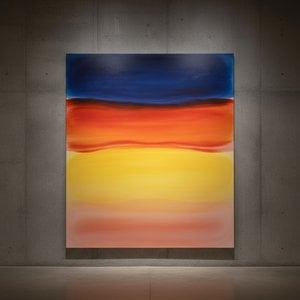
A obra madura de Rothko é definida pelo que ficou conhecido como pintura “Campo de Cor” – vastas extensões de cor luminosa que envolvem o espectador em uma experiência imersiva. Essas pinturas não se tratam do *que* elas retratam, mas sim de *como* fazem você sentir. Rothko acreditava que a arte deveria envolver o espectador visceralmente, contornando a análise intelectual e falando diretamente às emoções. Ele aplicava meticulosamente finas camadas de tinta, criando sutis variações de tom e textura que pareciam emanar do interior da tela. As bordas de suas formas retangulares são frequentemente borradas, permitindo que se misturem e interajam umas com as outras, criando uma sensação de profundidade e movimento. Rothko evitava deliberadamente títulos além de números – “Nº 1”, “Nº 6” – incentivando os espectadores a confrontar as pinturas sem preconceitos e permitir que suas próprias respostas emocionais guiassem sua experiência. Ele buscou criar um espaço para a contemplação, um santuário onde os espectadores pudessem se conectar com algo maior do que eles mesmos. Sua ambição era nada menos do que evocar experiências espirituais profundas através da linguagem da cor.
Principais Conquistas e Legado Duradouro
Entre as maiores conquistas de Rothko estão “Nº 10 (1950)”, uma obra fundamental que exemplifica seu estilo em evolução, e os Murais Seagram (1958). Encomendados para o restaurante Four Seasons na cidade de Nova York, esses murais foram finalmente rejeitados por Rothko, que sentiu que seriam comprometidos pelo ambiente pretendido. Em vez disso, ele os doou à Tate Gallery em Londres, onde continuam a inspirar admiração e contemplação. Talvez seu projeto mais ambicioso tenha sido a Capela Rothko (1971) em Houston, Texas – um santuário não denominacional que abriga quatorze de suas pinturas. Projetada como um espaço para reflexão silenciosa, a capela é considerada um lugar sagrado por muitos, incorporando a crença de Rothko no poder espiritual da arte.
A influência de Rothko nas gerações subsequentes de artistas tem sido imensa. Ele abriu caminho para a arte minimalista e continua a inspirar pintores contemporâneos que exploram as possibilidades emocionais da abstração. Apesar de lutar contra a depressão ao longo da vida, culminando em seu trágico suicídio em 1970, Mark Rothko permanece um dos artistas mais importantes e influentes do século XX – um mestre da cor cuja obra continua a ressoar com o público em todo o mundo.
O Poder Duradouro da Ressonância Emocional
- As pinturas de Rothko são celebradas por sua capacidade de transmitir emoções humanas universais – tragédia, êxtase, desespero e esperança.
- Sua exploração da cor como um veículo para a expressão emocional revolucionou a pintura abstrata.
- A Capela Rothko é um testemunho de sua crença no poder espiritual da arte.
- Ele continua sendo uma figura fundamental do Expressionismo Abstrato e uma grande influência sobre artistas contemporâneos.
O legado de Rothko se estende além do reino da história da arte. Sua obra nos convida a confrontar nossa própria mortalidade, a lidar com as complexidades da existência humana e a buscar significado em um mundo muitas vezes desprovido dele. Ele nos lembra que a arte não é apenas sobre estética; trata-se de conexão – conexão conosco mesmos, com os outros e com algo maior do que nós mesmos. O poder duradouro de suas pinturas reside em sua capacidade de evocar essas emoções profundas, oferecendo consolo, inspiração e um vislumbre das profundezas da alma humana.
A arte como portal para o transcendental.



 Visualizar na parede
 Comprar pintura feita à mão
 Compartilhar
 Compartilhar
 Detalhes
 Guia
Guia

 Baixar imagem
 Semelhantes
 Raio X
 Ver diaporama
 Q&A
Q&A Estatísticas
 Ler mais






































 A opção de vidro está disponível apenas para tamanhos inferiores a 110 cm