

A obra de arte exibida nesta página é protegida por leis de direitos autorais, o que significa que não podemos criar ou vender legalmente uma reprodução idêntica. Esta proteção é aplicada por meio de acordos internacionais, tais como a Convenção de Berna e pelas leis nacionais, incluindo as estabelecidas por Lei de Direitos Autorais dos EUA - Título 17.
Este método cumpre plenamente as regulamentações de direitos autorais, pois não envolve a cópia ou duplicação da obra protegida. Em vez disso, trata-se de uma reinterpretação criativa — uma nova pintura que é influenciada pela original, mas não idêntica a ela.
Impressão giclée ou em tela de qualidade de museu, com produção rápida e opções flexíveis de acabamento. ( Comprar pintura feita à mão Alternar para Imagem Digital)
Escolha entre os nossos tamanhos pré-definidos que respeitam as proporções originais da obra de arte.

Insira a largura e a altura desejadas para se ajustarem à sua moldura ou parede. Uma impressão pode ser apenas cortada, nunca ampliada além da imagem original; portanto, um tamanho com proporções diferentes resultará na perda de parte da imagem. Enviamos uma maquete digital para sua aprovação antes de realizarmos a impressão. A imagem exibida nesta página não mostra o corte real — apenas a maquete o faz.
Entrega mundial () em 2 semanas, em vez das 4/5 semanas padrão. (13 Novembro)
Cigarette
Tamanho da Reprodução
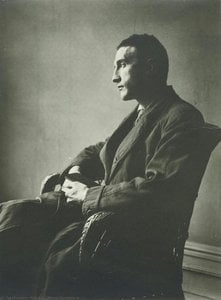
In the quiet, starkly minimalist realm of Marcel Duchamp’s Cigarette, the viewer is invited into an intimate encounter with the overlooked. This photographic study does not seek to dazzle with vibrant color or complex scenery; instead, it finds its power in a profound, almost meditative focus on a single, partially smoked object. Positioned vertically within the frame, the cigarette acts as a singular axis around which the entire composition revolves. The starkness of the presentation strips away the distractions of the outside world, forcing an intense confrontation with the textures of tobacco and paper. A soft, directional light casts a gentle shadow to the right, grounding the subject in a tangible space and providing just enough depth to transform a flat image into a sculptural presence.
The aesthetic experience of this piece is defined by its muted, monochromatic elegance. Shades of beige, grey, and earthy brown dominate the palette, reflecting the natural, organic decay of the object itself. There is a tactile richness found in the granular surface of the cigarette, where the rough, fibrous nature of the tobacco meets the smooth, worn edges of the paper. This interplay of textures—the sharp, irregular lines of the subject contrasted against the soft, diffused blur of its shadow—creates a visual rhythm that is both soothing and intellectually stimulating. For the collector or interior designer, this work offers a sophisticated neutral element that brings a sense of calm, intellectual depth, and understated luxury to any modern space.
To understand Cigarette, one must look toward the revolutionary spirit of its creator. Marcel Duchamp was a primary architect of the Dada movement, a period characterized by a radical rejection of traditional aesthetic values. Through his concept of the "readymade," Duchamp challenged the very definition of art, suggesting that an artist's most potent tool is not their brushstroke, but their choice. By isolating this everyday object and presenting it through the lens of fine art photography, he elevates a transient, disposable item to a position of permanent contemplation. The work serves as a bridge between the mundane reality of daily habit and the elevated realm of artistic significance.
Beyond its historical importance, the piece carries a heavy symbolic weight that resonates with the human condition. The partially smoked cigarette, caught in a moment of mid-consumption, evokes themes of transience, the passage of time, and the ephemeral nature of life's small pleasures. It is a quiet commentary on consumerism and the beauty found within the discarded. For those seeking to decorate a space with art that provokes thought, this reproduction offers more than mere decoration; it provides a window into the twentieth century’s most profound philosophical shifts, making it an essential acquisition for any serious enthusiast of modern art history.
Por trás de "Cigarette" estão Marcel Duchamp e o movimento Dadaism.
"Cigarette", de Marcel Duchamp é descrito como tendo um clima Minimalist. Esta classificação pode ajudar a combinar a obra com um ambiente.
A cor que mais se destaca em "Cigarette" é Putty (#dad7cc). A cor dominante é útil ao combinar uma obra de arte com um ambiente interno.

Nascido em 28 de julho de 1887, em Blainville, na Normandia, França, Marcel Duchamp entrou em um mundo onde o impulso de criar estava profundamente enraizado em seu próprio sangue. Ele era o quarto de sete filhos de Eugene e Lucie Duchamp. Aquele era um lar de criadores e pensadores; seus irmãos compartilhavam essa inquietação criativa, como seus irmãos Jacques Villon e Raymond Duchamp-Villon, além de sua irmã Suzanne Duchamp-Crotti, todos dedicados às artes. Embora tenha se tornado, eventualmente, uma figura franco-americana de imensa complexidade, suas origens permaneceram enraizadas na quietude da Normandia.
Sua vida nunca foi uma busca singular pelo pincel ou pelo cinzel. Ele era um homem de muitas máscaras e muitos interesses, movendo-se pelo mundo como artista, inventor e um dedicado enxadrista. Ele chegou a adotar um alter ego feminino, Rrose Sélavy, para complicar ainda mais as fronteiras da identidade. Esse espírito inquieto o impulsionou a transitar entre os centros culturais de Paris e Nova York, sempre buscando desmantelar as certezas de sua era. Ele não queria apenas pintar o mundo; ele desejava repensar a própria mecânica de como o percebemos.
Suas contribuições para a era moderna foram tão variadas quanto inesperadas. Ele voltou-se para a máquina e para o objeto cotidiano em busca de uma nova linguagem para o intelecto. Sua obra frequentemente manifestava-se sob estas formas:
Na quietude de Blainville-Crevon, na Normandia, França, um jovem chamado Henri-Robert-Marcel Duchamp iniciava uma vida que, eventualmente, abalaria os próprios alicerces da criatividade. Ele nasceu em uma família onde a arte era uma linguagem familiar; seus irmãos, Jacques Villon e Raymond Duchamp-Villon, encontrariam seus próprios caminhos como pintores e escultores. Essa atmosfera doméstica de expressão nutriu suas inclinações precoces, conduzindo-o ao estudo formal das artes. Ele buscou a Académie Julian em Paris, onde passou o período entre 1904 e 1905, embora seu coração muitas vezes vagasse em direção à mesa de bilhar, em vez de permanecer no estúdio. Ele também passou um ano na Ecole des Beaux Arts, um período de estudos que não resultou em um compromisso de longo prazo com a tradição acadêmica.
As cores e formas de sua juventude foram moldadas pelas marés mutáveis da época, à medida que ele se sentia atraído pelas paletas intensas do Fauvismo e pelas investigações estruturais do Pós-Impressionismo. No entanto, seu caminho não foi uma linha reta de progressão acadêmica. Em 1905, as exigências do Estado o chamaram para iniciar seu serviço militar obrigatório no 39º Regimento de Infantaria. Durante esse tempo, ele se viu em Rouen, trabalhando para um impressor. Foi ali, entre o aroma da tinta e o ritmo da prensa, que ele dominou as tecnicidades da tipografia e de vários processos de impressão. Essas habilidades práticas, aprendidas longe dos grandes salões de Paris, informariam mais tarde sua compreensão sobre como objetos e imagens são reproduzidos e percebidos.
Enquanto o jovem artista percorria as ruas de Paris, sua presença no mundo da arte começava a ganhar contornos através das grandes exposições da época. Já em 1909, ele exibia seus trabalhos no Salon des Indépendants e no Salon d’Automne, buscando seu lugar entre os criadores de sua era. Sentiu-se atraído pelas ideias de Paul Cézanne, cuja abordagem da forma e da estrutura deixou uma marca indelével em sua visão em desenvolvimento. Este período não se tratava apenas de aprender a pintar, mas de encontrar uma maneira de expressar as complexidades de um mundo em constante transformação.
O ano de 1911 trouxe uma mudança significativa quando ele se associou a um grupo cubista. Esse envolvimento com formas fragmentadas e múltiplas perspectivas o afastou da representação tradicional. Foi durante esse tempo que ele produziu Coffee Mill, uma obra que sinalizava seu crescente interesse pelo mecânico e pelo conceitual. Ele viu-se preocupado com a ideia da quarta dimensão, buscando formas de retratar o movimento e o tempo dentro dos limites estáticos de uma tela. Essa fome intelectual o impulsionou a olhar para além da superfície das coisas, questionando o quanto da arte era verdadeiramente destinada apenas ao olhar.
Ao chegar aos Estados Unidos, Marcel Duchamp encontrou-se em um cenário que estava maduro para a disrupção que ele carregava em sua mente. Ele estava no país há menos de dois anos quando realizaria seu ato de subversão mais famoso. Nos efervescentes círculos intelectuais de Nova York, foi recebido com curiosidade, encontrando um lugar entre pensadores e criadores que estavam ávidos por desafiar os limites da tradição. Para sustentar-se durante esses anos formativos, ele lecionou francês, uma necessidade prática que lhe permitiu a liberdade de perseguir seus interesses mais cerebrais.
Foi dentro deste ambiente que ele se tornou uma figura central no movimento proto-Dada de Nova York. Ele transitava pela cidade ao lado de Francis Picabia, Man Ray e Beatrice Wood, contribuindo para um espírito de rebeldia que buscava desmantelar a ordem estabelecida. Sua presença ajudou a moldar os próprios fundamentos do movimento Dada de Nova York, transformando a cidade em um laboratório de ideias que desafiavam a própria definição do que um artista poderia fazer. Ele não era apenas um participante desta agitação; ele era o catalisador dela.
Sua conexão com a paisagem americana aprofundou-se ao longo das décadas. Embora tivesse chegado como um visitante em busca de novas formas de expressar o intelecto, ele acabou tornando-se um cidadão americano naturalizado em 1955. Este período de sua vida foi definido por uma recusa em se acomodar no papel confortável de um pintor profissional, optando, em vez disso, por envolver-se com a cidade como um espaço para uma investigação conceitual profunda e, muitas vezes, inquietante.
Ele cansou-se do que chamava de "arte retiniana", aquelas obras destinadas apenas a agradar ao olhar com sua beleza superficial. Para escapar dessa armadilha, ele voltou sua mente para o conceito por trás do objeto, deslocando o foco do prazer visual para o intelecto. Essa transição o levou a criar os readymades por volta de 1914. Estes não eram escolhidos por sua beleza ou feiura, mas através de um senso de indiferença visual. Ao selecionar itens comuns, manufaturados, e apresentá-los como arte, ele despojou a necessidade do artesanato tradicional. Ele buscou contornar inteiramente a mão do artista, favorecendo o poder de uma escolha deliberada em detrimento da habilidade do pincel.
Sua prática era algo inquieto e mutável, que se recusava a se estabelecer em um único modo. Enquanto se envolvia com as perspectivas fraturadas do Cubismo, ele também transitava pelo caos do Dadaísmo e pelas profundezas cerebrais da arte Conceitual. Trabalhou com uma vasta gama de meios, desde a natureza tátil da escultura e da colagem até as qualidades fugazes de curtas-metragens e até a presença de seu próprio corpo. Frequentemente, ele brincava com os limites da identidade, utilizando um alter ego feminino conhecido como Rrose Sélavy para explorar a fluidez de gênero. Através de jogos de palavras e do elemento do acaso, ele transformou o ato da criação em um jogo de lógica e subversão.
A transição da pintura para o conceitual começou a ganhar forma através de sua fascinação pelo movimento e pela fragmentação da forma. Em 1912, ele produziu Nude Descending a Staircase, No. 2, uma obra que capturou o movimento mecanizado de uma figura através de uma série de facetas sobrepostas e sobrepostas. Essa abordagem buscava retratar o movimento em vez de uma pose estática. Por volta de 1913, seus interesses voltaram-se para a montagem de objetos encontrados, como visto em Bicycle Wheel, onde uma roda e um garfo foram montados sobre um banco de madeira. Este ato de seleção marcou um afastamento do artesanato tradicional, favorecendo a ideia em detrimento da execução manual do objeto.
Ao mergulhar na atmosfera radical de Nova York, suas provocações tornaram-se mais diretas. Ele pegou um urinol de porcelana comum, assinou-o como "R. Mutt" e o apresentou como Fountain em 1917. Esta escultura readymade desafiou a própria definição do que um artista faz, sugerindo que o ato de escolher um objeto poderia constituir arte. Ele continuou essa subversão com o Bottle Rack em 1914 e, mais tarde, em 1919, pegou um cartão-postal da Mona Lisa e a desfigurou com um bigode e uma cavanhaque, chamando a obra de L.H.O.O.Q.. Essas peças tinham o intuito de romper com as expectativas do espectador e forçar uma reconsideração do julgamento estético.
Sua construção mais complexa e enigmática, The Large Glass, ocupou seus pensamentos por muitos anos, enquanto ele trabalhava nela entre 1915 e 1923. Esta peça, também conhecida como The Bride Stripped Bare by her Bachelors, Even, utilizou folha de chumbo e arame para explorar uma imagética simbólica e intrincada. Através desses variados experimentos, ele deslocou o foco da arte do olhar para a mente.
Após seus anos inquietos na América, Marcel Duchamp retornou a Paris em 1923. Ele permaneceu na cidade até 1942, um período durante o qual se afastou, em grande medida, do mundo artístico tradicional. O rigor intelectual que outrora alimentara suas provocações radicais encontrou uma nova válvula de escape nas complexidades silenciosas e estratégicas do xadrez. Ele dedicou grande parte desse tempo ao jogo, uma busca que exigia a mesma intensidade mental que ele havia aplicado, outrora, às suas investigações conceituais.
Em 1954, ele encontrou companheirismo em Alexina Sattler, com quem se casou em uma cerimônia na cidade de Nova York. A vida que compartilharam foi de profunda dedicação, estendendo-se pelos anos enquanto ele navegava por seu lugar em um cenário cultural em constante transformação. Ele acabou tornando-se cidadão naturalizado dos Estados Unidos em 1955, embora suas raízes permanecessem profundamente ligadas ao solo francês. Marcel Duchamp faleceu em 2 de outubro de 1968, em Neuilly-sur-Seine, França.
As ondas de choque de suas provocações estenderam-se muito além dos pequenos círculos da vanguarda, acabando por remodelar os próprios alicerces de como percebemos a criatividade. Marcel Duchamp é frequentemente considerado o progenitor da arte conceitual, uma mudança que deslocou o foco do objeto físico em direção ao intelecto. Ao priorizar a ideia sobre o resultado visual, ele alterou fundamentalmente a trajetória das artes plásticas durante as primeiras décadas do século XX. Essa mudança não foi uma ruptura súbita, mas uma transformação lenta e profunda que permitiu o surgimento do Surrealismo, do Minimalismo e da Pop Art. Ele ajudou a definir uma nova era, onde a intenção do artista tornou-se o motor primordial de significado.
Sua influência foi sentida com maior intensidade na maneira como ele desmantelou a necessidade da habilidade tradicional. Ele propôs um conceito conhecido como coeficiente artístico, uma ideia que examinava a relação entre o que um artista pretende e o que é efetivamente expresso. Essa noção lançou as bases para uma geração posterior de artistas que continuariam a explorar os limites da apropriação e o papel do espectador. Ele não apenas criou objetos; ele criou novas formas de pensar sobre o próprio ato da criação. Sua presença na história da arte permanece constante, desafiando as fronteiras do que pode ser considerado uma obra de arte.
Para seguir os rastros de seu intelecto inquieto, pode-se viajar até o Philadelphia Museum of Art. Esta instituição detém a maior coleção de sua obra, preservando a amplitude de uma carreira que se recusou a permanecer estática. É aqui que o peso de sua influência se torna mais tangível, uma vez que o museu guarda um vasto conjunto de suas ideias e objetos reunidos ao longo de toda a sua vida.
Em Londres, a Tate Modern preserva o mictório de porcelana conhecido como Fountain. Este objeto, que outrora causou tanto alvoroço quando foi submetido a uma exposição, permanece como uma parte central da coleção da cidade. Enquanto isso, o Centre Pompidou, em Paris, guarda suas explorações mais experimentais e cinéticas, incluindo Rotorelief n°11 e Rotorelief n°12. Estas obras refletem sua fascinação pelo movimento e pela maneira como um objeto pode enganar o olhar.
Outras peças encontraram refúgio em instituições especializadas que refletem seus variados interesses. A Monnaie de Paris abriga Trébuchet (Trap), uma obra que fala de seu contínuo engajamento com a forma e o conceito muito após seus anos iniciais. Ver estas obras é encontrar os remanescentes físicos de um homem que buscou deslocar a arte do olho para a mente.

1887 - 1968 , França

Explore the profound artistry of black and white photography. From historical mastery to the interplay of light and shadow, discover how monochrome captures timeless emotion and form through a sophisticated lens of art history.

Explore the profound emotional depth of documentary photography art. Discover how collectors curate powerful historical narratives through museum-quality black and white prints and fine art reproductions that preserve humanity's most resilient moments.

Explore the profound history of Pictorialism, the revolutionary movement that elevated photography to a fine art. Uncover how visionaries used painterly techniques and soft focus to transcend mere documentation, imbuing the lens with the emotional depth of classical masterpieces.

Explore the profound evolution of contemporary photography through a connoisseur's lens. From monochrome mastery to digital innovation, discover how modern photographic works shape fine art collections and define our cultural legacy.

Embark on a visual journey through the evolution of fashion photography. Discover how masters like Gianfranco Ferré blended geometry, surrealism, and texture to redefine high-fashion art for collectors and connoisseurs of luxury imagery.
 Compartilhar
 Compartilhar
 Detalhes
 Guia
Guia

 Baixar imagem
 Semelhantes
 Ver diaporama
 Perguntas e Respostas
 Estatísticas

 Ler mais






































 A opção de vidro está disponível apenas para tamanhos inferiores a 110 cm




![Marcel Duchamp, Belle Haleine Eau De Voilette [belo Hálito Água De Veuzinho] — Man Ray, Surrealism](/media/artworks/images-thumb/58/ee/58ee83e825aa93dab379a6cc84f2b1c5.jpg)


