Visualizar na paredeVisualizar na parede Ver em RAVer em RA Comprar impressão Comprar impressãoComprar imagem Comprar imagem CompartilharCompartilhar
DetalhesDetalhes Adicionar aos favoritos Adicionar aos favoritos Baixar imagemBaixar imagem SemelhantesSemelhantes Raio XRaio X SlideshowSlideshow

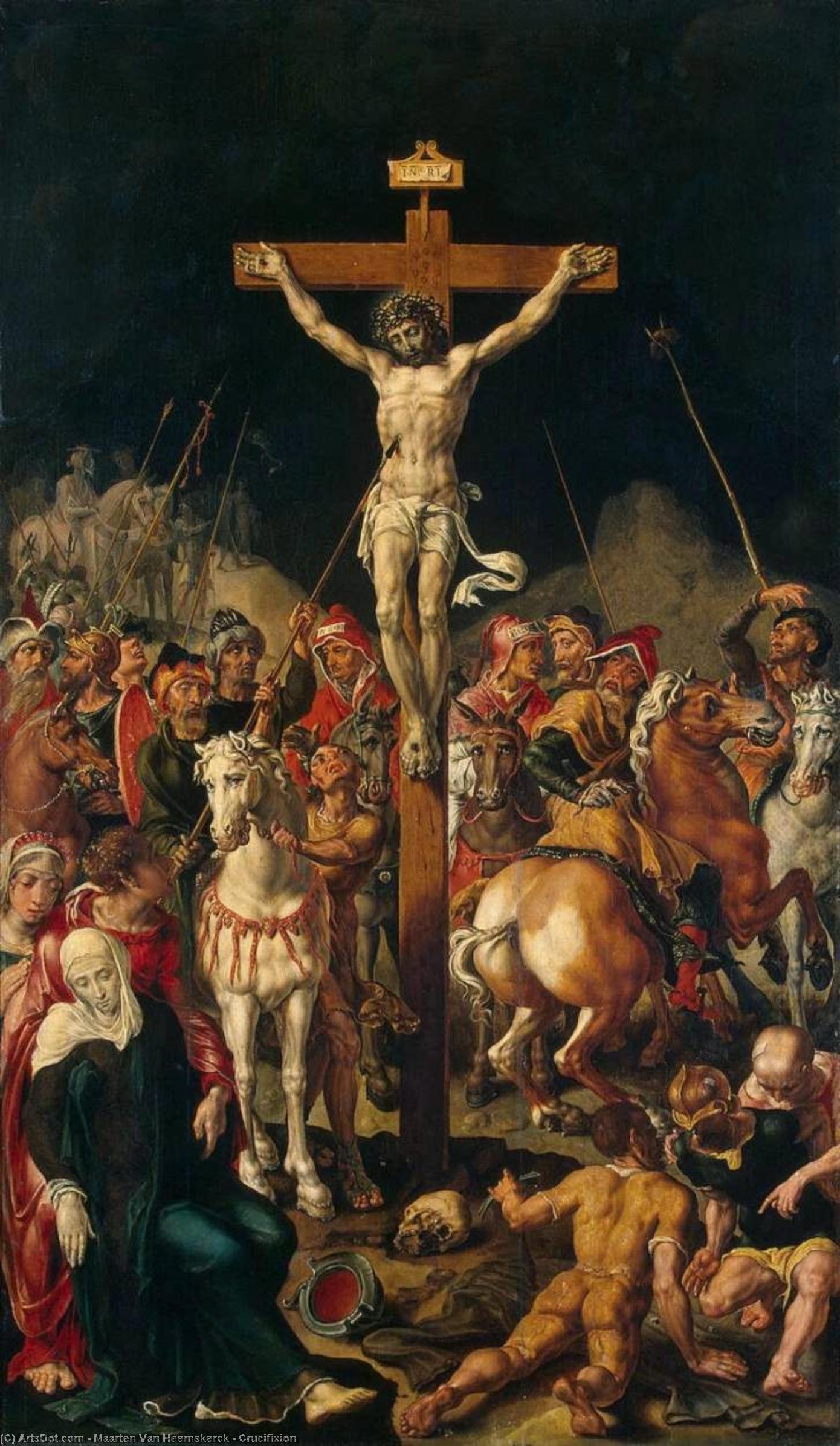
Crucifixion

Experience the dramatic realism of Van Heemskerck's 1545 Crucifixion triptych, blending Dutch detail with Italian grandeur; discover this masterpiece today.

Maerten van Heemskerck (1498-1574) foi um pintor do Renascimento holandês conhecido por retratos inovadores, cenas religiosas e influência italiana. Explore suas obras-primas e descubra seu impacto na história da arte holandesa.

Reprodução em Óleo Feita à Mão

Óleo sobre tela pintado à mão no tamanho e moldura de sua escolha, feito sob encomenda pelos nossos artistas. (Comprar impressão Comprar impressãoComprar imagem Comprar imagem)

P118B $10
P118H $10
P118W $10
P438Z $10
P508JH $12
P508YH $12
P805H $10
P805Z $10
P919BZ $10
P919G $10
P919XJ $10
P959ZH $10
P968JZ $12
W106C $8
W218G $10
W218JH $8
W218Y $10
W307PJ $10
W316G $10
W316PJ $8
W316Y $10
W398PJ $8
W4111J $10
W500HY $15
W500JH $15
W692G $12
W849H $8
W940BG $15
W953PJ $8

Tamanho padrão
personalizado
CM
INCH

Escolha entre os nossos tamanhos pré-definidos que respeitam as proporções originais da obra de arte.

largura
altura

Pode inserir as suas próprias dimensões para se adequar a uma moldura ou espaço específico. Se o tamanho selecionado não corresponder às proporções da imagem original, iremos cortar a obra de arte ou estender a pintura com elementos adicionais pintados à mão. Um esboço digital será enviado para sua aprovação antes do início da produção.
Tenha em atenção que a pré-visualização no ecrã não reflete o corte ou extensão real. Apenas o esboço mostrará com precisão a composição final.
Embora tamanhos personalizados estejam disponíveis, recomendamos selecionar uma dimensão da lista predefinida para preservar as proporções originais.

Exemplos do que pode ser personalizado: Substituir o rosto pela foto do cliente; Adicionar um animal de estimação (ex: substituir gato por cão); Incluir uma mensagem oculta no fundo; Alterar a paisagem ou elementos do fundo.
Após o pedido, a equipa WahooArt.com enviará um e-mail ao cliente para solicitar instruções e fornecer uma prévia do esboço.

Entrega mundial () em 3 a 4 semanas, em vez das 5 semanas padrão. (6 Setembro). Sem comprometer a qualidade.

why_choose_icon
Envio expresso gratuito para todo o mundo
why_choose_icon
Tela de Linho de Alta Qualidade
why_choose_icon
Seguro de transporte completo
why_choose_icon
Garantia de Reembolso de Impostos Alfandegários
why_choose_icon
Garantia de Fidelidade Cromática
why_choose_icon
Política de Devolução em 100 Dias (Apenas para Defeitos)
why_choose_icon
Garantia de reembolso de 100%
why_choose_icon
Oferta de desconto por quantidade

Preço Total

$ 272

reproduction

Crucifixion

Técnica de Reprodução

Tamanho da Reprodução

-

Preço Total

$ 272

Informações Rápidas

  • Year: 1545
  • Influences: Renaissance Art
  • Location: Private Collection
  • Title: Crucifixion
  • Artist: Maerten van Heemskerck
  • Notable elements or techniques: Innovative composition; Symbolism
  • Movement: Dutch Renaissance

Quiz de Arte

Cada pergunta possui apenas uma resposta correta.

Pergunta 1:
What is the primary subject matter depicted in Maerten van Heemskerck's artwork?
Pergunta 2:
Which artistic period is Maerten van Heemskerck's 'Crucifixion' associated with?
Pergunta 3:
What technique did Van Heemskerck masterfully use to create dramatic contrasts between light and shadow in the painting?
Pergunta 4:
The composition of the triptych is noted for employing which structural technique to convey stability?
Pergunta 5:
The historical context of the painting's creation was marked by tensions surrounding which major religious movement?

A Window Into Faith: Maerten van Heemskerck’s Crucifixion Triptych

The Crucifixion by Maerten van Heemskerck, completed in 1545, stands as a monumental achievement of the Dutch Renaissance and a testament to the enduring power of religious iconography. More than just a depiction of Christ's suffering – though undeniably poignant – this triptych transcends mere representation, immersing viewers in a meticulously crafted tableau that speaks volumes about humanist ideals and artistic innovation. Painted during a period marked by fervent piety and intellectual curiosity, it embodies the spirit of its time while simultaneously securing its place as one of the most influential artworks of the era.

Style and Technique: Bridging Italian Renaissance Grandeur with Dutch Realism

Van Heemskerck skillfully blended elements of Italian Renaissance grandeur with the burgeoning realism characteristic of Dutch art. Influenced by artists like Michelangelo and Raphael, he adopted a pyramidal composition – a technique favored in monumental religious paintings – to convey stability and solemnity. However, unlike many Italian counterparts that prioritized idealized beauty, Van Heemskerck’s approach embraced meticulous detail and naturalistic observation. The artist painstakingly rendered textures—the rough linen of Christ's robe, the weathered stone of the cross—creating a palpable sense of physicality that distinguishes it from more stylized depictions. This careful attention to realism was further enhanced by his masterful use of chiaroscuro – dramatic contrasts between light and shadow – which sculptured form and imbued the scene with emotional depth.

Historical Context: Rome Under Charles V and the Reformation’s Influence

The Crucifixion's creation coincided with a pivotal moment in European history: the reign of Charles V, Holy Roman Emperor, and the escalating tensions surrounding the Protestant Reformation. The Habsburg monarch championed Catholicism fiercely, commissioning artworks like this to reaffirm papal authority and bolster religious faith. Yet, Van Heemskerck’s work wasn’t solely driven by political considerations; it reflected a broader humanist preoccupation with human suffering and mortality – themes explored extensively in classical literature and philosophy. The triptych served as part of a larger project to decorate the Porta San Sebastiano in Rome, commemorating Charles V's victory over Protestant forces—a visual declaration of imperial piety amidst religious upheaval.

Symbolism: Layers of Meaning Beyond Visual Representation

The Crucifixion’s symbolism is rich and multifaceted. The central panel depicts Jesus Christ crucified on the cross, a universally recognized emblem of sacrifice and redemption. His outstretched arms symbolize humility and acceptance of divine judgment, while his gaze directs upward towards God—a gesture signifying hope and spiritual aspiration. Surrounding him are figures representing Mary Magdalene, Nicodemus, Joseph of Arimathea, and others who witnessed Christ’s death – each embodying compassion and devotion. The inclusion of a horse on the right panel reinforces the imagery of royalty and divine majesty, mirroring the emperor's patronage. Furthermore, the cup positioned at the bottom left corner symbolizes the Eucharist—the sacrament commemorating Jesus’s sacrifice—underscoring the theological significance of the artwork.

Emotional Impact: A Profound Reflection on Suffering and Faith

Ultimately, Maerten van Heemskerck’s Crucifixion transcends mere visual spectacle; it evokes a profound emotional response in viewers. The subdued palette – dominated by earthy tones – contributes to an atmosphere of solemn contemplation. Yet, the artist's masterful manipulation of light and shadow intensifies the drama of the scene, conveying the agony of Christ’s torment and eliciting empathy for his suffering. It compels us to confront questions about faith, mortality, and divine compassion—themes that continue to resonate across centuries. The Crucifixion remains a powerful reminder of humanity's capacity for sorrow and its unwavering belief in redemption – an enduring masterpiece that secures its place as one of the most poignant expressions of Renaissance spirituality.

Biografia do Artista

primeiros anos e formação

maerten van heemskerck, um proeminente pintor religioso e de retratos holandês, nasceu em 1º de junho de 1498, na aldeia de heemskerk, no norte de holanda. sua jornada artística teve início sob a orientação de cornelius willemsz em haarlem, seguida por uma breve passagem em delft com jan lucasz. eventualmente, ele tornou-se discípulo de jan van scorel, adotando o estilo de seu mestre, profundamente influenciado pela estética italiana.

destaques da carreira

  • a obra de maerten van heemskerck é caracterizada por sua fusão inovadora entre as influências holandesas e italianas, como se observa em seu famoso retrato de família, considerado o primeiro de seu gênero em uma longa linhagem de pinturas familiares holandesas.
  • sua colaboração com antonio da sangallo o jovem, battista franco e francesco de' rossi (il salviati) na redecoração da porta san sebastiano em roma — um arco triunfal em honra a carlos v — demonstra sua rápida execução como pintor de cenários.
  • os desenhos de heemskerck sobre escultura clássica e arquitetura, hoje preservados em dois cadernos de esboços no kupferstichkabinett berlin, demonstram sua habilidade em capturar a essência da arte italiana.

obras notáveis e legado

conclusão

maerten van heemskerck teve um impacto profundo e inegável no mundo da arte. suas obras, que agora integram diversas coleções de museus, incluindo o rijksmuseum, continuam a inspirar artistas e entusiastas da arte de igual maneira. para explorar mais de suas obras-primas, visite a página de maerten van heemskerck no WahooArt. para uma compreensão mais profunda de sua vida e obra, consulte sua biografia na wikipedia.
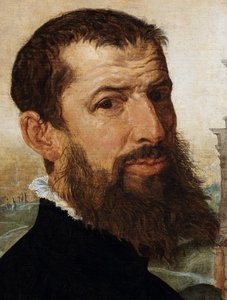
Maerten Van Heemskerck

Maerten Van Heemskerck

1498 - 1574 , Países Baixos

Dados Rápidos

  • Artistic Movement Or Style: Maneirismo
  • Artists Who Influenced This Artist:
    • Jan van Scorel
    • Antonio da Sangallo o Jovem
  • Date Of Birth: 1 de junho de 1498
  • Date Of Death: 1 de outubro de 1574
  • Full Name: Maerten Jacobsz van Heemskerck
  • Nationality: Holandês
  • Notable Artworks:
    • Lamentação sobre o Cristo Morto
    • Pieter Jan Foppeszoon e sua Família
    • Cristo como o Homem das Dores
  • Place Of Birth: Heemskerk, Países Baixos
Explore obras de arte organizadas por temas, estilos e características.