Lucian Freud: A Titan of British Figurative Art
Lucian Michael Freud (Berlim, 8 de dezembro de 1922 – Londres, 20 de julho de 2011) foi um pintor nascido na Alemanha e naturalizado britânico em 1939. Sua obra permanece uma poderosa testemunha da capacidade da arte figurativa para confrontar o espectador com a própria existência humana, desafiando convenções estéticas e explorando temas profundos sobre identidade e experiência subjetiva.
- Early Life and Family
- Surrealist Echoes and Expressionist Influences
- The Tactile Revolution: Mastering Impasto Technique
- A Legacy of Unflinching Portraiture
- Influence on Contemporary Art
Early Life and Family
Lucian Freud nasceu em Berlim (então parte da República Weimar) em 8 de dezembro de 1922, filho do arquiteto Ernst Ludwig Freud e Lucie Brasch, uma mulher judia austríaca. Sua família emigrou para Londres em 1933 para escapar das crescentes ameaças do antissemitismo nazista, uma mudança que profundamente moldou tanto sua vida quanto o estilo sombrio e inquietante de suas obras artísticas. Freud era neto de Sigmund Freud, o renomado pai fundador da psicanálise, um legado intelectual que influenciaria seu pensamento artístico ao longo de toda a vida. Sua educação foi fragmentada devido à expulsão do Bryanston School, mas uma instrução formativa na Escola Cedric Morris de Pintura e Desenho em Dedham proporcionou uma base essencial para o desenvolvimento de seu estilo único. Desde cedo, Freud demonstrou um talento excepcional para desenho e pintura, habilidades que continuariam a definir sua trajetória artística. Após a Segunda Guerra Mundial, ele se estabeleceu em Londres, onde iniciou uma relação amorosa com Lorna Garman e posteriormente se casou com Kitty Garman (filha do escultor Jacob Epstein), filha da socialite Kathleen Garman, em 1948. O casamento terminou após quatro anos devido à paixão por Lady Caroline Blackwood, escritora. Eles se reconciliaram em 1957.
Surrealist Echoes and Expressionist Influences
Freud iniciou sua carreira artística explorando movimentos como o Surrealismo e o Expressionismo Alemão, buscando combinações entre imagens oníricas e intensidade emocional. Essas influências iniciais foram gradualmente filtradas em uma estética singular que o distinguiria de muitos contemporâneos. Sua obra inicial frequentemente apresentava elementos simbólicos e metafóricos, refletindo uma busca por compreender o inconsciente humano e suas forças motivadoras. Apesar da influência do Surrealismo, Freud rapidamente desenvolveu um estilo próprio caracterizado pela observação meticulosa da realidade e pela expressão direta das emoções humanas. Ele encontrou inspiração em artistas como Edvard Munch e Oskar Kokoschka, que compartilhavam uma abordagem semelhante à pintura figurativa.
The Tactile Revolution: Mastering Impasto Technique
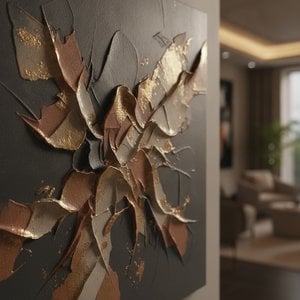
Freud revolucionou a técnica da pintura ao adotar o método do impasto—aplicação de tinta grossa em camadas sobrepostas para criar uma superfície texturizada e escultórica. Essa abordagem técnica permitiu que ele capturasse a riqueza das sensações físicas e emocionais presentes na vida cotidiana, buscando transmitir não apenas aparência, mas também sensação e sentimento. Sua pintura frequentemente explorava temas como o corpo humano, a relação entre artista e modelo, e a busca pela autenticidade emocional. Freud era conhecido por suas longas sessões de trabalho com modelos, durante as quais exigia uma atenção meticulosa aos detalhes e uma profunda compreensão da psicologia humana.
A Legacy of Unflinching Portraiture
Lucian Freud alcançou reconhecimento internacional como um dos principais artistas britânicos do século XX por meio de suas obras de retrato, que desafiaram as normas estéticas tradicionais e exploraram temas complexos sobre identidade e experiência subjetiva. Sua obra é caracterizada pela honestidade brutal e pela ausência de idealização ou elogio, buscando revelar a essência da personalidade humana em toda sua beleza e imperfeição. Freud influenciou gerações de artistas com seu estilo único e sua abordagem inovadora à pintura figurativa, consolidando seu lugar como um dos maiores nomes da arte britânica.
Influence on Contemporary Art
Freud deixou uma marca indelével na arte contemporânea, inspirando artistas em diversas disciplinas com sua estética singular e sua busca pela autenticidade emocional. Sua obra permanece relevante hoje por abordar questões existenciais fundamentais sobre a condição humana e pela capacidade de provocar reflexões profundas sobre o mundo ao redor. Lucian Freud é considerado um dos artistas mais importantes do século XX e seu legado continua a influenciar artistas contemporâneos em todo o mundo.



 Visualizar na parede
 Alternar para Impressão
 Compartilhar
 Compartilhar
 Detalhes
 Guia
Guia

 Baixar imagem
 Semelhantes
 Raio X
 Ver diaporama
 Q&A
Q&A Estatísticas


 Ler mais






































 A opção de vidro está disponível apenas para tamanhos inferiores a 110 cm