Biografia do Artista
A Renaissance Master of Saxony: The Life and Art of Lucas Cranach the Elder
Lucas Cranach the Elder, nascido em Kronach, Alemanha por volta de 1472, emerge como uma figura central do Renascimento germânico. Sua vida se desenrolou durante um período de intensas transformações religiosas e políticas, e sua arte tornou-se intrinsecamente ligada tanto à emergente Reforma Protestante quanto aos opulentos tribunais que serviu. Inicialmente treinado por seu pai, Hans Maler, o desenvolvimento artístico inicial de Cranach permanece em certa medida envolto em mistério, embora influências de mestres do sul da Alemanha sejam evidentes em seu estilo em evolução. Rapidamente, ele se distinguiu não apenas como um artesão habilidoso, mas como um artista capaz de capturar profundidade psicológica ao lado da precisão técnica – qualidades que logo atraíram a atenção de mecenas poderosos. Em 1504, ingressou no serviço de Frederico III, Eleitor de Saxônia, uma relação que definiria grande parte de sua carreira e lhe proporcionaria estabilidade e acesso a círculos influentes. Essa nomeação como pintor da corte em Wittenberg não era simplesmente para produzir obras decorativas; ela o colocava no coração de um dos movimentos mais transformadores da história europeia.
Patronage, Reformation and Artistic Innovation
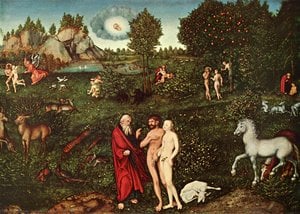
A posição de Cranach dentro do tribunal saxão provou ser crucial não apenas para sua subsistência, mas também para seu desenvolvimento artístico. Ele não estava simplesmente documentando eventos; ele estava ativamente moldando narrativas visuais durante um período de mudança profunda. Seu legado mais duradouro é, sem dúvida, sua associação próxima com Martinho Lutero, a figura central da Reforma Protestante. Cranach criou não menos do que onze retratos de Lutero, cada um oferecendo um vislumbre único da personalidade e do papel em evolução do reformador – qualidades essenciais para um líder desafiando a ordem religiosa estabelecida. Além dos retratos, Cranach traduziu as ideias da Reforma em termos visuais, produzindo xilogravuras e pinturas que disseminaram as ideias protestantes amplamente. Suas representações de cenas bíblicas se afastaram das tradicionais iconografias católicas, enfatizando o envolvimento direto com a Escritura e fomentando um relacionamento mais pessoal entre o espectador e a fé. A Anunciação a Joacim, por exemplo, irradia um espírito alegre, refletindo a nova ênfase na piedade individual dentro da igreja reformada. Essa abordagem inovadora se estendeu além dos temas religiosos; as pinturas mitológicas de Cranach, como representações de Vênus e outros personagens clássicos, frequentemente carregavam significados alegóricos relevantes para os problemas políticos e sociais contemporâneos.
A Workshop Dynasty: Style and Technique
Lucas Cranach the Elder não era um artista solitário trabalhando em isolamento. Ele dirigiu uma oficina notavelmente produtiva, empregando numerosos assistentes e aprendizes que contribuíram significativamente para sua produção. Essa abordagem colaborativa significou que muitas obras atribuídas a Cranach foram, na verdade, produzidas sob sua direção ou por membros de seu círculo – incluindo seu filho, Lucas Cranach the Younger. A oficina de Cranach tornou-se conhecida por seu estilo distinto: figuras elegantes com proporções alongadas, cores vibrantes e atenção meticulosa aos detalhes. Sua técnica envolvia uma combinação de pintura a óleo, xilogravura e gravura, permitindo que ele alcançasse um público amplo através tanto de obras de arte originais quanto de impressões acessíveis. A Caça ao Veado do Eleitor Frederico III o Sábio exemplifica sua maestria no estilo renascentista do norte, mostrando realismo detalhado ao lado do simbolismo nobre. A composição é dinâmica, capturando a energia da caçada enquanto transmite ao mesmo tempo o poder e o status do eleitor. O uso de luz e sombra cria uma sensação de profundidade e atmosfera, atraindo o espectador para a cena. Seus retratos são igualmente convincentes, caracterizados por sua percepção psicológica e execução refinada.
Major Achievements and Historical Significance
Lucas Cranach the Elder morreu em 1553, deixando um legado artístico extraordinário que continua a ressoar hoje. Ele foi um mestre na pintura de retratos, um intérprete habilidoso de temas religiosos e um empresário astuto que compreendeu o poder da comunicação visual. Sua obra não apenas reflete as correntes culturais e intelectuais de seu tempo, mas também ajudou a moldá-las. A oficina de Cranach continuou a prosperar após sua morte, garantindo que seu estilo e técnicas fossem perpetuados por gerações. Sua influência pode ser vista nas obras de inúmeros artistas posteriores, e suas pinturas permanecem altamente procuradas por colecionadores e museus em todo o mundo. Desde os retratos icônicos de Martinho Lutero até as cativantes cenas mitológicas, a arte de Cranach oferece uma janela fascinante para o mundo da Renascença alemã – um mundo marcado tanto pela profunda questão espiritual quanto pela inovação artística. Sua capacidade de combinar fervor religioso, sagacidade política e talento artístico selou seu lugar como um dos artistas mais importantes de sua era, e suas contribuições continuam a inspirar e cativar públicos por séculos.
Influences
Cranach foi influenciado por uma variedade de artistas e movimentos, incluindo os mestres do sul da Alemanha, como Hans Holbein o Jovem e Matthias Grünewald. A influência desses mestres pode ser vista em seu estilo realista, atenção aos detalhes e uso de cores vibrantes. Cranach também foi influenciado pela arte renascentista italiana, especialmente por Leonardo da Vinci e Rafael. Ele incorporou elementos dessas tradições em sua própria obra, como o uso de perspectiva e a representação naturalista das figuras humanas. Além disso, Cranach estava familiarizado com as ideias humanistas do século XVI, que enfatizavam a importância do indivíduo e a razão. Essas ideias se refletem em suas pinturas mitológicas, que frequentemente exploram temas de amor, beleza e moralidade.
Legacy
O legado de Lucas Cranach the Elder é vasto e duradouro. Ele é considerado um dos artistas mais importantes da Renascença alemã, e sua obra continua a ser estudada e admirada hoje em dia. Suas pinturas são exibidas em museus e galerias de todo o mundo, e suas gravuras são altamente valorizadas por colecionadores. Cranach também teve uma influência significativa no desenvolvimento da arte alemã, ajudando a estabelecer um novo estilo que combinava elementos do Renascimento italiano com as tradições artísticas locais. Sua obra é um testemunho do poder da arte para inspirar, provocar e transformar.



 Visualizar em escala
 Encomendar reprodução pintada à mão
 Enviar
 Compartilhar
 Ver detalhes
 Guia
Guia

 Baixar imagem
 Semelhantes
 Raio X
 Apresentação de slides
 Estatísticas


 Ver mais






































 A opção de vidro está disponível apenas para tamanhos inferiores a 110 cm