Impressão giclée ou em tela de qualidade de museu, com produção rápida e opções flexíveis de acabamento. ( Comprar pintura feita à mão Alternar para Imagem Digital)





























Escolha entre os nossos tamanhos pré-definidos que respeitam as proporções originais da obra de arte.

Insira a largura e a altura desejadas para se ajustarem à sua moldura ou parede. Uma impressão pode ser apenas cortada, nunca ampliada além da imagem original; portanto, um tamanho com proporções diferentes resultará na perda de parte da imagem. Enviamos uma maquete digital para sua aprovação antes de realizarmos a impressão. A imagem exibida nesta página não mostra o corte real — apenas a maquete o faz.
Entrega mundial () em 2 semanas, em vez das 4/5 semanas padrão. (8 Novembro)
Lucretia
Tamanho da Reprodução
In the quiet, somber depths of Lucas Cranach the Elder’s 1532 masterpiece, Lucretia, viewers are invited into a moment of profound psychological and spiritual intensity. This work is far more than a mere depiction of a classical tragedy; it is a haunting testament to the intersection of Renaissance humanism and the religious anxieties that defined Reformation Germany. As one gazes upon the figure, there is an immediate sense of being transported to a period where the boundaries between personal morality and divine will were being violently redrawn. Cranach, a master of the Northern Renaissance, utilizes a strikingly restrained approach, eschewing the vibrant, distracting palettes of his contemporaries in favor of a monochrome-leaning aesthetic that demands solemn contemplation.
The composition is masterfully understated, focusing the viewer's attention on the raw emotional gravity of the scene. Lucretia is presented with a vulnerability that is both heartbreaking and empowering. Her gaze, fixed upward toward an unseen heavens, suggests a soul caught in the midst of an agonizing transition—a refusal to succumb to the darkness of her trauma and an acceptance of her tragic fate. Beside her, the presence of Collatinus provides a poignant contrast; his kneeling posture and attempt to offer solace highlight the human struggle to find comfort amidst insurmountable grief. The starkness of the palette, dominated by muted shades of grey, ochre, and bone, amplifies this sense of mourning, creating an atmosphere where every subtle tonal gradation carries the weight of a heavy heart.
Beyond the immediate narrative of the Roman legend, Cranach weaves a rich tapestry of symbolism that resonates with both mythological and theological depth. The rocky outcrop upon which Lucretia rests serves as more than just a physical setting; it represents the harsh, unyielding realities of earthly existence and the trials of the human spirit. Through his expert use of chiaroscuro, Cranach creates dramatic contrasts between light and shadow that do not merely define form, but illuminate the internal struggle of his subject. The light seems to catch the edges of her grief, emphasizing her physical vulnerability while simultaneously suggesting a flicker of divine resilience.
For the discerning collector or interior designer, this painting offers an unparalleled opportunity to introduce a piece of profound intellectual and emotional depth into a space. The technique of tempera on panel allows for a precision and a matte finish that lends the work an antique, timeless quality, making it a sophisticated focal point for any curated collection. It is a work that does not merely decorate a room but transforms it, inviting conversation about history, ethics, and the enduring strength of the human character. To possess a high-quality reproduction of this piece is to hold a fragment of the Northern Renaissance—a window into an era where art served as the ultimate mirror for the complexities of the human soul.
No geral, "Lucretia" é registrado como deep_shadow. A luminosidade percebida descreve o quão clara ou escura a obra parece ser.
A atmosfera geral de "Lucretia", de Lucas Cranach o Velho é Elegant. O clima descreve a sensação predominante da obra.
A imagem de "Lucretia", de Lucas Cranach o Velho pode ser baixada na página de download da obra: Download download de imagem digital em alta resolução.


1472 - 1553 , Alemanha

Explore the dramatic evolution of Northern Mannerism. Discover how masters like Bosch and Grünewald transitioned from Renaissance harmony to profound, elegant distortion through an expert analysis of symbolism, emotional intensity, and artistic innovation.

Unveil the intricate mastery of Northern Renaissance Art. Explore the luminous oil techniques, hidden symbolism, and breathtaking realism of Flemish masters through an expert lens of art history and technical precision.
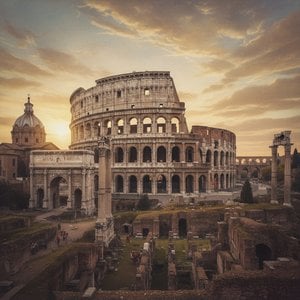
Explore the profound beauty of Roman architecture through art history. From Piranesi's evocative engravings to classical masterpieces, discover how the grandeur of ancient Rome continues to inspire collectors and art enthusiasts worldwide.
 Visualizar na parede
 Compartilhar
 Compartilhar
 Detalhes
 Guia
Guia

 Baixar imagem
 Semelhantes
 Raio X
 Ver diaporama
 Perguntas e Respostas
 Estatísticas


 Ler mais









 A opção de vidro está disponível apenas para tamanhos inferiores a 110 cm