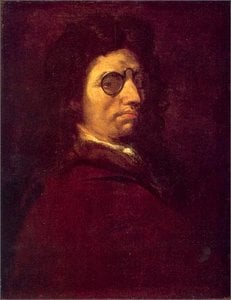
Um Dinamismo Napolitano: A Vida e a Arte de Luca Giordano
Luca Giordano, nascido em Nápoles em 1634, rapidamente se tornou sinônimo do espírito exuberante do Barroco tardio. Ele não era meramente um artista; era uma força da natureza, um turbilhão de criatividade cuja produção prolífica transformou tanto telas quanto espaços arquitetônicos por toda a Itália e Espanha. Seu pai, Antonio Giordano, lançou as bases iniciais de seu treinamento artístico, mas foi sob a orientação severa, porém magistral, de Jusepe de Ribera que o jovem Luca realmente começou a forjar seu caminho distinto. Este aprendizado inicial deixou uma marca indelével, evidente na intensidade dramática e no retrato realista das figuras características dos primeiros trabalhos de Giordano. No entanto, ao contrário da paleta frequentemente sombria de Ribera, Giordano possuía uma inclinação natural para a luminosidade e o movimento – qualidades que acabariam por definir seu estilo único. Já naquela época, ganhou o apelido de “Luca fa presto” – Luca, o rápido – um testemunho de sua notável velocidade e energia aparentemente ilimitada. Ele não era simplesmente habilidoso; era capaz de capturar emoção profunda e espetáculo deslumbrante com uma facilidade que surpreendia seus contemporâneos.
De Nápoles à Espanha: Uma Carreira em Constante Movimento
A jornada artística de Giordano estava longe de ser estática. Foi uma progressão dinâmica impulsionada por encomendas e viagens, levando-o pela península italiana e além. Após se estabelecer como uma estrela em ascensão em Nápoles, buscou oportunidades em Roma, Florença e Veneza, absorvendo as diversas influências de cada cidade como uma esponja. Em Veneza, estudou as obras de Ticiano e Veronese, abraçando suas paletas de cores vibrantes e composições dinâmicas – um contraste marcante com o tenebrismo de seu treinamento inicial. Florença viu-o realizar importantes ciclos de afrescos, notavelmente na cúpula da Capela Corsini na Chiesa del Carmine, demonstrando seu domínio crescente do espaço ilusionístico e da narrativa. Mas foi sua estada de uma década na Espanha (1682-1692) que consolidou sua reputação internacional. Nomeado pintor da corte de Carlos II, Giordano transformou interiores espanhóis com afrescos luxuosos, injetando uma dose muito necessária de exuberância italiana na tradição artística espanhola mais contida. A Biblioteca Riccardiana em Florença, adornada com afrescos alegóricos celebrando a sabedoria divina, é um testemunho desse período, mostrando sua capacidade de combinar profundidade intelectual com esplendor visual.
Uma Síntese de Estilos: A Assinatura Artística de Giordano
O gênio de Giordano não residia em inventar técnicas totalmente novas, mas em sintetizar as existentes em um estilo notavelmente fluido e decorativo. Ele combinou magistralmente o realismo dramático herdado de Ribera, o colorido luminoso inspirado pelos pintores venezianos e as composições dinâmicas reminiscentes de Pietro da Cortona. Seu trabalho com o pincel era caracterizado pela liberdade e espontaneidade, criando uma impressão de graça sem esforço. Ele não tinha medo de abraçar a ornamentação, preenchendo suas telas com detalhes intrincados e drapeados rodopiantes – uma marca registrada de seu estilo maduro. Essa abordagem permitiu que ele abordasse uma ampla gama de temas – desde cenas religiosas e narrativas mitológicas até retratos e esquemas decorativos – com igual desenvoltura.
O Juízo de Paris, abrigado no Museu de Berlim, exemplifica essa síntese; é uma exibição vibrante da mitologia clássica renderizada com um toque distintamente barroco. Seus afrescos, particularmente aqueles encontrados na Catedral de Nápoles e em vários palácios napolitanos, são realizações monumentais, transformando espaços arquitetônicos em experiências visuais imersivas que envolviam os espectadores em um mundo de cor e drama.
Legado e Influência: O Impacto Duradouro de um Mestre
A influência de Luca Giordano se estendeu muito além de sua vida. Ele treinou inúmeros alunos, incluindo Paolo de Matteis, que se tornou um artista de sucesso por direito próprio, espalhando suas inovações estilísticas pela Itália e além. Seu trabalho serviu como uma ponte entre os períodos do Alto Barroco e do Rococó, abrindo caminho para a estética mais leve e divertida que caracterizaria a arte do século XVIII.
Sua produção prolífica – estimada em mais de seiscentas pinturas e numerosos ciclos de afrescos – continua a cativar o público hoje. O Palácio de Capodimonte em Nápoles permanece um tesouro de suas obras, oferecendo uma visão abrangente de sua evolução artística. A capacidade de Giordano de combinar perfeitamente virtuosismo técnico com profundidade emocional garante seu lugar como uma das figuras mais importantes e amadas do Barroco italiano. Ele morreu em sua Nápoles natal em 1705, deixando um legado que continua a inspirar artistas e amantes da arte.
Obras Notáveis & Conexões Artísticas
Aqui estão algumas obras notáveis e conexões artísticas:
- O Juízo de Paris (Museu de Berlim): Um exemplo primordial das pinturas mitológicas de Giordano, mostrando sua paleta de cores vibrantes e composição dinâmica.
- Cristo com os Doutores no Templo (Galeria Corsini, Roma): Demonstra sua habilidade na narrativa religiosa e domínio da luz e sombra.
- Afrescos em Florença & Nápoles: Obras monumentais que transformaram espaços arquitetônicos em experiências visuais imersivas.
- Influências: Jusepe de Ribera, Ticiano, Veronese, Pietro da Cortona
- Artistas Influenciados: Paolo de Matteis e uma geração de pintores napolitanos.



 Visualizar em escala
 Alternar para Impressão
 Enviar
 Compartilhar
 Ver detalhes
 Guia
Guia

 Baixar imagem
 Semelhantes
 Raio X
 Apresentação de slides
 Estatísticas


 Ver mais