Visualizar em escala Visualizar em RA Encomendar reprodução pintada à mão Ver Imagem Digital Enviar
Ver detalhes Adicionar aos favoritos Baixar imagem Semelhantes Raio X Apresentação de slides Estatísticas

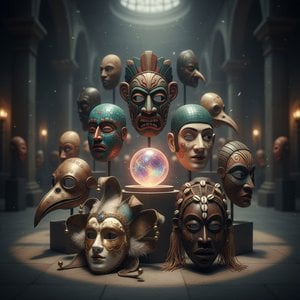
Paul Hartland Carnival. Composition with two masks .

Explore Laszlo Moholy-Nagy’s ‘Paul Hartland Carnival’! A surreal collage of masks & textures, blending pop art & psychedelic imagery. Discover this unique 1934 artwork.

László Moholy-Nagy (1895-1946): Visionário artista e mestre Bauhaus. Pioneiro do Construtivismo, fotografia e 'Nova Visão', fundou a escola de design em Chicago. Sua obra integra arte e tecnologia.

Giclée / Impressão de Arte

Impressão giclée ou em tela de qualidade de museu, com produção rápida e opções flexíveis de acabamento. ( Encomendar reprodução pintada à mão Ver Imagem Digital)

P118B $10
P118H $10
P118W $10
P438Z $10
P508JH $12
P508YH $12
P805H $10
P805Z $10
P919BZ $10
P919G $10
P919XJ $10
P959ZH $10
P968JZ $12
W106C $8
W218G $10
W218JH $8
W218Y $10
W307PJ $10
W316G $10
W316PJ $8
W316Y $10
W398PJ $8
W4111J $10
W500HY $15
W500JH $15
W692G $12
W849H $8
W940BG $15
W953PJ $8

Padrão
sob medida
CM
INCH

Escolha entre os nossos tamanhos pré-definidos que respeitam as proporções originais da obra de arte.

largura
altura

Você pode inserir suas próprias dimensões para se ajustar a uma moldura ou espaço específico. Se o tamanho selecionado não corresponder às proporções da imagem original, iremos recortar a obra de arte ou estender a imagem com uma borda espelhada ou preenchimento sólido. Um mockup digital será enviado para sua aprovação antes do início da produção.
Por favor, observe que a visualização na tela não reflete o recorte ou a extensão real. Apenas o mockup mostrará com precisão a composição final.
Embora tamanhos personalizados estejam disponíveis, recomendamos selecionar uma dimensão da lista predefinida para preservar as proporções originais.

Entrega mundial () em 2 semanas, em vez das 4/5 semanas padrão. (17 Setembro)

why_choose_icon
Envio expresso gratuito para todo o mundo
why_choose_icon
Tela de Linho Premium
why_choose_icon
Seguro de transporte total
why_choose_icon
Garantia de Reembolso de Impostos Alfandegários
why_choose_icon
Garantia de Fidelidade de Cor
why_choose_icon
Política de Devolução em 100 Dias (Apenas para Defeitos)
why_choose_icon
Garantia de reembolso de 100%
why_choose_icon
Desconto para múltiplas unidades

Preço Total

$ 68

reproduction

Paul Hartland Carnival. Composition with two masks .

Giclée / Impressão de Arte

Dimensões da Reprodução

-

Preço Total

$ 68

Detalhes Rápidos

  • Title: Paul Hartland Carnival
  • Year: 1934
  • Influences:
    • Bauhaus
    • Constructivism
  • Artist: László Moholy-Nagy
  • Artistic style: Pop Art, Psychedelic
  • Notable elements: Masks, textures
  • Medium: Photomontage

The Dreamlike World of László Moholy-Nagy: Unveiling “Paul Hartland Carnival”

László Moholy-Nagy’s “Paul Hartland Carnival. Composition with two masks.”, created in 1934, isn't merely a painting; it’s an immersive journey into the subconscious, a vibrant collision of memory and illusion rendered in bold colors and fragmented forms. This artwork, now available as a high-quality reproduction through WahooArt.com, stands as a testament to Moholy-Nagy’s pioneering spirit – his relentless experimentation with photography, collage, and the very nature of perception. It's a piece that immediately demands attention, pulling the viewer into its dreamlike atmosphere and prompting questions about identity, representation, and the power of visual language.

At first glance, the composition appears chaotic—two figures, their faces obscured by layers of textured material, dominate the central space. However, a closer look reveals a carefully orchestrated balance. Sharp angular lines intersect with softer curves, creating a dynamic tension that mirrors the complexities of human experience. The use of reflective surfaces – cellophane, perhaps, or other translucent materials – adds an ethereal quality, blurring the boundaries between reality and illusion. Fragments of what seem to be photographs, printed matter, and even architectural elements are interwoven, suggesting a world constructed from disparate memories and experiences.

A Pioneer of “New Vision”: Moholy-Nagy’s Artistic Philosophy

To fully appreciate “Paul Hartland Carnival,” it's crucial to understand the context of Moholy-Nagy’s artistic philosophy, which he termed "New Vision." Rejecting traditional notions of representation, he believed that photography could reveal hidden aspects of reality – a world beyond what the eye perceives. This concept profoundly influenced his work, leading him to experiment with photograms (images created by placing objects directly on light-sensitive paper) and other techniques designed to manipulate perception. He sought to capture not just appearances but also the *feeling* of a subject, translating it into visual form.

The artwork’s vibrant color palette – dominated by reds, yellows, and blues – further reinforces this sense of heightened emotion and subjective experience. These aren't naturalistic colors; they are deliberately chosen to evoke specific moods and sensations. The use of contrasting hues creates a dynamic visual rhythm, drawing the eye across the composition and adding to its overall intensity.

Historical Context: Dadaism, Constructivism, and the Dawn of Modernity

“Paul Hartland Carnival” was created during a period of profound social and artistic upheaval. The early 1930s witnessed the rise of Dadaism in Europe, a movement that challenged traditional notions of art and embraced absurdity and anti-establishment sentiment. Simultaneously, Constructivism – a Russian avant-garde movement focused on geometric abstraction and industrial materials – was gaining momentum. Moholy-Nagy’s work reflects these influences, blending elements of both styles while forging his own unique visual language.

His time at the Bauhaus school in Weimar further shaped his artistic approach, emphasizing design principles and exploring new technologies. The artwork's fragmented composition and use of unconventional materials can be seen as a direct response to the rapidly changing world around him – a world grappling with industrialization, urbanization, and the anxieties of modernity. It’s a visual echo of the era’s dynamism and uncertainty.

Symbolism and Emotional Resonance: A Portrait of the Psyche

While the specific meaning of “Paul Hartland Carnival” remains open to interpretation, it's clear that the two masked figures represent something deeper than mere portraits. They could symbolize duality, hidden identities, or perhaps the fragmented nature of selfhood. The masks themselves suggest a deliberate concealment, inviting us to question what lies beneath the surface.

Ultimately, this artwork is an invitation to engage with our own subconscious – to explore the layers of memory, emotion, and experience that shape our perceptions. It’s a powerful reminder of the transformative potential of art, capable of transporting us beyond the realm of the literal and into the depths of the human psyche. A reproduction of “Paul Hartland Carnival” offers a captivating glimpse into Moholy-Nagy's visionary world, bringing this extraordinary piece to your home or office.


Biografia do Artista

László Moholy-Nagy: Um Pioneiro da Arte Moderna e o Bauhaus

László Moholy-Nagy (1895-1946) foi um artista húngaro de profunda influência, pintor, fotógrafo, escultor e designer. É amplamente conhecido por suas contribuições significativas à escola Bauhaus e seu trabalho pioneiro em Construtivismo, tipografia, fotografia e arte cinética. Sua filosofia artística girava em torno da integração da tecnologia e da indústria nas artes, defendendo uma nova visão de criatividade que abraçava o mundo moderno. A vida de Moholy-Nagy foi marcada por eventos históricos turbulentos, influenciando profundamente sua obra e pensamento.

Primeiros Anos e Influências

László Weisz nasceu em Bacsborsód, Hungria, em 1895, filho de uma família judia. Mais tarde, adotou o sobrenome Moholy-Nagy. Seu tio materno, Gusztáv Nagy, um advogado que vivia em Moholy (atual Sérvia), exerceu uma influência significativa em sua vida, oferecendo orientação e apoio. Aos 18 anos, ingressou na Faculdade de Direito de Budapeste, mas interrompeu seus estudos para servir no exército austro-húngaro durante a Primeira Guerra Mundial, sofrendo uma grave lesão que o acompanharia pelo resto da vida. Foi nesse período que se expôs às vanguardas artísticas através de periódicos como "Jelenkor" e do círculo “ativista” em torno do jornal "Ma", liderado por Lajos Kassák. Sua formação artística inicial ocorreu com o artista húngaro fauvista Róbert Berény, demonstrando um interesse precoce pelas tendências artísticas modernas. Ele também teve um breve período de apoio ao República Soviética Húngara. As influências cruciais para Moholy-Nagy foram o Construtivismo e o Suprematismo, movimentos que enfatizavam a abstração geométrica e os materiais industriais. Essas influências são evidentes em muitas de suas obras posteriores.

Os Anos no Bauhaus e "Nova Visão"

Em 1923, Moholy-Nagy ingressou na escola Bauhaus em Weimar, Alemanha, inicialmente co-ensinando o curso preliminar com Josef Albers e, posteriormente, substituindo Johannes Itten como chefe do ateliê de metal. Sua chegada marcou uma mudança significativa da Expressãoismo para uma abordagem mais Construtivista e orientada ao design, alinhando-se aos objetivos originais da escola. Ele cunhou o termo "Nova Visão" (Neues Sehen), que defendia a capacidade da câmera de revelar aspectos da realidade invisíveis ao olho humano. Esse conceito sustentava sua experimentação fotográfica e artística. Moholy-Nagy foi um fervoroso defensor da integração da tecnologia na arte, acreditando que ela poderia revolucionar a forma como percebíamos o mundo. Ele explorou técnicas inovadoras como o *photogram*, criando imagens colocando objetos diretamente sobre papel sensível à luz, sem usar uma câmera. Essa técnica demonstrava sua busca por novas formas de representação e experimentação visual. Além disso, ele se aventurou na criação de filmes, buscando explorar a relação entre imagem, movimento e percepção.

Principais Conquistas e Inovações

Um dos trabalhos mais emblemáticos de Moholy-Nagy é o "Lichtrequisit einer elektrischen bühne" (Modulador de Luz e Espaço), concluído em 1930. Esta escultura cinética utilizava partes móveis e projetava luz para criar padrões dinâmicos sobre as superfícies circundantes, considerada um precursor tanto da arte cinética quanto da arte luminosa. Sua fotografia explorou a abstração, a textura e o movimento, frequentemente utilizando técnicas não convencionais como o photomontagem e a iluminação experimental. Ele também se aventurou no design de palco para produções teatrais e criou campanhas publicitárias, demonstrando uma versatilidade que refletia sua filosofia de design. Sua influência na educação artística foi igualmente significativa. Como professor na Bauhaus e posteriormente na New Bauhaus em Chicago (que ele fundou), Moholy-Nagy influenciou profundamente gerações de artistas e designers.

Significado Histórico

László Moholy-Nagy é reconhecido como uma figura fundamental na arte moderna do século XX, conectando a pintura, a escultura, a fotografia e o design industrial. Suas contribuições para a escola Bauhaus moldaram seu currículo e estética, deixando um impacto duradouro na educação de design em todo o mundo. Sua ênfase na integração da tecnologia na arte antecipou muitos desenvolvimentos nas práticas artísticas contemporâneas. Sua concepção de "Nova Visão" continua a inspirar artistas e fotógrafos a explorar as possibilidades de percepção e representação por meio de técnicas inovadoras. A obra de Moholy-Nagy permanece um testemunho da capacidade da arte de desafiar convenções, abraçar novas tecnologias e refletir as complexidades do mundo moderno.
László Moholy-Nagy

László Moholy-Nagy

1895 - 1946 , Hungria

Informações Rápidas

  • Artistic Movement Or Style: Construtivismo, Bauhaus
  • Artists Or Movements Influenced By This Artist: ['Marianne Brandt']
  • Artists Who Influenced This Artist: ['Robert Berény']
  • Date Of Birth: 1895
  • Full Name: László Moholy-Nagy
  • Nationality: Húngaro
  • Notable Artworks:
    • Small Composition
    • Flower
    • Mass Psychosis
  • Place Of Birth: Bacs-Kajala, Hungria