Biografia do Artista
A Life Forged in Shadow and Light
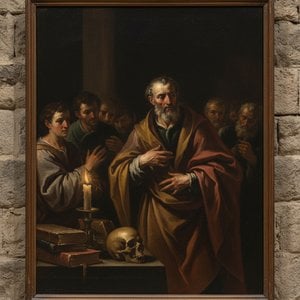
Jusepe de Ribera, conhecido por muitos como Lo Spagnoletto – “o Espanholito” – foi uma figura imponente da era Barroca, um artista cujas telas pulsavam com intensidade dramática e realismo implacável. Nascido em Xàtiva, Espanha, em 1591, sua jornada o levou longe de suas origens valencianas, estabelecendo-o finalmente como um dos artistas mais significativos da Itália no século XVII, uma cidade então sob domínio espanhol. A vida de Ribera não foi meramente um relato do desenvolvimento artístico; foi uma narrativa tecida com dificuldades, ambição e um compromisso inabalável em retratar a condição humana em toda a sua complexidade crua. Embora os detalhes biográficos iniciais permaneçam parcialmente envoltos em mistério, sabemos que ele chegou à Itália por volta de 1607, inicialmente estabelecendo-se em Roma antes de se dirigir a Nápoles em 1616 – uma cidade que logo se tornaria tanto seu lar artístico quanto o crisol para seu estilo único. Seu casamento com Caterina Azzolino, filha de um pintor local, consolidou ainda mais seus laços com o mundo da arte napolitano, permitindo-lhe prosperar dentro de sua atmosfera vibrante, mas frequentemente turbulenta.
O Abraço do Tenebrismo e a Visão Realista
A formação artística de Ribera foi profundamente moldada pelas correntes predominantes da pintura italiana. A influência de Caravaggio é inegável; Ribera absorveu o uso revolucionário do mestre para o tenebrismo – essa dramática interação entre luz e sombra – para criar cenas carregadas de poder emocional. No entanto, ele não simplesmente imitou. Ele sintetizou essa técnica com elementos extraídos de outros mestres como Guido Reni, incorporando uma sensibilidade clássica em suas composições ao mesmo tempo que mantinha o impacto visceral do realismo de Caravaggio. Essa fusão resultou em um estilo singularmente seu: caracterizado por contrastes marcantes, figuras intensamente focadas e uma quase brutal honestidade na representação da dor humana e do êxtase espiritual. Suas obras iniciais, como o Martírio de São Bartolomeu, exemplificam essa abordagem – uma representação angustiante de sofrimento, renderizada com detalhes implacáveis. Ele não hesitou em retratar as realidades físicas do martírio, os corpos contorcidos, os músculos tensos, a própria textura da pele e dos ossos. Esse compromisso com o realismo se estendeu além dos temas religiosos; seus retratos de mendigos e pessoas comuns, frequentemente representados como filósofos ou santos, elevaram os marginalizados a um nível de dignidade e importância raramente visto na arte antes.
Uma Carreira em Diversos Gêneros e Estilos Evolutivos
A produção artística de Ribera foi notavelmente diversa. Embora seja talvez mais conhecido por suas pinturas religiosas – cenas de martírio, representações de santos e dramáticas narrativas bíblicas –, ele também se destacou na pintura de retrato, natureza morta e até mesmo paisagem. Sua obra *São Jerônimo Lendo* , por exemplo, apresenta um lado mais suave e contemplativo de sua arte, ao mesmo tempo que mantém a característica iluminação dramática que define seu trabalho. Ao longo de sua carreira, o estilo de Ribera passou por evoluções sutis, mas significativas. Suas primeiras pinturas são marcadas por um realismo quase austero e pelo uso estático de tenebrismo. À medida que amadurecia, particularmente após se estabelecer firmemente em Nápoles, sua paleta tornou-se mais rica, suas composições mais complexas e sua iluminação um pouco mais suave. No entanto, os elementos centrais de sua estética barroca – a intensidade emocional, as narrativas dramáticas e o compromisso inabalável em retratar a experiência humana com honestidade – permaneceram constantes. Ele era um artesão mestre, capaz de render texturas com precisão notável, desde o tecido rústico do manto de um mendigo até a pele lisa de um santo jovem.
Influências e Legado
Ribera foi influenciado por uma variedade de artistas e movimentos, incluindo Caravaggio, Guido Reni e os mestres da pintura veneziana. No entanto, seu estilo único é resultado de sua síntese dessas influências, criando uma obra que é ao mesmo tempo dramática e realista. Ele também foi um importante pintor espanhol, ao lado de Velázquez, Zurbarán e Murillo. Seu uso inovador do tenebrismo e seu realismo implacável influenciaram gerações de artistas em toda a Europa. Sua obra ressoou com aqueles que buscavam romper com as formas idealizadas da pintura renascentista e abraçar um estilo mais visceral e emocionalmente carregado. Mesmo artistas posteriores se inspiraram em suas composições dramáticas e representações poderosas da condição humana. Hoje, as pinturas de Ribera são exibidas em museus prestigiosos em todo o mundo – o Museu do Prado em Madri, a National Gallery of Art em Washington D.C., e inúmeras instituições na Europa – garantindo que seu legado continue a inspirar e cativar públicos por séculos após sua morte em 1652. Ele é um testemunho do poder da arte para confrontar verdades difíceis, explorar as profundezas da emoção humana e iluminar o espírito duradouro da fé e da resiliência.
Um Mestre e Sua Duradoura Atração
A atração contínua pela obra de Ribera reside em sua capacidade de transcender o tempo e as fronteiras culturais. Suas pinturas não são meros artefatos históricos; são declarações poderosas sobre a condição humana – sobre sofrimento, fé, esperança e desespero. Seu realismo implacável nos força a confrontar verdades desconfortáveis, enquanto suas composições dramáticas e seu uso magistral da luz e sombra criam uma atmosfera de intenso ressonância emocional. Lo Spagnoletto, como era carinhosamente chamado, deixou para trás um corpo de trabalho que é ao mesmo tempo profundamente comovente e intelectualmente estimulante – um legado que garante seu lugar entre os maiores mestres da era Barroca. Suas pinturas não são apenas a serem admiradas; são para serem experimentadas—sentidas nas profundezas do ser.



 Visualizar em escala
 Encomendar reprodução pintada à mão
 Enviar
 Compartilhar
 Ver detalhes
 Guia de Obras do Aluno

 Baixar imagem
 Semelhantes
 Raio X
 Apresentação de slides
 Estatísticas


 Ver mais






































 A opção de vidro está disponível apenas para tamanhos inferiores a 110 cm