x
Visualizar na paredeVisualizar na parede Ver em RAVer em RA Comprar pintura feita à mão Comprar pintura feita à mãoComprar imagem Comprar imagem CompartilharCompartilhar
DetalhesDetalhes Adicionar aos favoritos Adicionar aos favoritos Baixar imagemBaixar imagem SemelhantesSemelhantes Raio XRaio X SlideshowSlideshow

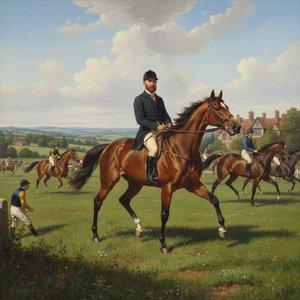
Classical Landscape with Gypsies

Explore John Wootton's masterpiece – ‘Classical Landscape with Gypsies’ (1748), commissioned by Sir James Dashwood for Kirtlington Park. Admire the vibrant depiction of aristocratic life and equestrian artistry.

John Wootton (1682-1764): Um pintor inglês pioneiro na arte esportiva, famoso por retratos elegantes de cavalos e paisagens que atraíram a aristocracia inglesa como George II. Influenciado por Gainsborough, moldou a estética do século XVIII.

Giclée / Impressão de Arte

Impressão giclée ou em tela de qualidade de museu, com produção rápida e opções flexíveis de acabamento. (Comprar pintura feita à mão Comprar pintura feita à mãoComprar imagem Comprar imagem)

P118B $10
P118H $10
P118W $10
P438Z $10
P508JH $12
P508YH $12
P805H $10
P805Z $10
P919BZ $10
P919G $10
P919XJ $10
P959ZH $10
P968JZ $12
W106C $8
W218G $10
W218JH $8
W218Y $10
W307PJ $10
W316G $10
W316PJ $8
W316Y $10
W398PJ $8
W4111J $10
W500HY $15
W500JH $15
W692G $12
W849H $8
W940BG $15
W953PJ $8

Tamanho padrão
personalizado
CM
INCH

Escolha entre os nossos tamanhos pré-definidos que respeitam as proporções originais da obra de arte.

largura
altura

Você pode inserir suas próprias dimensões para se ajustar a uma moldura ou espaço específico. Se o tamanho selecionado não corresponder às proporções da imagem original, iremos recortar a obra de arte ou estender a imagem com uma borda espelhada ou preenchimento sólido. Um mockup digital será enviado para sua aprovação antes do início da produção.
Por favor, observe que a visualização na tela não reflete o recorte ou a extensão real. Apenas o mockup mostrará com precisão a composição final.
Embora tamanhos personalizados estejam disponíveis, recomendamos selecionar uma dimensão da lista predefinida para preservar as proporções originais.

Entrega mundial () em 2 semanas, em vez das 4/5 semanas padrão. (3 Setembro)

why_choose_icon
Envio expresso gratuito para todo o mundo
why_choose_icon
Tela de Linho de Alta Qualidade
why_choose_icon
Seguro de transporte completo
why_choose_icon
Garantia de Reembolso de Impostos Alfandegários
why_choose_icon
Garantia de Fidelidade Cromática
why_choose_icon
Política de Devolução em 60 Dias (Apenas para Defeitos)
why_choose_icon
Garantia de reembolso de 100%
why_choose_icon
Oferta de desconto por quantidade

Preço Total

$ 68

reproduction

Classical Landscape with Gypsies

Giclée / Impressão de Arte

Tamanho da Reprodução

-

Preço Total

$ 68

Informações Rápidas

  • Influences: Landscape Painting
  • Title: Classical Landscape with Gypsies
  • Notable elements or techniques: Detailed depiction of horses and figures
  • Year: 1748
  • Subject or theme: Rural Scene
  • Artistic style: Classical Landscape
  • Medium: Oil on canvas

A Pastoral Symphony: The Enchantment of Wootton’s Landscape

In the grand tapestry of eighteenth-century British art, few works capture the harmonious tension between aristocratic refinement and the untamed spirit of nature as gracefully as John Wootton’s "Classical Landscape with Gypsies." Executed in 1748, this monumental canvas serves as a breathtaking window into the Regency era's profound fascination with pastoral beauty. The scene unfolds not merely as a static depiction of countryside, but as a meticulously choreographed tableau where the rolling hills and muted greens of the English landscape provide a stage for a lively human narrative. As one gazes upon the composition, there is an immediate sense of entering a world where time slows down, inviting the viewer to wander through the atmospheric perspective and tonal gradations that Wootton mastered so exquisitely under the tutelage of Jan Wyck.

The painting’s subject matter strikes a delicate balance between the idyllic and the itinerant. At its heart, a gathering of gypsies moves through the landscape, their presence introducing a layer of nomadic vitality to the otherwise serene setting. This juxtaposition—the transient life of the travelers set against the permanent, stately backdrop of the countryside—was a hallmark of the era's artistic curiosity. The inclusion of horses, rendered with Wootton’s signature precision, further elevates the narrative; these noble creatures are not merely animals within the frame but symbols of status, freedom, and the deep-seated connection between the landed gentry and the natural world. For the discerning collector or interior designer, this piece offers a profound sense of movement and life, making it an ideal centerpiece for spaces that require a touch of historical grandeur and organic warmth.

Mastery of Brush and Light: The Technical Brilliance

To appreciate "Classical Landscape with Gypsies" is to witness the technical prowess of a pioneer of sporting art. Wootton’s technique eschews the rigid, clinical precision often found in academic painting of his time, opting instead for loose, expressive brushstrokes that imbue the canvas with palpable emotion and dynamism. One can almost feel the breeze moving through the scattered trees and sense the heat radiating from the sun-drenched hills. His ability to manipulate light and shadow creates a sense of depth that draws the eye inward, leading the viewer from the detailed interactions in the foreground—where figures converse and tend to their mounts—toward the hazy, distant horizons.

The color palette is a masterclass in subtlety, utilizing earthy browns, soft ochres, and deep forest greens to evoke a sense of timelessness. This restrained use of color ensures that the painting does not overwhelm a room but rather complements it, providing a sophisticated foundation for luxury decor. For those seeking to integrate fine art into a contemporary or classical interior, a high-quality reproduction of this work offers more than just decoration; it provides an infusion of historical soul. The way Wootton captures the texture of animal coats, the softness of the foliage, and the very atmosphere of the English afternoon makes this painting an enduring masterpiece that continues to inspire awe and tranquility in all who behold it.


Biografia do Artista

A Pioneer of Sporting Art: The Life and Legacy of John Wootton

John Wootton, born around 1686 in the picturesque Warwickshire village of Snitterfield, near Stratford-upon-Avon, emerged as a pivotal figure in the burgeoning world of British sporting art. While the precise details of his early life remain somewhat shrouded in the mists of time – historical records offer only glimpses into his formative years – it’s believed he entered the service of the esteemed Beaufort family at a young age. This association likely instilled within him a profound appreciation for equestrian pursuits and provided an intimate understanding of the aristocratic circles that would profoundly shape his artistic career. Wootton's artistic journey truly began with formal training under Jan Wyck during the 1690s, a period where he diligently honed fundamental skills in draftsmanship and painting techniques – a solid foundation upon which he would later construct a remarkably successful and influential body of work. Even within these early years, Wootton demonstrated an innate talent for capturing the essence of horses, foreshadowing his future mastery of equine portraiture as evidenced by his earliest known piece, “Bonny Black” (1711).

Establishing a Reputation in London’s Artistic Scene

By 1706, Wootton had firmly established himself within the vibrant artistic landscape of London. He swiftly gained recognition for his captivating depictions of horses, particularly those that frequented the prestigious racing scene at Newmarket – a hub of excitement and social activity. However, Wootton's artistry extended far beyond mere documentation; he possessed an extraordinary ability to capture not just the physical appearance of these magnificent animals but also their spirit, their power, and their unique individual character with an unprecedented level of detail and sensitivity. This specialized focus brought him into close contact with Britain’s elite – a patronage that included figures as prominent as George II and Frederick, Prince of Wales. Wootton actively engaged with the artistic community, becoming a subscribing member of the first English Academy of Painting and Drawing in 1711 and later serving as a steward of the Virtuosi Club of St Luke’s by 1717 – demonstrating his commitment to fostering intellectual discourse and collaboration amongst artists. Yet, Wootton's contribution transcended simply painting horses; he was a key figure in introducing what became known as the “ideal landscape” to British art – a stylistic approach that sought to emulate the classical landscapes of artists like Gaspard Dughet (also known as Gaspar van Wittel). By incorporating elements of classical composition and perspective into his paintings, Wootton offered a refreshing departure from the prevailing Dutch and Flemish styles that had previously dominated the British artistic scene.

A Master of Light, Shadow, and Equestrian Detail

Wootton’s artistic style is characterized by an almost obsessive attention to detail, combined with a masterful understanding of light and shadow. He possessed an exceptional ability to observe and then idealize, creating works that were both aesthetically pleasing and remarkably realistic. His equine portraits are arguably his most celebrated achievement – paintings like “The Bloody-Shouldered Arabian” showcase not only technical skill but also a deep understanding of anatomy, musculature, and the subtle nuances of horse behavior. Wootton’s compositions often featured dynamic action poses, capturing the movement and energy of both horses and riders with breathtaking precision. Beyond individual horse portraits, Wootton excelled at depicting lively hunting scenes and equestrian activities – often incorporating "conversation pieces" that presented aristocratic figures engaged in leisure pursuits amidst picturesque landscapes. These works weren't merely records of events; they were carefully constructed narratives designed to capture the social dynamics and refined tastes of the British aristocracy. His landscapes, while sometimes overshadowed by his animal paintings, demonstrate a refined understanding of perspective, composition, and atmospheric effects – further solidifying his position as a versatile and innovative artist.

Major Works and Lasting Influence

Throughout his career, Wootton produced an impressive body of work that continues to be admired for its technical brilliance and artistic merit. Notable examples include “Bonny Black” (1711), a remarkably detailed portrait of a young mare; “The Bloody-Shouldered Arabian” (c. 1720), a dynamic depiction of a racehorse in full stride; and numerous hunting scenes that capture the excitement and camaraderie of the British sporting tradition. His influence on subsequent generations of British artists is undeniable, particularly Thomas Gainsborough, who frequently studied Wootton’s work and incorporated elements of his style into his own paintings. Wootton's introduction of the ideal landscape style had a lasting impact on British painting, influencing artists to embrace a more classical approach to composition and perspective. He bridged the gap between earlier traditions and the emerging styles that would define 18th-century British art.

A Legacy Preserved in Collections Worldwide

Today, John Wootton’s works are held in prestigious collections around the world – including the Tate Gallery (London), the Virginia Museum of Fine Arts (Richmond), and the Yale Center for British Art. His paintings serve as a testament to his extraordinary talent and enduring legacy as one of the most important figures in the history of British sporting art. He stands as a reminder of the power of observation, innovation, and the timeless appeal of capturing the beauty and dynamism of both the natural world and the aristocratic pursuits that defined his era.
John Wootton

John Wootton

1682 - 1764 , Reino Unido

Dados Rápidos

  • Artistic Movement Or Style: Sporting art, Landscape
  • Artists Or Movements Influenced By This Artist: ['Thomas Gainsborough']
  • Artists Who Influenced This Artist:
    • Jan Wyck
    • Gaspard Dughet
  • Date Of Birth: c. 1682
  • Date Of Death: 1764
  • Full Name: John Wootton
  • Nationality: British
  • Notable Artworks:
    • Bonny Black
    • Before the hunt
    • The Bloody-Shouldered Arabian
  • Place Of Birth: Snitterfield, UK
Explore obras de arte organizadas por temas, estilos e características.