Visualizar na parede Visualizar em RA Comprar pintura feita à mão Alternar para Imagem Digital Compartilhar
Detalhes Guia Adicionar aos favoritos Baixar imagem Semelhantes Raio X Ver diaporama Estatísticas

The Spanish Dancer

Experience John Singer Sargent's 'The Spanish Dancer,' a captivating oil painting brimming with movement and drama. Witness the energy of flamenco through rich colors & masterful brushwork – a timeless masterpiece.

Explore a vida e obra de John Singer Sargent! Retratos icônicos, paisagens impressionistas e a elegância da Era Vitoriana do mestre americano. Descubra sua arte!

Giclée / Impressão de Arte

Impressão giclée ou em tela de qualidade de museu, com produção rápida e opções flexíveis de acabamento. ( Comprar pintura feita à mão Alternar para Imagem Digital)

Corner sample of the P118B picture frame: poliestireno moldado, 5 cm wide and 3 cm thick
P118B €10
Corner sample of the P118H picture frame: poliestireno moldado, 5 cm wide and 3 cm thick
P118H €10
Corner sample of the P118W picture frame: poliestireno moldado, 5 cm wide and 3 cm thick
P118W €10
Corner sample of the P438Z picture frame: poliestireno moldado, 5.5 cm wide and 3.5 cm thick
P438Z €10
Corner sample of the P508JH picture frame: poliestireno moldado, 7 cm wide and 3.5 cm thick
P508JH €12
Corner sample of the P508YH picture frame: poliestireno moldado, 7 cm wide and 3.5 cm thick
P508YH €12
Corner sample of the P805H picture frame: poliestireno moldado, 5 cm wide and 3.5 cm thick
P805H €10
Corner sample of the P805Z picture frame: poliestireno moldado, 5 cm wide and 3.5 cm thick
P805Z €10
Corner sample of the P919BZ picture frame: poliestireno moldado, 7 cm wide and 3.5 cm thick
P919BZ €10
Corner sample of the P919G picture frame: poliestireno moldado, 7 cm wide and 3.5 cm thick
P919G €10
Corner sample of the P919XJ picture frame: poliestireno moldado, 7 cm wide and 3.5 cm thick
P919XJ €10
Corner sample of the P959ZH picture frame: poliestireno moldado, 5 cm wide and 3 cm thick
P959ZH €10
Corner sample of the P968JZ picture frame: poliestireno moldado, 6 cm wide and 4 cm thick
P968JZ €12
Corner sample of the W106C picture frame: madeira maciça, 5 cm wide and 3 cm thick
W106C €8
Corner sample of the W218G picture frame: madeira maciça, 5 cm wide and 3 cm thick
W218G €10
Corner sample of the W218JH picture frame: madeira maciça, 5 cm wide and 3 cm thick
W218JH €8
Corner sample of the W218Y picture frame: madeira maciça, 5 cm wide and 3 cm thick
W218Y €10
Corner sample of the W307PJ picture frame: madeira maciça, 6 cm wide and 3 cm thick
W307PJ €10
Corner sample of the W316G picture frame: madeira maciça, 6 cm wide and 3 cm thick
W316G €10
Corner sample of the W316PJ picture frame: madeira maciça, 6 cm wide and 3 cm thick
W316PJ €8
Corner sample of the W316Y picture frame: madeira maciça, 6 cm wide and 3 cm thick
W316Y €10
Corner sample of the W398PJ picture frame: madeira maciça, 5 cm wide and 3 cm thick
W398PJ €8
Corner sample of the W4111J picture frame: madeira maciça, 6.5 cm wide and 3.5 cm thick
W4111J €10
Corner sample of the W500HY picture frame: madeira maciça, 7 cm wide and 5 cm thick
W500HY €15
Corner sample of the W500JH picture frame: madeira maciça, 7 cm wide and 5 cm thick
W500JH €15
Corner sample of the W692G picture frame: madeira maciça, 8 cm wide and 4 cm thick
W692G €12
Corner sample of the W849H picture frame: madeira maciça, 5 cm wide and 3 cm thick
W849H €8
Corner sample of the W940BG picture frame: madeira maciça, 7.5 cm wide and 4.5 cm thick
W940BG €15
Corner sample of the W953PJ picture frame: madeira maciça, 6 cm wide and 3.5 cm thick
W953PJ €8

Tamanho padrão
personalizado
CM
INCH

Escolha entre os nossos tamanhos pré-definidos que respeitam as proporções originais da obra de arte.

largura
altura

Insira a largura e a altura desejadas para se ajustarem à sua moldura ou parede. Uma impressão pode ser apenas cortada, nunca ampliada além da imagem original; portanto, um tamanho com proporções diferentes resultará na perda de parte da imagem. Enviamos uma maquete digital para sua aprovação antes de realizarmos a impressão. A imagem exibida nesta página não mostra o corte real — apenas a maquete o faz.

Entrega mundial () em 2 semanas, em vez das 4/5 semanas padrão. (26 Outubro)

Envio expresso gratuito para todo o mundo
Tela de Linho de Alta Qualidade
Seguro de transporte completo
Garantia de Reembolso de Impostos Alfandegários
Garantia de Fidelidade Cromática
Política de Devolução em 100 Dias (Apenas para Defeitos)
Garantia de reembolso de 100%
Oferta de desconto por quantidade

Preço Total

€ 60

The Spanish Dancer

Giclée / Impressão de Arte

Tamanho da Reprodução

-

Preço Total

€ 60

Informações Rápidas

  • Artistic style: Realism, Impressionism
  • Subject or theme: Spanish dancer
  • Year: 1879
  • Artist: John Singer Sargent
  • Title: The Spanish Dancer

Quiz de Arte

Cada pergunta possui apenas uma resposta correta.

Pergunta 1:
What is the primary artistic style evident in John Singer Sargent’s ‘The Spanish Dancer’?
Pergunta 2:
Considering the image description, what is the dominant color palette used in ‘The Spanish Dancer’?
Pergunta 3:
Based on the description, what is a key element contributing to the sense of movement in ‘The Spanish Dancer’?
Pergunta 4:
What historical period is most closely associated with John Singer Sargent’s work, as indicated in the provided text?
Pergunta 5:
According to the description, what does the darkness surrounding the dancers in ‘The Spanish Dancer’ primarily symbolize?

The Enigmatic Dance of John Singer Sargent’s “The Spanish Dancer”

John Singer Sargent's "The Spanish Dancer," painted in 1879 and currently residing within the National Gallery of Art, is more than just a depiction of a performance; it’s a carefully constructed tableau brimming with atmosphere, movement, and an underlying sense of mystery. This oil on canvas masterpiece transcends mere representation, offering a glimpse into the vibrant world of late 19th-century Spain and the artist's masterful command of light, color, and human form. The painting immediately draws the viewer in, not just with its subject matter – a group of dancers bathed in the dramatic glow of an unseen stage – but with the palpable energy radiating from the scene itself.

Sargent’s Realist style is powerfully evident here, eschewing idealized beauty for a strikingly honest portrayal of his subjects. He doesn't shy away from the physicality of dance, capturing the strain and grace of the dancers’ postures, their flushed skin reflecting the heat of the performance. The composition itself is dynamic, utilizing varying depths to create an illusion of space – figures surge forward into the foreground, while others recede into the shadowy background, drawing us deeper into this nocturnal world. The arrangement isn't simply decorative; it actively directs our gaze and reinforces the sense of movement that defines the subject.

A Palette of Shadows and Subtle Light

The painting’s dominant color palette is a masterful exercise in restraint – a carefully orchestrated symphony of dark browns, deep blacks, and muted grays. These somber tones immediately establish a nocturnal atmosphere, suggesting an outdoor setting shrouded in twilight or perhaps even darkness. However, Sargent doesn't rely solely on darkness; he strategically introduces subtle highlights—flecks of yellow and white—to illuminate specific figures and create points of visual interest. These carefully placed lights mimic the effect of lanterns or starlight, adding a layer of drama and hinting at the source of illumination without explicitly revealing it. The limited range of colors amplifies the impact of these highlights, making them all the more captivating.

Sargent’s brushwork is equally crucial to the painting's success. Loose, expressive strokes convey not just the appearance of movement but also the very *feeling* of dance – the quick shifts in weight, the rhythmic gestures, and the underlying passion. The visible texture created by these brushstrokes adds depth and visual interest to the canvas, preventing it from feeling flat or static. Notably, there’s a sense of “impasto” in certain areas, where the paint is applied thickly, further emphasizing the physicality of the scene.

Symbolism and Emotional Resonance

Beyond its technical brilliance, "The Spanish Dancer" resonates with symbolic depth. The darkness surrounding the dancers can be interpreted as representing mystery, passion, or perhaps even a hint of danger – elements intrinsic to the world of flamenco performance. The figures themselves are caught in moments of intense expression, their postures conveying joy, freedom, and an almost primal energy. It’s not simply a depiction of dancing; it's a portrayal of a powerful, visceral experience.

Interestingly, Sargent’s style subtly leans into Impressionistic influences alongside his Realist approach. The atmospheric quality of the painting—the diffused light, the blurred edges—suggests an awareness of capturing fleeting moments and impressions rather than creating a strictly objective representation. This blending of styles contributes to the work's enduring appeal, making it both visually striking and emotionally evocative.

A Legacy Preserved: Reproductions and Beyond

The National Gallery of Art’s collection offers a valuable opportunity to experience this iconic artwork firsthand. For those seeking a high-quality reproduction, WahooArt.com provides meticulously crafted hand-painted reproductions that faithfully capture the essence of Sargent's masterpiece. These reproductions allow art lovers to bring this captivating scene into their homes or offices, celebrating its beauty and historical significance. Further exploration can be found through resources like Wikipedia and the Metropolitan Museum of Art’s collection database, offering deeper insights into the artist’s life, techniques, and the broader context of “The Spanish Dancer.”

Perguntas e Respostas

"The Spanish Dancer", de John Singer Sargent está localizado no país de origem do artista?

Não – a obra de arte encontra-se no exterior. O país de nascimento de John Singer Sargent é Itália, e o museu que detém o original de "The Spanish Dancer" está em USA.

"The Spanish Dancer", de John Singer Sargent é uma composição em formato retrato, paisagem ou quadrada?

O formato de "The Spanish Dancer" é Square. Esta informação é útil ao planejar onde uma reprodução será colocada.

As cores de "The Spanish Dancer" parecem intensas ou suaves?

"The Spanish Dancer", de John Singer Sargent apresenta uma intensidade de cor Monochromatic.


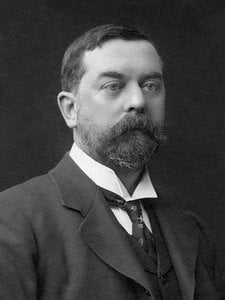
Biografia do Artista

A Life Immersed in Light and Society

John Singer Sargent, a name synonymous with the Gilded Age and its shimmering portraits of elegance, was an American artist who spent most of his life cultivating his craft within the European art world. Born in Florence, Italy, in 1856 to American expatriate parents, Fitzwilliam and Mary Newbold Sargent, his upbringing was anything but conventional. The family’s nomadic existence – constantly traversing France, Germany, Italy, and Switzerland – instilled in young John a cosmopolitan sensibility and an early exposure to the artistic treasures of Europe. Rather than formal schooling, his education unfolded within museum halls and ancient churches, fostering a visual literacy that would profoundly shape his artistic vision. This itinerant childhood, while lacking traditional structure, provided a rich tapestry of cultural experiences that fueled his developing talent. His father, a surgeon, and his mother, an amateur artist, encouraged his inclinations, recognizing early on the remarkable acuity of his observational skills. It was clear from a young age that John’s path lay not in medicine or conventional pursuits, but within the realm of art.

From Parisian Atelier to Portrait Master

In 1874, at the age of eighteen, Sargent embarked on a pivotal chapter of his artistic development by entering the Paris studio of Carolus-Duran. This mentorship proved transformative. Duran’s emphasis on *direct painting* – a technique eschewing preliminary sketches in favor of immediate application of paint to canvas – honed Sargent's already impressive technical facility and instilled within him an astonishing ability to capture likenesses with speed and precision. It was a revolutionary approach, encouraging boldness and spontaneity, and it became the hallmark of Sargent’s style. He absorbed Duran’s lessons wholeheartedly, mastering the art of capturing not just physical resemblance but also the very essence of his sitters. Simultaneously, he enrolled at the École des Beaux-Arts to study drawing from casts and life models, further refining his skills in composition and technique. However, it was the influence of Spanish masters like Diego Velázquez, encountered during a formative trip to Spain in 1879, that truly ignited Sargent’s artistic imagination. He became captivated by Velázquez’s masterful use of light, brushwork, and psychological insight – qualities he would strive to emulate throughout his career. The meticulous study of Velázquez's techniques, particularly the way he captured fleeting moments and imbued his subjects with a sense of inner life, profoundly shaped Sargent’s approach to portraiture.

Navigating Fame, Scandal, and Artistic Evolution

Sargent quickly established himself as a sought-after portraitist in Paris, attracting commissions from the city’s elite. His ability to capture not just physical likeness but also the personality and social standing of his subjects made him immensely popular among the wealthy and influential. However, his ascent was not without its challenges. The unveiling of *Madame X* (Portrait of Madame Pierre Gautreau) at the 1884 Salon ignited a scandal that threatened to derail his burgeoning career. The painting’s daring depiction of socialite Virginie Amélie Avegno Gautreau – with her pale complexion, suggestive pose, and fallen strap – was deemed provocative and scandalous by Parisian society. Though Sargent later repainted the strap, the damage was done. Disheartened by the controversy, he relocated to London in 1886, where he found a more receptive audience for his talents. In London, he continued to paint portraits of the wealthy and prominent, capturing the opulence and social dynamics of Edwardian society with unparalleled skill. Yet, Sargent’s artistic ambitions extended beyond the confines of commissioned portraiture. He yearned for greater creative freedom and increasingly devoted himself to landscape painting and plein-air studies, embracing an Impressionistic style characterized by loose brushwork, vibrant colors, and a focus on capturing fleeting moments of light and atmosphere. These landscapes reveal a different side of Sargent – one less concerned with social status and more attuned to the beauty of the natural world. His travels throughout Europe and beyond—from Venice to the Tyrol—provided endless inspiration for his evocative depictions of light, color, and form.

Influences and Artistic Kinships

  • Carolus-Duran: His teacher, who instilled in him a direct painting technique and encouraged spontaneity.
  • Diego Velázquez: Sargent deeply admired Velázquez’s mastery of light, brushwork, and psychological insight, particularly evident in his Spanish works. He studied the master's techniques with intense dedication, seeking to replicate his ability to capture both the outward appearance and inner character of his subjects.
  • Impressionism: The Impressionists' emphasis on capturing fleeting moments and atmospheric effects profoundly impacted his landscape paintings, leading to a looser, more expressive style. Sargent absorbed the principles of *plein air* painting and experimented with broken color and visible brushstrokes, reflecting the influence of artists like Monet and Renoir.
  • James Abbott McNeill Whistler: Sargent shared with Whistler an interest in aestheticism and the pursuit of “art for art’s sake,” influencing his approach to composition and color. Both artists sought to elevate painting beyond mere representation, emphasizing beauty, harmony, and emotional expression.

A Lasting Legacy

While celebrated as “the leading portrait painter of his generation,” John Singer Sargent’s artistic legacy extends far beyond his masterful depictions of society figures. His major works, such as *El Jaleo*, a dynamic portrayal of Spanish flamenco dancers, and *Carnation, Lily, Lily, Rose*, a serene depiction of two young girls in an English garden, demonstrate his versatility and technical brilliance. These paintings showcase not only his skill in capturing likenesses but also his ability to evoke atmosphere, emotion, and narrative. Later in life, he embarked on ambitious mural projects, including the monumental cycle at the Boston Public Library, showcasing his ability to translate his artistic vision onto a grand scale. His influence can be seen in the work of subsequent generations of artists who admired his technical skill, his bold brushwork, and his ability to capture both physical likeness and psychological depth. The rediscovery of his previously overlooked male nudes in the 1980s further broadened our understanding of Sargent’s artistic range and revealed a more complex and nuanced artist than previously recognized. His paintings continue to captivate audiences worldwide, offering a fascinating glimpse into a bygone era while simultaneously transcending time through their enduring beauty and technical mastery. He remains, undeniably, one of the most significant American artists of his generation, whose work continues to inspire and provoke admiration.

John Singer Sargent

John Singer Sargent

1856 - 1925 , Itália

Dados Rápidos

  • Artistic Movement Or Style: Impressionismo
  • Artists Or Movements Influenced By This Artist: ['Whistler']
  • Artists Who Influenced This Artist:
    • Carolus-Duran
    • Velázquez
  • Date Of Birth: 12 de janeiro de 1856
  • Date Of Death: 14 de abril de 1925
  • Full Name: John Singer Sargent
  • Nationality: Americano
  • Notable Artworks:
    • Madame X
    • El Jaleo
    • Carnation, Lily, Lily, Rose
  • Place Of Birth: Florença, Itália
Explore obras de arte organizadas por temas, estilos e características.