
Visualizar na paredeVisualizar na parede Ver em RAVer em RA Comprar impressão Comprar impressãoComprar pintura feita à mão Comprar pintura feita à mão CompartilharCompartilhar
DetalhesDetalhes Adicionar aos favoritos Adicionar aos favoritos Baixar imagemBaixar imagem SemelhantesSemelhantes Raio XRaio X SlideshowSlideshow

Mannikin in the Snow

A vibrant crimson figure traverses a serene snow-swept landscape in John Singer Sargent's Impressionistic masterpiece Mannikin in the Snow, an evocative 1891 oil painting inviting you to bring this winter tranquility home.

Explore a vida e obra de John Singer Sargent! Retratos icônicos, paisagens impressionistas e a elegância da Era Vitoriana do mestre americano. Descubra sua arte!

Adquira uma imagem digital de alta resolução e aprimorada, muito superior à prévia online.

Cada arquivo é meticulosamente preparado por nossos especialistas internos, utilizando ferramentas avançadas e retoques manuais de alta precisão. Garantimos que cada imagem apresente clareza excepcional, fidelidade de cores e detalhes minuciosos.

O arquivo final é entregue por e-mail em até 72 horas, otimizado para uso imediato em ambientes profissionais, editoriais e de impressão. Esta é a mesma qualidade utilizada por estúdios de design de alto nível, editoras e galerias.

Imagem Digital

Baixe um arquivo de alta resolução para exibição pessoal, impressão e projetos criativos. (Comprar impressão Comprar impressãoComprar pintura feita à mão Comprar pintura feita à mão)

Preço Total

$ 24,90

Incluído em cada compra de imagem digital

Entrega Digital Especializada e Garantida

Ao escolher o WahooArt.com, você não está apenas adquirindo uma imagem — você está recebendo uma obra de arte digital profissionalmente aprimorada, elaborada com precisão e com garantia de satisfação. Aqui está tudo o que acompanha seu pedido, automaticamente:

shipping_icon
Entrega rápida por e-mail

O seu arquivo de imagem digital em alta resolução será enviado por e-mail em até 72 horas após o pedido — pronto para uso imediato.

canvas_icon
Arquivo Digital com IA Otimizado

Sua obra de arte é otimizada profissionalmente por meio de ferramentas avançadas de IA e edição manual, garantindo o máximo de detalhes, clareza e precisão de cores.

insurance_icon
Reenvio gratuito vitalício

Apagou ou perdeu o seu ficheiro acidentalmente? Não se preocupe – nós reenviamos para si a qualquer momento, gratuitamente.

tax_icon
Sem Taxas de Importação - Sempre

Desfrute da sua obra de arte instantaneamente, sem taxas alfandegárias, impostos ou custos de entrega — downloads digitais são sempre isentos de taxas.

color_icon
Garantia de Fidelidade de Cores

Garantimos que sua imagem digital reflita as cores originais com a maior fidelidade possível, utilizando ferramentas profissionais e gerenciamento de cores.

return_icon
Garantia de Satisfação de 100 Dias

Se não estiver satisfeito com a sua imagem digital, nós a revisaremos ou reembolsaremos 100% dentro de 100 dias — sem perguntas.

guarantee_icon
Garantia de Reembolso 100%

Não está satisfeito? Receba o reembolso total em até 100 dias após o recebimento do seu arquivo digital — sem perguntas.

discount_icon
Descontos para pedidos em lote

Compre 3 imagens, economize 10% - Compre 5, economize 15% - Compre 10+, economize 20%. Ideal para projetos criativos, galerias e agências.

Informações Rápidas

  • Influences: European Impressionism
  • Artist: John Singer Sargent
  • Title: Mannikin in the Snow
  • Subject or theme: Winter Landscape
  • Notable elements or techniques: Texture & Depth
  • Artistic style: Realistic
  • Location: Metropolitan Museum of Art, New York

Quiz de Arte

Cada pergunta possui apenas uma resposta correta.

Pergunta 1:
What museum houses John Singer Sargent’s painting, Mannikin in the Snow?
Pergunta 2:
In what year was Mannikin in the Snow created?
Pergunta 3:
What is a prominent feature of the painting's composition that contributes to its serene atmosphere?
Pergunta 4:
John Singer Sargent’s artistic upbringing involved frequent visits to which cultural institutions?
Pergunta 5:
What technique did Sargent employ in Mannikin in the Snow that enhances its textural quality?

A Winter Reverie Captured in Oil

John Singer Sargent’s "Mannikin in the Snow," painted around 1891, transcends mere depiction; it embodies a profound stillness and contemplative beauty that speaks to the very essence of winter’s serene grandeur. Executed in oil on canvas, this artwork resides within the prestigious Metropolitan Museum of Art collection, cementing its place as a cornerstone of American Impressionism. Sargent's masterful handling of light and color transports viewers directly into a snow-swept landscape—a scene meticulously observed and rendered with breathtaking precision. The painting captures a solitary figure, a man dressed in striking crimson, traversing a snowdrift, accompanied by others glimpsed faintly in the background buildings. This deliberate arrangement underscores Sargent's keen understanding of visual storytelling, utilizing perspective to create depth that draws the eye upward towards distant structures while anchoring it firmly within the textured expanse of freshly fallen snow.

The scene is more than a simple landscape; it is an atmospheric study of solitude and light. Each element contributes to a palpable sense of quiet contemplation, inviting viewers to pause and absorb the tranquility of a winter day. The vibrant hue of the man's scarlet coat stands out brilliantly against the muted, cool tones of the snowy backdrop, highlighting Sargent’s ability to manipulate color to convey both emotion and atmosphere. This contrast serves as a focal point that breathes life into the frozen setting, preventing the scene from feeling stagnant and instead imbuing it with a sense of movement and vital presence amidst the frost.

Impressionistic Brilliance and Technical Mastery

Sargent’s technique exemplifies the hallmarks of Impressionism—a movement that prioritized capturing fleeting moments of sensory experience rather than striving for photographic realism. He employed loose, confident brushstrokes layered upon one another, allowing light to dance across the canvas and creating a shimmering effect that mimics the way sunlight reflects off crystalline snow. This meticulous attention to detail, particularly in capturing the subtle nuances of texture, elevates the work from a mere sketch to a profound sensory experience. The artist’s ability to render the weight of the snow and the crispness of the winter air is nothing short of extraordinary.

The historical context of this piece adds an extra layer of intrigue for the discerning collector. Painted in Fairford, Gloucestershire, in the company of his fellow expatriate Edwin Austin Abbey, the work was born from a moment of creative diversion. While Abbey sought to conjure a lifelike medieval troubadour from a mannequin, Sargent chose a more honest, observational path, recording the lifeless dummy as it truly stood before his eyes. This commitment to capturing the raw, unadorned truth of the subject—even when presented through an artificial medium—is what gives the painting its enduring, authentic charm.

A Timeless Addition to the Modern Interior

For art lovers and interior designers alike, "Mannikin in the Snow" offers a unique opportunity to introduce a sense of classical elegance and seasonal serenity into a living space. The painting’s palette of cool whites, soft grays, and sudden bursts of deep red makes it an incredibly versatile piece for high-end decor. Whether placed in a sunlit gallery or a cozy, dimly lit study, the artwork acts as a window into another era, providing a sophisticated focal point that stimulates conversation and evokes a sense of peace.

Investing in a high-quality reproduction of this masterpiece allows one to bring the luminous mastery of John Singer Sargent into the home. The piece serves not only as decoration but as an emotional anchor, offering a perennial escape into a world of quiet beauty and Impressionistic light. It is an ideal selection for those seeking to elevate their collection with a work that embodies the technical brilliance and timeless allure of the Gilded Age.

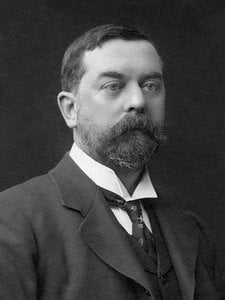
Biografia do Artista

A Life Immersed in Light and Society

John Singer Sargent, a name synonymous with the Gilded Age and its shimmering portraits of elegance, was an American artist who spent most of his life cultivating his craft within the European art world. Born in Florence, Italy, in 1856 to American expatriate parents, Fitzwilliam and Mary Newbold Sargent, his upbringing was anything but conventional. The family’s nomadic existence – constantly traversing France, Germany, Italy, and Switzerland – instilled in young John a cosmopolitan sensibility and an early exposure to the artistic treasures of Europe. Rather than formal schooling, his education unfolded within museum halls and ancient churches, fostering a visual literacy that would profoundly shape his artistic vision. This itinerant childhood, while lacking traditional structure, provided a rich tapestry of cultural experiences that fueled his developing talent. His father, a surgeon, and his mother, an amateur artist, encouraged his inclinations, recognizing early on the remarkable acuity of his observational skills. It was clear from a young age that John’s path lay not in medicine or conventional pursuits, but within the realm of art.

From Parisian Atelier to Portrait Master

In 1874, at the age of eighteen, Sargent embarked on a pivotal chapter of his artistic development by entering the Paris studio of Carolus-Duran. This mentorship proved transformative. Duran’s emphasis on *direct painting* – a technique eschewing preliminary sketches in favor of immediate application of paint to canvas – honed Sargent's already impressive technical facility and instilled within him an astonishing ability to capture likenesses with speed and precision. It was a revolutionary approach, encouraging boldness and spontaneity, and it became the hallmark of Sargent’s style. He absorbed Duran’s lessons wholeheartedly, mastering the art of capturing not just physical resemblance but also the very essence of his sitters. Simultaneously, he enrolled at the École des Beaux-Arts to study drawing from casts and life models, further refining his skills in composition and technique. However, it was the influence of Spanish masters like Diego Velázquez, encountered during a formative trip to Spain in 1879, that truly ignited Sargent’s artistic imagination. He became captivated by Velázquez’s masterful use of light, brushwork, and psychological insight – qualities he would strive to emulate throughout his career. The meticulous study of Velázquez's techniques, particularly the way he captured fleeting moments and imbued his subjects with a sense of inner life, profoundly shaped Sargent’s approach to portraiture.

Navigating Fame, Scandal, and Artistic Evolution

Sargent quickly established himself as a sought-after portraitist in Paris, attracting commissions from the city’s elite. His ability to capture not just physical likeness but also the personality and social standing of his subjects made him immensely popular among the wealthy and influential. However, his ascent was not without its challenges. The unveiling of *Madame X* (Portrait of Madame Pierre Gautreau) at the 1884 Salon ignited a scandal that threatened to derail his burgeoning career. The painting’s daring depiction of socialite Virginie Amélie Avegno Gautreau – with her pale complexion, suggestive pose, and fallen strap – was deemed provocative and scandalous by Parisian society. Though Sargent later repainted the strap, the damage was done. Disheartened by the controversy, he relocated to London in 1886, where he found a more receptive audience for his talents. In London, he continued to paint portraits of the wealthy and prominent, capturing the opulence and social dynamics of Edwardian society with unparalleled skill. Yet, Sargent’s artistic ambitions extended beyond the confines of commissioned portraiture. He yearned for greater creative freedom and increasingly devoted himself to landscape painting and plein-air studies, embracing an Impressionistic style characterized by loose brushwork, vibrant colors, and a focus on capturing fleeting moments of light and atmosphere. These landscapes reveal a different side of Sargent – one less concerned with social status and more attuned to the beauty of the natural world. His travels throughout Europe and beyond—from Venice to the Tyrol—provided endless inspiration for his evocative depictions of light, color, and form.

Influences and Artistic Kinships

  • Carolus-Duran: His teacher, who instilled in him a direct painting technique and encouraged spontaneity.
  • Diego Velázquez: Sargent deeply admired Velázquez’s mastery of light, brushwork, and psychological insight, particularly evident in his Spanish works. He studied the master's techniques with intense dedication, seeking to replicate his ability to capture both the outward appearance and inner character of his subjects.
  • Impressionism: The Impressionists' emphasis on capturing fleeting moments and atmospheric effects profoundly impacted his landscape paintings, leading to a looser, more expressive style. Sargent absorbed the principles of *plein air* painting and experimented with broken color and visible brushstrokes, reflecting the influence of artists like Monet and Renoir.
  • James Abbott McNeill Whistler: Sargent shared with Whistler an interest in aestheticism and the pursuit of “art for art’s sake,” influencing his approach to composition and color. Both artists sought to elevate painting beyond mere representation, emphasizing beauty, harmony, and emotional expression.

A Lasting Legacy

While celebrated as “the leading portrait painter of his generation,” John Singer Sargent’s artistic legacy extends far beyond his masterful depictions of society figures. His major works, such as *El Jaleo*, a dynamic portrayal of Spanish flamenco dancers, and *Carnation, Lily, Lily, Rose*, a serene depiction of two young girls in an English garden, demonstrate his versatility and technical brilliance. These paintings showcase not only his skill in capturing likenesses but also his ability to evoke atmosphere, emotion, and narrative. Later in life, he embarked on ambitious mural projects, including the monumental cycle at the Boston Public Library, showcasing his ability to translate his artistic vision onto a grand scale. His influence can be seen in the work of subsequent generations of artists who admired his technical skill, his bold brushwork, and his ability to capture both physical likeness and psychological depth. The rediscovery of his previously overlooked male nudes in the 1980s further broadened our understanding of Sargent’s artistic range and revealed a more complex and nuanced artist than previously recognized. His paintings continue to captivate audiences worldwide, offering a fascinating glimpse into a bygone era while simultaneously transcending time through their enduring beauty and technical mastery. He remains, undeniably, one of the most significant American artists of his generation, whose work continues to inspire and provoke admiration.
John Singer Sargent

John Singer Sargent

1856 - 1925 , Itália

Breve Biografia

  • Artistic Movement Or Style: Impressionismo
  • Artists Or Movements Influenced By This Artist: ['Whistler']
  • Artists Who Influenced This Artist:
    • Carolus-Duran
    • Velázquez
  • Date Of Birth: 12 de janeiro de 1856
  • Date Of Death: 14 de abril de 1925
  • Full Name: John Singer Sargent
  • Nationality: Americano
  • Notable Artworks:
    • Madame X
    • El Jaleo
    • Carnation, Lily, Lily, Rose
  • Place Of Birth: Florença, Itália