x
Visualizar na paredeVisualizar na parede Ver em RAVer em RA Comprar impressão Comprar impressãoComprar imagem Comprar imagem CompartilharCompartilhar
DetalhesDetalhes Adicionar aos favoritos Adicionar aos favoritos Baixar imagemBaixar imagem SemelhantesSemelhantes Raio XRaio X SlideshowSlideshow

Flora Priestley

Capturing the striking crimson hair and subdued elegance of a Victorian beauty, this masterful realism portrait by John Singer Sargent invites you to explore the timeless allure of his legendary Gilded Age artistry.

Explore a vida e obra de John Singer Sargent! Retratos icônicos, paisagens impressionistas e a elegância da Era Vitoriana do mestre americano. Descubra sua arte!

Reprodução em Óleo Feita à Mão

Óleo sobre tela pintado à mão no tamanho e moldura de sua escolha, feito sob encomenda pelos nossos artistas. (Comprar impressão Comprar impressãoComprar imagem Comprar imagem)

P118B $10
P118H $10
P118W $10
P438Z $10
P508JH $12
P508YH $12
P805H $10
P805Z $10
P919BZ $10
P919G $10
P919XJ $10
P959ZH $10
P968JZ $12
W106C $8
W218G $10
W218JH $8
W218Y $10
W307PJ $10
W316G $10
W316PJ $8
W316Y $10
W398PJ $8
W4111J $10
W500HY $15
W500JH $15
W692G $12
W849H $8
W940BG $15
W953PJ $8

Tamanho padrão
personalizado
CM
INCH

Escolha entre os nossos tamanhos pré-definidos que respeitam as proporções originais da obra de arte.

largura
altura

Pode inserir as suas próprias dimensões para se adequar a uma moldura ou espaço específico. Se o tamanho selecionado não corresponder às proporções da imagem original, iremos cortar a obra de arte ou estender a pintura com elementos adicionais pintados à mão. Um esboço digital será enviado para sua aprovação antes do início da produção.
Tenha em atenção que a pré-visualização no ecrã não reflete o corte ou extensão real. Apenas o esboço mostrará com precisão a composição final.
Embora tamanhos personalizados estejam disponíveis, recomendamos selecionar uma dimensão da lista predefinida para preservar as proporções originais.

Exemplos do que pode ser personalizado: Substituir o rosto pela foto do cliente; Adicionar um animal de estimação (ex: substituir gato por cão); Incluir uma mensagem oculta no fundo; Alterar a paisagem ou elementos do fundo.
Após o pedido, a equipa WahooArt.com enviará um e-mail ao cliente para solicitar instruções e fornecer uma prévia do esboço.

Entrega mundial () em 3 a 4 semanas, em vez das 5 semanas padrão. (28 Agosto). Sem comprometer a qualidade.

why_choose_icon
Envio expresso gratuito para todo o mundo
why_choose_icon
Tela de Linho de Alta Qualidade
why_choose_icon
Seguro de transporte completo
why_choose_icon
Garantia de Reembolso de Impostos Alfandegários
why_choose_icon
Garantia de Fidelidade Cromática
why_choose_icon
Política de Devolução em 60 Dias (Apenas para Defeitos)
why_choose_icon
Garantia de reembolso de 100%
why_choose_icon
Oferta de desconto por quantidade

Preço Total

$ 272

reproduction

Flora Priestley

Técnica de Reprodução

Tamanho da Reprodução

-

Preço Total

$ 272

Informações Rápidas

  • Movement: Impressionism
  • Year: 1889
  • Artistic style: Detailed realism
  • Title: Flora Priestley
  • Subject or theme: Portraiture
  • Medium: Oil on canvas
  • Notable elements or techniques: Realistic depiction

Quiz de Arte

Cada pergunta possui apenas uma resposta correta.

Pergunta 1:
What is the artist responsible for creating?
Pergunta 2:
Where can you find Flora Priestley?
Pergunta 3:
What artistic style is John Singer Sargent known for?
Pergunta 4:
What prominent feature characterizes Flora Priestley's pose?
Pergunta 5:
Approximately when was Flora Priestley painted?

A Vision of Victorian Radiance

In the vast, shimmering tapestry of the Gilded Age, few portraits capture the delicate intersection of youthful vitality and aristocratic poise as masterfully as John Singer Sargent’s Flora Priestley. Painted in 1889, this exquisite oil on canvas serves as a window into a world of refined elegance and quiet splendor. The subject, Flora Priestley, emerges from the canvas not merely as a sitter, but as an embodiment of late Victorian grace. Her striking crimson hair acts as a vibrant focal point, casting a warm, opulent glow that frames her face with an almost ethereal quality. As she rests within the richly textured confines of what appears to be a family drawing room, there is an immediate sense of intimacy, inviting the viewer to step into a moment of serene repose.

Sargent, an artist whose life was defined by the cosmopolitan light of Europe’s great capitals, brings a profound visual literacy to this work. Having absorbed the mastery of Velázquez and Rembrandt through museum wanderings rather than rigid academy walls, he possessed a unique ability to blend the precision of realism with the atmospheric soul of Impressionism. In Flora Priestley, we see this duality at its peak. The way light dances across the fabric of her attire and the subtle shadows that contour her features suggest a depth that transcends mere likeness, offering instead a psychological window into the subject's very essence.

The Artistry of Light and Texture

To behold this painting is to witness Sargent’s unparalleled command over medium and light. His technique, characterized by a sophisticated layering of thin glazes, creates a surface that feels remarkably velvety and alive. Unlike the heavy, impasto-laden strokes of some of his contemporaries, Sargent employs a smoother approach that allows color to glow from within the canvas. This meticulous method is particularly evident in the rendering of the flowers held by Flora—delicate symbols of femininity, purity, and perhaps a fleeting sense of remembrance. The interplay between the soft, organic forms of the blossoms and the structured elegance of her dress creates a rhythmic harmony that guides the eye across the composition.

For the discerning collector or interior designer, this piece offers an extraordinary versatility in decor. The palette, while anchored by the dramatic crimson of the hair and flowers, is balanced by more subdued, sophisticated tones that allow it to integrate seamlessly into both classical and contemporary settings. Whether placed as a centerpiece in a grand hall or as a soulful accent in a modern study, the painting provides a sense of historical weight and artistic prestige. It is a work that does not merely occupy space; it commands it, providing an anchor of timeless beauty and intellectual depth.

A Legacy of Elegance for the Modern Collector

Beyond its technical brilliance, Flora Priestley resonates emotionally through its portrayal of "subdued elegance." There is a quiet narrative unfolding in the stillness of her pose—a sense of a life lived amidst beauty and tradition. This emotional resonance is precisely what makes a high-quality reproduction of such a masterpiece so coveted. Owning a piece that evokes the Belle Époque allows one to surround themselves with the spirit of an era defined by luxury, artistry, and a profound appreciation for the aesthetic experience.

For those seeking to infuse their living spaces with inspiration, this portrait stands as a testament to the enduring power of fine art. It is more than a depiction of a young woman; it is an invitation to appreciate the nuances of light, the richness of color, and the eternal allure of classical beauty. A reproduction of Sargent’s work brings not just a decorative element, but a profound connection to the history of portraiture and the masterful hand of one of the greatest painters to ever grace the canvas.


Biografia do Artista

A Life Immersed in Light and Society

John Singer Sargent, a name synonymous with the Gilded Age and its shimmering portraits of elegance, was an American artist who spent most of his life cultivating his craft within the European art world. Born in Florence, Italy, in 1856 to American expatriate parents, Fitzwilliam and Mary Newbold Sargent, his upbringing was anything but conventional. The family’s nomadic existence – constantly traversing France, Germany, Italy, and Switzerland – instilled in young John a cosmopolitan sensibility and an early exposure to the artistic treasures of Europe. Rather than formal schooling, his education unfolded within museum halls and ancient churches, fostering a visual literacy that would profoundly shape his artistic vision. This itinerant childhood, while lacking traditional structure, provided a rich tapestry of cultural experiences that fueled his developing talent. His father, a surgeon, and his mother, an amateur artist, encouraged his inclinations, recognizing early on the remarkable acuity of his observational skills. It was clear from a young age that John’s path lay not in medicine or conventional pursuits, but within the realm of art.

From Parisian Atelier to Portrait Master

In 1874, at the age of eighteen, Sargent embarked on a pivotal chapter of his artistic development by entering the Paris studio of Carolus-Duran. This mentorship proved transformative. Duran’s emphasis on *direct painting* – a technique eschewing preliminary sketches in favor of immediate application of paint to canvas – honed Sargent's already impressive technical facility and instilled within him an astonishing ability to capture likenesses with speed and precision. It was a revolutionary approach, encouraging boldness and spontaneity, and it became the hallmark of Sargent’s style. He absorbed Duran’s lessons wholeheartedly, mastering the art of capturing not just physical resemblance but also the very essence of his sitters. Simultaneously, he enrolled at the École des Beaux-Arts to study drawing from casts and life models, further refining his skills in composition and technique. However, it was the influence of Spanish masters like Diego Velázquez, encountered during a formative trip to Spain in 1879, that truly ignited Sargent’s artistic imagination. He became captivated by Velázquez’s masterful use of light, brushwork, and psychological insight – qualities he would strive to emulate throughout his career. The meticulous study of Velázquez's techniques, particularly the way he captured fleeting moments and imbued his subjects with a sense of inner life, profoundly shaped Sargent’s approach to portraiture.

Navigating Fame, Scandal, and Artistic Evolution

Sargent quickly established himself as a sought-after portraitist in Paris, attracting commissions from the city’s elite. His ability to capture not just physical likeness but also the personality and social standing of his subjects made him immensely popular among the wealthy and influential. However, his ascent was not without its challenges. The unveiling of *Madame X* (Portrait of Madame Pierre Gautreau) at the 1884 Salon ignited a scandal that threatened to derail his burgeoning career. The painting’s daring depiction of socialite Virginie Amélie Avegno Gautreau – with her pale complexion, suggestive pose, and fallen strap – was deemed provocative and scandalous by Parisian society. Though Sargent later repainted the strap, the damage was done. Disheartened by the controversy, he relocated to London in 1886, where he found a more receptive audience for his talents. In London, he continued to paint portraits of the wealthy and prominent, capturing the opulence and social dynamics of Edwardian society with unparalleled skill. Yet, Sargent’s artistic ambitions extended beyond the confines of commissioned portraiture. He yearned for greater creative freedom and increasingly devoted himself to landscape painting and plein-air studies, embracing an Impressionistic style characterized by loose brushwork, vibrant colors, and a focus on capturing fleeting moments of light and atmosphere. These landscapes reveal a different side of Sargent – one less concerned with social status and more attuned to the beauty of the natural world. His travels throughout Europe and beyond—from Venice to the Tyrol—provided endless inspiration for his evocative depictions of light, color, and form.

Influences and Artistic Kinships

  • Carolus-Duran: His teacher, who instilled in him a direct painting technique and encouraged spontaneity.
  • Diego Velázquez: Sargent deeply admired Velázquez’s mastery of light, brushwork, and psychological insight, particularly evident in his Spanish works. He studied the master's techniques with intense dedication, seeking to replicate his ability to capture both the outward appearance and inner character of his subjects.
  • Impressionism: The Impressionists' emphasis on capturing fleeting moments and atmospheric effects profoundly impacted his landscape paintings, leading to a looser, more expressive style. Sargent absorbed the principles of *plein air* painting and experimented with broken color and visible brushstrokes, reflecting the influence of artists like Monet and Renoir.
  • James Abbott McNeill Whistler: Sargent shared with Whistler an interest in aestheticism and the pursuit of “art for art’s sake,” influencing his approach to composition and color. Both artists sought to elevate painting beyond mere representation, emphasizing beauty, harmony, and emotional expression.

A Lasting Legacy

While celebrated as “the leading portrait painter of his generation,” John Singer Sargent’s artistic legacy extends far beyond his masterful depictions of society figures. His major works, such as *El Jaleo*, a dynamic portrayal of Spanish flamenco dancers, and *Carnation, Lily, Lily, Rose*, a serene depiction of two young girls in an English garden, demonstrate his versatility and technical brilliance. These paintings showcase not only his skill in capturing likenesses but also his ability to evoke atmosphere, emotion, and narrative. Later in life, he embarked on ambitious mural projects, including the monumental cycle at the Boston Public Library, showcasing his ability to translate his artistic vision onto a grand scale. His influence can be seen in the work of subsequent generations of artists who admired his technical skill, his bold brushwork, and his ability to capture both physical likeness and psychological depth. The rediscovery of his previously overlooked male nudes in the 1980s further broadened our understanding of Sargent’s artistic range and revealed a more complex and nuanced artist than previously recognized. His paintings continue to captivate audiences worldwide, offering a fascinating glimpse into a bygone era while simultaneously transcending time through their enduring beauty and technical mastery. He remains, undeniably, one of the most significant American artists of his generation, whose work continues to inspire and provoke admiration.

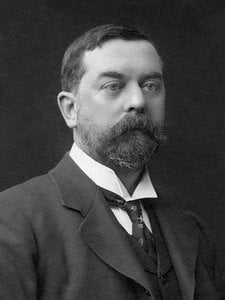
John Singer Sargent

John Singer Sargent

1856 - 1925 , Itália

Dados Rápidos

  • Artistic Movement Or Style: Impressionismo
  • Artists Or Movements Influenced By This Artist: ['Whistler']
  • Artists Who Influenced This Artist:
    • Carolus-Duran
    • Velázquez
  • Date Of Birth: 12 de janeiro de 1856
  • Date Of Death: 14 de abril de 1925
  • Full Name: John Singer Sargent
  • Nationality: Americano
  • Notable Artworks:
    • Madame X
    • El Jaleo
    • Carnation, Lily, Lily, Rose
  • Place Of Birth: Florença, Itália
Explore obras de arte organizadas por temas, estilos e características.