x
Visualizar na paredeVisualizar na parede Ver em RAVer em RA Comprar pintura feita à mão Comprar pintura feita à mãoComprar imagem Comprar imagem CompartilharCompartilhar
DetalhesDetalhes Adicionar aos favoritos Adicionar aos favoritos Baixar imagemBaixar imagem SemelhantesSemelhantes Raio XRaio X SlideshowSlideshow

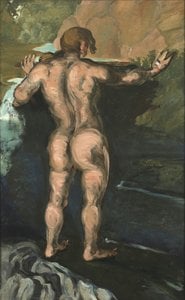
The Crucifixion

Experience John Kyffin Williams’ powerful 'Crucifixion' (1960). This evocative oil painting captures intense emotion through fragmented forms & dark tones, reflecting Welsh landscape art.

Sir John Kyffin Williams (1918-2006) foi um pintor impressionista da Guiné, conhecido por suas paisagens evocativas do País de Gales e Patagônia. Sua técnica marcante com paleta de cores vibrantes e impasto o consagrou como um dos maiores artistas galeses.

Giclée / Impressão de Arte

Impressão giclée ou em tela de qualidade de museu, com produção rápida e opções flexíveis de acabamento. (Comprar pintura feita à mão Comprar pintura feita à mãoComprar imagem Comprar imagem)

P118B $10
P118H $10
P118W $10
P438Z $10
P508JH $12
P508YH $12
P805H $10
P805Z $10
P919BZ $10
P919G $10
P919XJ $10
P959ZH $10
P968JZ $12
W106C $8
W218G $10
W218JH $8
W218Y $10
W307PJ $10
W316G $10
W316PJ $8
W316Y $10
W398PJ $8
W4111J $10
W500HY $15
W500JH $15
W692G $12
W849H $8
W940BG $15
W953PJ $8

Tamanho padrão
personalizado
CM
INCH

Escolha entre os nossos tamanhos pré-definidos que respeitam as proporções originais da obra de arte.

largura
altura

Você pode inserir suas próprias dimensões para se ajustar a uma moldura ou espaço específico. Se o tamanho selecionado não corresponder às proporções da imagem original, iremos recortar a obra de arte ou estender a imagem com uma borda espelhada ou preenchimento sólido. Um mockup digital será enviado para sua aprovação antes do início da produção.
Por favor, observe que a visualização na tela não reflete o recorte ou a extensão real. Apenas o mockup mostrará com precisão a composição final.
Embora tamanhos personalizados estejam disponíveis, recomendamos selecionar uma dimensão da lista predefinida para preservar as proporções originais.

Entrega mundial () em 2 semanas, em vez das 4/5 semanas padrão. (2 Setembro)

why_choose_icon
Envio expresso gratuito para todo o mundo
why_choose_icon
Tela de Linho de Alta Qualidade
why_choose_icon
Seguro de transporte completo
why_choose_icon
Garantia de Reembolso de Impostos Alfandegários
why_choose_icon
Garantia de Fidelidade Cromática
why_choose_icon
Política de Devolução em 60 Dias (Apenas para Defeitos)
why_choose_icon
Garantia de reembolso de 100%
why_choose_icon
Oferta de desconto por quantidade

Preço Total

$ 68

reproduction

The Crucifixion

Giclée / Impressão de Arte

Tamanho da Reprodução

-

Preço Total

$ 68

Informações Rápidas

  • Artistic style: Abstract Expressionism
  • Subject or theme: Religious suffering
  • Location: Oriel Plas Glyn y Weddw
  • Influences: Waterhouse
  • Title: The Crucifixion
  • Movement: Welsh Landscape
  • Notable elements: Impasto technique

Quiz de Arte

Cada pergunta possui apenas uma resposta correta.

Pergunta 1:
What is the primary subject depicted in John Kyffin Williams’ ‘The Crucifixion’?
Pergunta 2:
In what year was ‘The Crucifixion’ painted?
Pergunta 3:
What artistic movement is most closely associated with John Kyffin Williams’ style, as evidenced by the use of thick impasto?
Pergunta 4:
Where is ‘The Crucifixion’ currently housed?
Pergunta 5:
What is a key characteristic of Kyffin Williams’ use of color in this painting?

A Vision of Suffering and Serenity: Kyffin Williams’ “The Crucifixion”

Sir John “Kyffin” Williams, a name inextricably linked with the soul of Wales, wasn't merely a painter; he was a translator of landscapes, emotions, and the very spirit of his homeland. Born in Llangefni, Anglesey, in 1918, his life unfolded against the backdrop of a nation grappling with identity and heritage – a tension that profoundly shaped his artistic vision. While often categorized as a landscape artist, Williams’ oeuvre reveals a deeply personal engagement with themes of faith, mortality, and the enduring beauty found within hardship. “The Crucifixion,” painted in 1960, exemplifies this complex interplay, offering not a literal depiction of the biblical event but rather an intensely felt meditation on suffering, sacrifice, and ultimately, a quiet sense of serenity.

A Fragmented Landscape, A Distorted Figure

The painting immediately commands attention with its unconventional composition. It’s not a grand, theatrical scene; instead, it presents a fragmented landscape dominated by a dark, brooding sky – a palpable representation of the emotional weight of the subject matter. The central figure of Christ on the cross is rendered in an almost abstracted manner, his form partially obscured by the surrounding elements. Williams employs a bold, impasto technique, layering thick strokes of oil paint to create a textured surface that seems to vibrate with energy. This physicality mirrors the intensity of the scene, conveying both the violence and the profound sorrow associated with the crucifixion. The use of muted tones – deep blues, browns, and greys – contributes to the painting’s somber mood, while subtle hints of light suggest a glimmer of hope amidst the darkness.

Technique and Influences: Bridging Abstraction and Tradition

Williams' distinctive style evolved over his long career, drawing inspiration from both traditional landscape painting and emerging abstract expressionism. He was deeply influenced by artists like Piero della Francesca, whose use of light and shadow to create a sense of depth and drama is evident in “The Crucifixion.” However, Williams departs significantly from the Renaissance master’s idealized forms, opting for a more fragmented and emotionally charged approach. The influence of abstract expressionism can be seen in the painting's loose brushwork and emphasis on conveying feeling rather than precise representation. He was also heavily influenced by his time spent in Patagonia, where he painted dramatic landscapes under the intense light of the Southern Hemisphere, which informed his use of color and texture.

Symbolism and Spiritual Depth

Beyond its formal qualities, “The Crucifixion” is rich in symbolic meaning. The fragmented landscape can be interpreted as a reflection of Christ’s brokenness and suffering, while the dark sky represents the overwhelming weight of sin and death. Yet, despite the bleakness of the scene, there's an underlying sense of peace and acceptance. Some art historians suggest that Williams was exploring themes of redemption and forgiveness through this work. The painting isn’t about glorifying violence; it’s about confronting the uncomfortable realities of human existence and finding solace in faith. The absence of explicit religious iconography – no halo, no crown of thorns – invites viewers to engage with the painting on a deeply personal level, prompting contemplation about the nature of suffering, sacrifice, and the possibility of transcendence.

A Legacy of Welsh Art: Kyffin Williams’ Enduring Impact

Sir John Kyffin Williams remains one of Wales' most celebrated artists, his work profoundly shaping the landscape of modern British art. His ability to capture the essence of the Welsh countryside while simultaneously exploring complex emotional and spiritual themes is a testament to his artistic genius. “The Crucifixion” stands as a powerful example of this talent, offering viewers a glimpse into the soul of a man deeply connected to his land and his faith. Today, his paintings are exhibited in galleries across Wales and beyond, ensuring that his legacy continues to inspire and move audiences for generations to come. Reproductions of this evocative piece offer a tangible connection to Williams’ profound vision, allowing others to experience the quiet power of his artistic expression.

Biografia do Artista

A Voz Definidora da Paisagem Galesa

Sir John “Kyffin” Williams, um nome sinônimo do próprio espírito de Gales, emerge como uma figura monumental na arte britânica do século XX. Mais do que apenas um pintor, ele foi um embaixador cultural, um contador de histórias que traduziu a beleza agreste e a profundidade emocional de sua terra natal para as telas com uma habilidade incomparável. Nascido em Llangefni, Anglesey, em 1918, a jornada de vida de Williams era tão texturizada e envolvente quanto as superfícies impasto que se tornaram sua marca registrada. Sua conexão com Gales não era meramente geográfica; estava tecida no próprio tecido de seu ser, uma herança tanto amada quanto complicada por uma mãe que aparentemente se distanciava da língua e da cultura galesas. Essa tensão inicial precoce pode ter alimentado uma dedicação contínua para capturar e celebrar a terra que ela sutilmente desencorajava-o a abraçar.

Do Serviço Militar à Descoberta Artística

O caminho de Williams para se tornar o principal artista do País de Gales não foi direto. Educado no Moreton Hall School e em Shrewsbury, sua vida tomou um rumo inesperado com uma febre de poliomielite que levou a uma epilepsia. Ironia do destino, esse desafio à saúde provou ser fundamental. Aconselhado por médicos a pintar como terapia, ele descobriu uma conexão profunda consigo mesmo – um impulso criativo aceso pela ressonância emocional encontrada nas obras de Piero della Francesca. Essa descoberta desencadeou uma devoção para toda a vida à expressão artística. Um breve período no 6º Batalhão do Royal Welch Fusiliers foi interrompido devido à sua condição médica, mas não foi um desvio; mais bem, libertou-o para se inscrever na Slade School of Fine Art em Londres durante sua mudança devido à guerra para Oxford. Lá, ele aprimorou suas habilidades e ganhou o prestigioso Prêmio de Retrato da Slade, lançando os alicerces para uma carreira notável.

Uma Vida Dedicada ao Ensino e à Exploração

Por muitos anos, Williams equilibrou seus esforços artísticos com uma dedicação ao ensino, atuando como mestre de arte sênior na Highgate School em Londres de 1944 até 1973. Ele nutria gerações de jovens artistas, entre eles Sir Martin Gilbert, Anthony Green, Patrick Procktor e John Tavener e John Rutter – um testemunho de sua influência e orientação. No entanto, uma bolsa Winston Churchill em 1968 alterou dramaticamente seu curso artístico. Essa oportunidade permitiu que ele viajasse para Y Wladfa, a comunidade galesa no Patagônia, uma experiência que impactou profundamente sua paleta e temas. As vastas paisagens do Patagônia, tão diferentes mas ecoando o espírito de Gales, infundiram seu trabalho com uma nova vitalidade e intensidade emocional. Ele documentou essa jornada não apenas por meio de pinturas, mas também em seu relato envolvente, “Across the Straits”.

Técnica, Temas e Legado Duradouro

Kyffin Williams desenvolveu uma técnica distinta caracterizada por tinta a óleo espessa aplicada com um palete knife – um método que criou superfícies texturizadas e efeitos impasto ousados. Isso não era apenas uma escolha estilística; era uma maneira de transmitir a rudeza da paisagem galesa, o peso de sua história e a ressonância emocional de suas paisagens. Seus temas eram amplos, abrangendo representações evocativas do País de Gales, cenas impressionantes do Patagônia e estudos atmosféricos de Veneza. Mas foi sua representação do País de Gales – suas fazendas, montanhas e pessoas – que o definiu verdadeiramente. Ele capturou não apenas o que via, mas *como* era sentir-se galesa, infundindo suas pinturas com um senso de lugar e pertencimento. Ao longo de sua carreira, Williams recebeu inúmeros prêmios, incluindo um OBE em 1982 e um KBE em 1999 por seus serviços à arte no País de Gales. A criação do Prêmio Kyffin Williams de Desenho em 2009 consolidou ainda mais seu legado ao apoiar talentos emergentes. Hoje, Oriel Ynys Môn em Anglesey abriga uma exposição permanente dedicada a seu trabalho, garantindo que gerações futuras possam experimentar o poder e a beleza de sua visão. Sir John Kyffin Williams não foi apenas um pintor; ele foi o poeta visual do País de Gales, um mestre que capturou a alma de uma nação com cada pincelada. Suas pinturas continuam a inspirar admiração e apreciação pela duradoura essência da paisagem galesa e de seu povo – um legado que certamente perdurará por séculos.

Informações Adicionais

  • Artistic Movement: Landscape Painting
  • Influenced by: Piero della Francesca
  • Born: 9 May 1918, Llangefni, Anglesey
  • Died: 1 September 2006
  • Notable Works: Storm Approaching, View from Pwllfanogl, Girl Guide 1

Quizzes

  • Question 1: Where was Kyffin Williams born?
    • A) London, England
    • B) Llangefni, United Kingdom
    • C) Cardiff, Wales
  • Question 2: What medical condition did Kyffin Williams develop that he later considered a positive influence on his art?
    • A) Polio
    • B) Epilepsy
    • C) Arthritis
  • Question 3: To which location did Kyffin Williams travel as part of the Winston Churchill Fellowship?
    • A) Venice, Italy
    • B) Patagonia
    • C) Brittany, France
  • Question 4: What was Kyffin Williams's signature painting technique known for?
    • A) Watercolor washes
    • B) Pointillism
    • C) Thick impasto with a palette knife
  • Question 5: What was one of Kyffin Williams’s professions before becoming a full-time artist?
    • A) Architect
    • B) Teacher
    • C) Musician
Kyffin Williams

Kyffin Williams

1918 - 2006 , Reino Unido

Dados Rápidos

  • Artistic Movement Or Style: Pintura de paisagem
  • Artists Or Movements Influenced By This Artist: ['Artistas emergentes da Galé']
  • Artists Who Influenced This Artist: ['Piero della Francesca']
  • Date Of Birth: 9 de maio de 1918
  • Date Of Death: 1 de setembro de 2006
  • Full Name: John Kyffin Williams
  • Nationality: Galês
  • Notable Artworks:
    • Storm Approaching
    • View from Pwllfanogl
    • Girl Guide 1
  • Place Of Birth: Llangefni, Reino Unido
Explore obras de arte organizadas por temas, estilos e características.