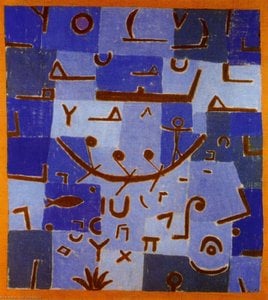
A obra de arte exibida nesta página é protegida por leis de direitos autorais, o que significa que não podemos criar ou vender legalmente uma reprodução idêntica. Esta proteção é aplicada por meio de acordos internacionais, tais como a Convenção de Berna e pelas leis nacionais, incluindo as estabelecidas por Lei de Direitos Autorais dos EUA - Título 17.
Este método cumpre plenamente as regulamentações de direitos autorais, pois não envolve a cópia ou duplicação da obra protegida. Em vez disso, trata-se de uma reinterpretação criativa — uma nova pintura que é influenciada pela original, mas não idêntica a ela.
Impressão giclée ou em tela de qualidade de museu, com produção rápida e opções flexíveis de acabamento. ( Comprar pintura feita à mão Alternar para Imagem Digital)





























Escolha entre os nossos tamanhos pré-definidos que respeitam as proporções originais da obra de arte.

Insira a largura e a altura desejadas para se ajustarem à sua moldura ou parede. Uma impressão pode ser apenas cortada, nunca ampliada além da imagem original; portanto, um tamanho com proporções diferentes resultará na perda de parte da imagem. Enviamos uma maquete digital para sua aprovação antes de realizarmos a impressão. A imagem exibida nesta página não mostra o corte real — apenas a maquete o faz.
Entrega mundial () em 2 semanas, em vez das 4/5 semanas padrão. (10 Novembro)
Mujer y pájaro 1
Tamanho da Reprodução
Joan Miró's "Mujer y Pájaro 1" is more than just a depiction of a woman and a bird; it’s an immersion into the vibrant, dreamlike world of one of the 20th century’s most influential artists. Painted in Barcelona during his prolific career – roughly between 1930-1940 - this artwork embodies Miró's signature style: a captivating blend of abstraction and recognizable imagery, rooted deeply in Catalan folklore and personal symbolism. The painting immediately draws the eye with its bold color palette—a joyous explosion of reds, blues, yellows, and whites – colors that evoke both the warmth of the Mediterranean sun and the cool depths of the subconscious. The woman, rendered with simplified forms and a sense of serene contemplation, appears to be engaged in an intimate exchange with the bird perched delicately on her shoulder. This interaction isn’t literal; it's a projection of emotion, a visual representation of the artist’s fascination with the connection between humanity and nature.
Miró’s technique in “Mujer y Pájaro 1” is characterized by its layered approach. He began with an underpainting, often using tempera or oil, which was then built upon with thin washes of color applied through a process he termed ‘grattage’. This involved scraping away layers of paint to reveal the underlying tones and create textured surfaces – a technique that adds significant depth and dynamism to the composition. The use of collage elements, incorporating fragments of paper and other materials, further enhances this textural richness. The artist’s meticulous attention to detail is evident in the precise placement of each element, contributing to the overall sense of balance and harmony. He employed a palette knife extensively, creating bold strokes and expressive marks that contribute significantly to the painting's energetic feel.
The symbolism within “Mujer y Pájaro 1” is rich and layered, deeply rooted in Catalan tradition. The bird, a frequent motif in Miró’s work, represents freedom, spirituality, and the connection to the natural world. Its placement on the woman's shoulder suggests protection and nurturing. The woman herself embodies fertility and grace, echoing ancient matriarchal figures within Catalan culture. Furthermore, the painting reflects the broader artistic context of the time – the rise of Surrealism, which embraced the power of dreams and the subconscious mind. Miró’s work aligns with this movement while retaining his unique, deeply personal vision. The influence of Antoni Gaudí's organic architectural forms is subtly present in the flowing lines and biomorphic shapes that characterize the entire composition.
"Mujer y Pájaro 1" possesses a profound emotional impact, inviting viewers into a realm of quiet contemplation. The painting’s vibrant colors and dynamic brushwork evoke a sense of joy, wonder, and perhaps even melancholy. It's a piece that speaks to our innate desire for connection – with nature, with ourselves, and with the mysteries of existence. This artwork is not merely a beautiful image; it’s an invitation to engage in a dialogue with the artist’s soul, a testament to Miró’s ability to translate his innermost thoughts and feelings into a visual language that continues to resonate with audiences today.
"Mujer y pájaro 1" está disponível como uma reprodução a óleo pintada à mão sobre tela de linho. O pedido pode ser feito em sua página de Reprodução Pintada à Mão, com escolha de tamanhos.
"Mujer y pájaro 1", de Joan Miró transmite um tom emocional Romantic.
O espaço recomendado para "Mujer y pájaro 1", de Joan Miró é uma Living Room. A sugestão pode, naturalmente, ser adaptada ao seu interior.

Barcelona, 20 de abril de 1893. Joan Miró i Ferrà entra em um mundo de precisão e engrenagens, nascido no seio de uma família de relojoeiros. Este ambiente primordial oferece um pano de fundo de artesanato meticuloso que persiste através de sua evolução como pintor, escultor e ceramista. Ele atravessa as décadas não seguindo um caminho preestabelecido, mas alterando constantemente o seu foco, tornando-se, eventualmente, uma figura central no desenvolvimento do Surrealismo e da Arte Abstrata.
Sua produção criativa resiste a qualquer categorização fácil. Enquanto muitos tentam prendê-lo a um único movimento, Miró permanece ferozmente independente, expressando frequentemente o desejo de subverter as hierarquias estéticas estabelecidas. Ele trabalha com uma energia inquieta, experimentando diversos meios para capturar o subconsciente. Sua prática é uma tensão constante entre o orgânico e o geométrico, o onírico e o tangível. No momento de seu falecimento, em 25 de dezembro de 1983, ele deixa para trás uma linguagem visual que desafia a própria definição de expressão artística.
Barcelona, 1893. Os alicerces da linguagem visual de Joan Miró começam a ser lançados na capital catalã. Seus primeiros anos são marcados por uma existência dual: aos quatorze anos, ele ingressa na escola de negócios, um caminho pragmático que corre em paralelo aos seus impulsos criativos emergentes. Ele não escolhe entre o comércio e a arte; ele persegue ambos. Enquanto estuda administração, matricula-se simultaneamente em aulas de arte na Escuela Superior de Artes Industriales y Bellas Artes.
O ímpeto cresce. Por volta de 1911, Miró já começa a atrair os olhares do público, exibindo sua primeira pintura na sexta Exposición Internacional de Arte em Barcelona. Essa exposição precoce marca sua transição da sala de aula para a esfera profissional. Sua formação formal aprofunda-se entre 1912 e 1915, enquanto estuda sob a orientação de Francesc Galí na Escola d’Art. Esses anos de instrução rigorosa fornecem o suporte técnico necessário para as rupturas radicais que viriam a seguir.
Paris, 1920. A cidade o seduz. Joan Miró chega à capital francesa, um espaço onde a tensão entre as correntes do modernismo e a sua própria identidade catalã começa a pulsar em seu cerne criativo. Ele percorre estas ruas, encontrando a presença de artistas como Pablo Picasso. Este é um período de intensa fricção e experimentação. Ele não está apenas absorvendo estilos; ele está navegando no espaço entre a vanguarda e as raízes da sua própria paisagem.
O clima político se transforma. O estopim da Guerra Civil Espanhola força uma mudança em sua geografia. Ele se vê vivendo em um exílio involuntário na França até meados de 1940. Este período de deslocamento marca um afastamento de suas explorações anteriores, mais estabelecidas. Entre 1937 e o início de 1938, sua obra passa por uma transformação súbita e profunda. Ele produz duas pinturas que são estilisticamente únicas, rompendo com seus padrões estabelecidos para criar algo inteiramente diferente de sua produção anterior.
Joan Miró rejeita a segurança dos métodos estabelecidos. Ele encara a pintura convencional como uma ferramenta da sociedade burguesa, uma abordagem que busca desmantelar através de uma prática inquieta e iconoclasta. Sua obra frequentemente desafia classificações fáceis, sendo muitas vezes interpretada como surrealista, mas é impulsionada por um estilo profundamente pessoal que resiste a qualquer "ismo" isolado. Ele transita entre diferentes suportes com uma energia febril, experimentando com a pintura, o pastel, a gravura, a escultura, a cerâmica, a colagem, o muralismo e a tapeçaria. Essa versatilidade permite que ele escape das amarras da representação tradicional.
Suas pinturas biomórficas emergem através de formas brutas e objetos que permanecem apenas marginalmente reconhecíveis. Há uma tensão intrínseca nessas formas, uma sensação do subconsciente renderizada através de um idioma pictórico único. Ele utiliza o acrílico para construir superfícies luminosas e texturizadas que conferem às suas composições uma presença física palpável. As formas não apenas repousam sobre a tela; elas existem em um estado de fluxo, aparecendo frequentemente como glifos ou símbolos que estreitam a lacuna entre o visível e o imaginado.
A transição para uma linguagem pessoal e simbólica encontra o seu alicerce em A Quinta. Esta obra marca um ponto de ruptura com a sua formação inicial, atuando como a pedra angular da sua obra ao ancorar a sua abstração em constante evolução na realidade da paisagem catalã. Por volta de 1924, esta ligação à terra intensificou-se em O Campo Arado, onde as fronteiras entre o mundo físico e o subconsciente começam a desvanecer-se. A imagética afasta-se da representação tradicional em direção a um vocabulário privado e codificado.
Em 1925, surge O Nascimento do Mundo, sinalizando uma incursão num espaço mais fluido e primordial. Aqui, a tela torna-se um local de criação espontânea, onde as formas parecem coalescer a partir do nada. Esta experimentação com as origens da forma continua ao longo dos seus anos tardios. Em 1967, A asa da cotovia... demonstra um domínio contínuo da sua linguagem visual única, mantendo um sentido de movimento e sugestão poética mesmo com a maturação do seu estilo.
A sua presença pública também se manifestou em obras monumentais de grande escala. Dona i Ocell ergue-se como um símbolo significativo da libertação catalã, utilizando o mosaico e contornos irregulares para reivindicar o seu espaço no ambiente urbano. Esta obra faz a ponte entre as suas pinturas íntimas e oníricas e a escala pública e arquitetónica da sua visão tardia.
O falecimento de Miró aos 90 anos marcou o fim de uma era; ele era amplamente considerado a última das estrelas do modernismo. Sua abordagem inquieta e iconoclasta em relação à tela fez muito mais do que apenas desafiar as hierarquias estéticas. Ao despojar as formas de sua essência, sua obra pavimentou o caminho para o expressionismo abstrato. Seus personages únicos — aquelas figuras simbólicas e idiossincráticas — deixaram uma marca indelével na trajetória da arte moderna, influenciando artistas posteriores como Robert Motherwell e Louise Bourgeois.
Seu compromisso com o futuro da arte tomou forma física através das instituições que ele estabeleceu para fomentar a experimentação. Em 1975, fundou a Fundació Joan Miró em Barcelona. Seguiu-se a criação da Fundació Pilar i Joan Miró em Palma de Mallorca, em 1981. Estes espaços garantem que sua influência permaneça ativa, transcendendo a exibição estática de objetos para servir como centros de exploração contemporânea.
O encontro mais profundo com a sua produção criativa acontece na colina de Montjuïc, em Barcelona, Espanha. É ali que a Fundació Joan Miró preserva um vasto acervo de mais de 10.000 obras de arte. O ambiente museológico, concebido por Josep Lluís Sert, permite que o espectador percorra terraços e pátios que espelham a própria abordagem orgânica do artista em relação ao espaço, consolidando-se como o principal local para o estudo da evolução da sua linguagem visual.
Para além de Espanha, a sua presença é sentida nos grandes centros institucionais do mundo da arte. Em Nova Iorque, o Museum of Modern Art detém várias das suas obras, enquanto o Metropolitan Museum of Art também mantém peças na sua coleção permanente. Estas coleções oferecem uma janela para compreender como a sua forma específica de abstração e simbolismo se integrou na narrativa mais ampla do modernismo. Em Paris, o Centre Pompidou oferece outro local essencial para observar a sua influência na vanguarda europeia.

1893 - 1983 , Espanha

Elevate your design projects with WahooArt's premium canvas prints and hand-painted reproductions. From Giclée excellence to bespoke oil commissions, we provide professional decorators with museum-quality, affordable art solutions delivered worldwide with a 100% satisfaction guarantee.

Descubra a excelência dos posters premium da WahooArt.com. Impressões Giclée de nível museológico com cores vibrantes e durabilidade arquivística, criadas para colecionadores que buscam sofisticação e fidelidade absoluta à obra original. Qualidade incomparável para sua coleção.
 Visualizar na parede
 Compartilhar
 Compartilhar
 Detalhes
 Guia
Guia

 Baixar imagem
 Semelhantes
 Raio X
 Ver diaporama
 Perguntas e Respostas
 Estatísticas

 Ler mais









 A opção de vidro está disponível apenas para tamanhos inferiores a 110 cm