Venda sua arte
x
Visualizar na paredeVisualizar na parede Visualizar em RAVisualizar em RA Encomendar reprodução pintada à mão Encomendar reprodução pintada à mãoAlternar para Imagem Alternar para Imagem CompartilharCompartilhar
DetalhesDetalhes Adicionar aos favoritos Adicionar aos favoritos Baixar imagemBaixar imagem SemelhantesSemelhantes Raio XRaio X Apresentação de slidesApresentação de slides

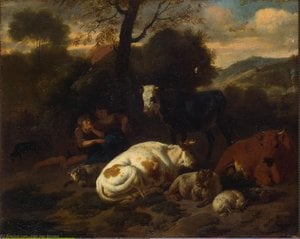
Boar Hunt

Witness the dramatic 'Boar Hunt' by Jan Weenix! This Baroque masterpiece captures a thrilling hunt scene with detailed animal figures and masterful lighting, showcasing Dutch realism at its finest.

Jan Weenix (1641-1719): Mestre do Barroco holandês, renomado por naturezas-mortas de caça ricamente detalhadas, pinturas de caça e paisagens. Admirado pelo realismo e cores vibrantes.

Giclê / Impressão de Arte

Impressão giclée ou em tela de qualidade de museu, com produção rápida e opções flexíveis de acabamento. (Encomendar reprodução pintada à mão Encomendar reprodução pintada à mãoAlternar para Imagem Alternar para Imagem)

P118B $10
P118H $10
P118W $10
P438Z $10
P508JH $12
P508YH $12
P805H $10
P805Z $10
P919BZ $10
P919G $10
P919XJ $10
P959ZH $10
P968JZ $12
W106C $8
W218G $10
W218JH $8
W218Y $10
W307PJ $10
W316G $10
W316PJ $8
W316Y $10
W398PJ $8
W4111J $10
W500HY $15
W500JH $15
W692G $12
W849H $8
W940BG $15
W953PJ $8

Standard
custom
CM
INCH

Escolha entre os nossos tamanhos pré-definidos que respeitam as proporções originais da obra de arte.

largura
altura

Você pode inserir suas próprias dimensões para se ajustar a uma moldura ou espaço específico. Se o tamanho selecionado não corresponder às proporções da imagem original, iremos recortar a obra de arte ou estender a imagem com uma borda espelhada ou preenchimento sólido. Um mockup digital será enviado para sua aprovação antes do início da produção.
Por favor, observe que a visualização na tela não reflete o recorte ou a extensão real. Apenas o mockup mostrará com precisão a composição final.
Embora tamanhos personalizados estejam disponíveis, recomendamos selecionar uma dimensão da lista predefinida para preservar as proporções originais.

Entrega mundial () em 2 semanas, em vez das 4/5 semanas padrão. (5 Agosto)

why_choose_icon
Envio Expresso Gratuito para todo o Mundo
why_choose_icon
Tela de Linho de Alta Qualidade
why_choose_icon
Seguro de transporte completo
why_choose_icon
Garantia de Reembolso de Impostos Alfandegários
why_choose_icon
Garantia de Fidelidade Cromática
why_choose_icon
Política de Devolução de 60 Dias (Apenas para Defeitos)
why_choose_icon
Garantia de reembolso de 100%
why_choose_icon
Oferta de desconto por quantidade

Preço Total

$ 68

reproduction

Boar Hunt

Giclê / Impressão de Arte

Tamanho da Reprodução

-

Preço Total

$ 68

Informações Rápidas

  • Medium: Oil on panel
  • Subject or theme: Hunting boar
  • Movement: Baroque
  • Influences: Dutch Masters
  • Title: Boar Hunt
  • Artist: Jan Weenix
  • Year: 1703

Quiz de Arte

Cada pergunta possui apenas uma resposta correta.

Pergunta 1:
What is the primary subject depicted in Jan Weenix’s ‘Boar Hunt’?
Pergunta 2:
The painting ‘Boar Hunt’ is primarily associated with which artistic movement?
Pergunta 3:
According to the description, what year was ‘Boar Hunt’ painted?
Pergunta 4:
The lighting and detailed rendering in ‘Boar Hunt’ are characteristic of which artistic style?
Pergunta 5:
What does the presence of a museum setting suggest about the painting’s historical context?

Descrição do Item Colecionável

A Hunt Frozen in Time: Jan Weenix’s “Boar Hunt”

Jan Weenix's "Boar Hunt," painted around 1703, isn’t merely a depiction of a hunt; it’s a meticulously crafted tableau of primal instinct, stoic heroism, and the fleeting beauty of a dramatic moment. This remarkable work, housed within the walls of a museum setting – subtly suggested by the diffused lighting and reflective glass – transports us to a world where man and beast engage in a timeless dance of pursuit and consequence. Weenix, a master of Dutch Baroque realism, elevates the commonplace subject of hunting into an exercise in profound observation and emotional resonance.

The scene unfolds with startling clarity. A magnificent boar, sprawled on its back in a posture of defeated grandeur, dominates the right side of the composition. Its thick hide, rendered with astonishing detail – each bristling hair meticulously captured – speaks to both its formidable power and its imminent demise. Beside it lies a smaller animal, likely a hare or rabbit, adding a layer of poignant vulnerability to the tableau. To the left, a hunting dog, a breed known for its keen tracking abilities, stands poised, either actively pursuing or having just completed its task. The dog’s posture is one of focused intensity, mirroring the boar's own struggle. The background landscape—rolling hills and scattered trees—provides a sense of depth and reinforces the feeling that this event unfolds within a vast, untamed wilderness.

The Language of Baroque Realism

Weenix’s mastery lies in his ability to fuse meticulous realism with an underlying sense of drama. He employs a technique deeply rooted in the Dutch Golden Age, characterized by its careful observation of light and shadow – *chiaroscuro*—to sculpt form and create a palpable atmosphere. Notice how the light catches on the boar's hide, highlighting its texture and musculature, while simultaneously casting deep shadows that emphasize its vulnerability. The artist’s use of color is restrained yet effective; earthy tones dominate, punctuated by the rich browns and reds of the animal’s fur and the subtle greens of the landscape. This palette contributes to a sense of groundedness and authenticity.

The composition itself is carefully balanced, drawing the eye across the scene with a deliberate rhythm. The placement of the animals—the dominant boar on one side, the pursuing dog on the other—creates a dynamic tension that mirrors the hunt’s inherent drama. Furthermore, Weenix's attention to detail extends beyond mere representation; he captures not just the physical appearance of the animals but also their expressions – the boar’s defiant stance, the dog’s focused gaze – imbuing them with a sense of life and personality.

A Symbolism of Mortality and Triumph

The “Boar Hunt” is rich in symbolic meaning. The hunt itself represents the human desire for mastery over nature, a theme that resonated deeply within the context of 17th-century Europe. However, Weenix doesn’t glorify this pursuit; instead, he presents it with a sobering awareness of mortality and consequence. The fallen boar, lying vulnerable on its back, serves as a potent reminder of the inevitability of death. The dog's role highlights the relationship between hunter and prey, emphasizing the cycle of life and death that governs the natural world.

Moreover, the scene can be interpreted as an allegory for human ambition and the pursuit of glory. The hunters, driven by a desire to prove their skill and courage, engage in a dangerous undertaking with uncertain outcomes. The success of the hunt—represented by the fallen boar—is ultimately tempered by the knowledge that it comes at a cost.

Capturing the Essence: Reproduction and Display

Reproductions of “Boar Hunt” offer a remarkable opportunity to bring this masterpiece into any setting, from a grand salon to a more intimate space. The meticulous detail and evocative atmosphere of the original are faithfully reproduced, allowing viewers to appreciate Weenix’s artistic skill and his profound understanding of human nature. When displayed, consider framing the artwork in a manner that complements its rich colors and dramatic composition. The subdued lighting suggested by the museum setting can be replicated through strategic use of ambient light or accent lighting, further enhancing the work's impact.

Ultimately, “Boar Hunt” is more than just a painting; it’s a window into a bygone era—a testament to the enduring power of art to capture both the beauty and the brutality of the natural world. It invites contemplation on themes of mortality, ambition, and the complex relationship between humanity and its environment.


Biografia do Artista

Um Legado do Realismo Holandês: A Vida e a Arte de Jan Weenix

Jan Weenix, nascido em Amsterdã em 1641, emergiu de uma linhagem profundamente imersa na tradição artística, herdando a paixão pela pintura de seu pai, o estimado Jan Baptist Weenix. Embora os detalhes precisos sobre seus primeiros anos permaneçam um tanto elusivos, é evidente que o jovem Jan recebeu treinamento fundamental no atelier de seu pai, absorvendo técnicas cruciais para a representação tanto de naturezas-mortas quanto de temas animais — uma marca registrada da arte da Era de Ouro holandesa. Esta influência familiar não foi meramente técnica; ela instilou um profundo apreço pela observação meticulosa da natureza e um compromisso em retratar sua beleza com um realismo impressionante. A própria jornada artística do pai, incluindo estadias na Itália que infundiram seu trabalho com uma sensibilidade italianizante, sem dúvida moldou também a estética em desenvolvimento de Jan. Embora inicialmente ofuscado pela reputação de seu pai, Jan rapidamente se distinguiu, forjando um caminho único dentro da vibrante paisagem da pintura holandesa do século XVII.

O Florescimento de um Estilo Barroco

O estilo artístico de Weenix floresceu durante o auge do período Barroco, refletindo a inclinação da época pelo drama, pelo detalhe rico e pela composição dinâmica. Ele não trabalhava isoladamente; influências de contemporâneos como Hendrick Cornelisz Vroom, renomado por suas pinturas marinhas, e possivelmente outros especialistas em temas animais, como Melchior de Hondecoeter e Gillis Claesz d'Hondecoeter, informaram sutilmente sua abordagem. No entanto, Weenix sintetizou essas inspirações em um estilo distintamente seu. Suas telas são caracterizadas por uma precisão quase fotográfica na representação de texturas — o brilho das penas, a suavidade da pelagem, a delicada translucidez das frutas — tudo alcançado através de pinceladas magistrais e uma compreensão aguçada de luz e sombra. O Chiaroscuro, o jogo dramático entre claro e escuro, é empregado para criar profundidade e interesse visual, atraindo o espectador para a cena com um realismo envolvente. Uma paleta de cores vibrante anima ainda mais seus temas, imbuindo-os de uma sensação de imediatismo e vitalidade. Ele possuía uma habilidade excepcional em organizar elementos dentro do quadro, criando composições equilibradas e harmoniosas que são, ao mesmo tempo, visualmente atraentes e narrativamente cativantes.

Obras-Primas e Patronato

Ao longo de sua carreira, Jan Weenix produziu um corpo substancial de obras celebradas por seu brilho técnico e temática cativante. Pinturas como Natureza-morta com Caça e Frutas junto a um Vaso de Jardim (1714) exemplificam sua capacidade de integrar perfeitamente diversos elementos — aves de caça, frutas suculentas, detalhes arquitetônicos — em um arranjo complexo e visualmente deslumbrante. Natureza-morta com uma Lebre e outras Caças (1697) demonstra seu domínio da anatomia animal e da textura, capturando a qualidade realista de seus temas com uma precisão notável. Mesmo obras menores, como Um Macaco Sentado (antes de 1685), revelam seu talento para imbuir animais com personalidade e caráter expressivo. Essa habilidade não passou despercebida por patronos proeminentes. Em 1702, Weenix recebeu um convite para a corte de Johann Wilhelm, Eleitor Palatino, onde trabalhou ao lado de outros artistas renomados, criando cenas de caça em grande escala para o Schloss Bensberg — um testemunho de sua crescente reputação e destreza artística. Esses encargos proporcionaram-lhe tanto segurança financeira quanto oportunidades para refinar ainda mais suas habilidades.

Uma Influência Duradoura na Arte Holandesa

Jan Weenix desempenhou um papel fundamental na popularização das naturezas-mortas de caça e das pinturas de caça durante o período Barroco, elevando esses gêneros para além da mera decoração. Suas obras eram altamente procuradas por colecionadores, contribuindo significativamente para o desenvolvimento das tradições artísticas holandesas. Ele não apenas replicava a natureza; ele a interpretava através de sua lente única, imbuindo suas pinturas com um senso de realismo, drama e beleza estética que ressoou profundamente com o público contemporâneo. Seu legado estende-se para além de suas próprias criações; sua filha, Maria Weenix, continuou a tradição familiar como uma habilidosa pintora de flores, garantindo que o nome Weenix permanecesse sinônimo de excelência artística por gerações. Hoje, as pinturas de Jan Weenix são tesouros em museus e coleções particulares ao redor do mundo, continuando a inspirar artistas e a cativar o público com suas representações magistrais do mundo natural — um testemunho de sua contribuição duradoura para a rica tapeçaria da história da arte holandesa.
Jan Weenix

Jan Weenix

1641 - 1719 , Países Baixos

Dados Rápidos

  • Artistic Movement Or Style: Barroco Holandês
  • Artists Or Movements Influenced By This Artist: ['Maria Weenix']
  • Artists Who Influenced This Artist:
    • Jan Baptist Weenix
    • Hendrick Vroom
  • Date Of Birth: 1641
  • Date Of Death: 1719
  • Full Name: Jan Weenix
  • Nationality: Holandesa
  • Notable Artworks:
    • Natureza-morta de Caça e Frutas
    • Natureza-morta com uma Lebre
    • Um Macaco Sentado
    • O Pavão Branco
  • Place Of Birth: Amsterdã, Países Baixos
Explore obras de arte organizadas por temas, estilos e características.